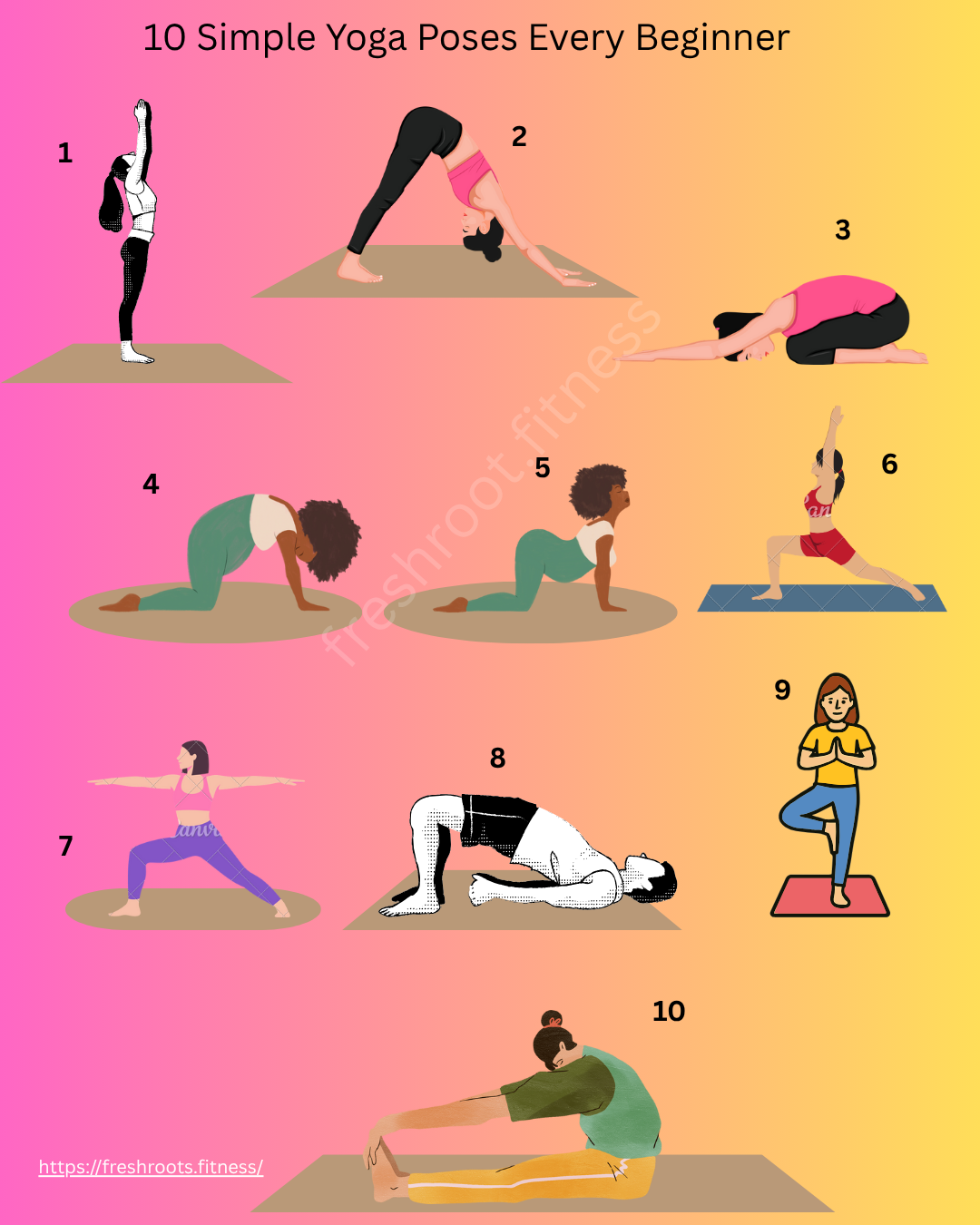
Yoga is a powerful way to connect with your body and mind. Whether you’re targeting flexibility, stress break, or universal fitness, yoga offers something for everyone. But if you’re new to it, the pure number of poses can feel awesome. That’s why we’re breaking it down for you – here are 10 simple yoga poses that every beginner should try. These aren’t just poses selected at random. They’re time-tested and verified by countless doctors to build strength, flexibility, and mindfulness without awesome you. Let’s dive into these yoga poses that will help you ease into your practice.
Why Many Beginners Struggle With Yoga
Many beginners struggle with yoga because they believe it’s all about flexibility or that they need to master advanced positions right away. This mindset can lead to frustration, hurt, or simply leaving before yoga’s benefits have a chance to set in. One common mistake is not focusing on the basics first.
Strangers often forget that yoga is a journey, and you don’t need to be able to turn yourself into a pretzel to get started. It’s about taking things slow, understanding your body, and rolling at your own pace.
Feeling Scared? You’re Not Alone!
You’re not alone if the idea of getting into yoga feels scary. Many first-timers feel out of place, especially if they’ve seen those hyper-flexible Instagram yogis doing gravity-defying poses. And guess what? You’re not required to do any of those in your first class!
According to a 2020 case study published in the International Journal of Yoga, one of the main reasons people license their yoga practice is due to an early sense of pressure. The data revealed that 65% of beginners felt they were out of place during their first session because they didn’t know the basic poses.
But here’s the good news for you – Mastering the basics helps you feel comfortable and confident. With that, let’s jump into 10 simple yoga poses every beginner should try.
Here are 10 Simple Yoga Poses Every Beginner Should Try
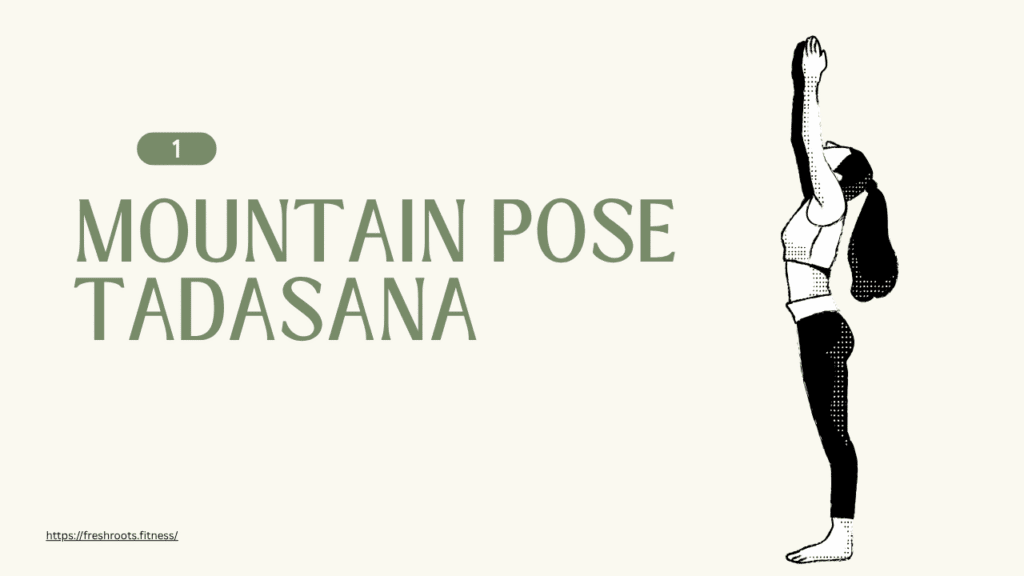
1. Mountain Pose (Tadasana)
Mountain Pose may look like just standing, but it’s an important posture that shows position. It strengthens your legs, improves posture, and sets the stage for more complex poses.
How to Do It:
- Stand tall with feet together.
- Allot your weight evenly through both feet.
- Involve your thighs and grow your spine.
- Reach your arms overhead or keep them by your side.
Why It’s Important for Beginners:
It teaches proper body position, which is the basis for all standing poses.
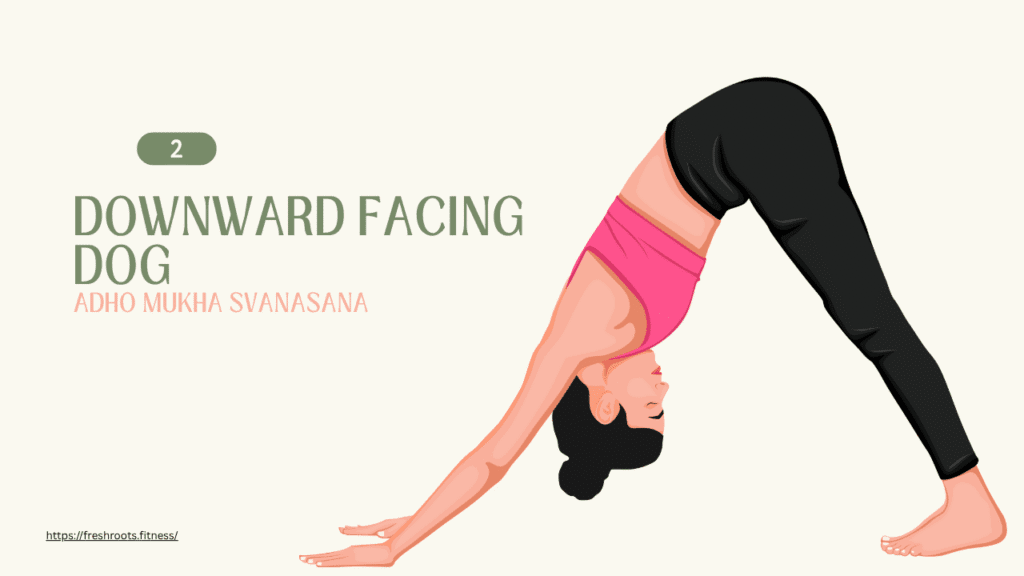
2. Downward Facing Dog (Adho Mukha Svanasana)
One of the most well-known yoga poses, the Downward Dog stretches your entire body while also strengthening your arms and legs.
How to Do It:
- Start on your hands and knees.
- Fold your toes, lift your hips, and press back.
- Keep your spine long and bend your knees a touch if needed.
Why It’s Important for Beginners:
This pose stretches multiple areas of the body, such as the hamstrings and shoulders, while building strength, making it a great warm-up for other poses.
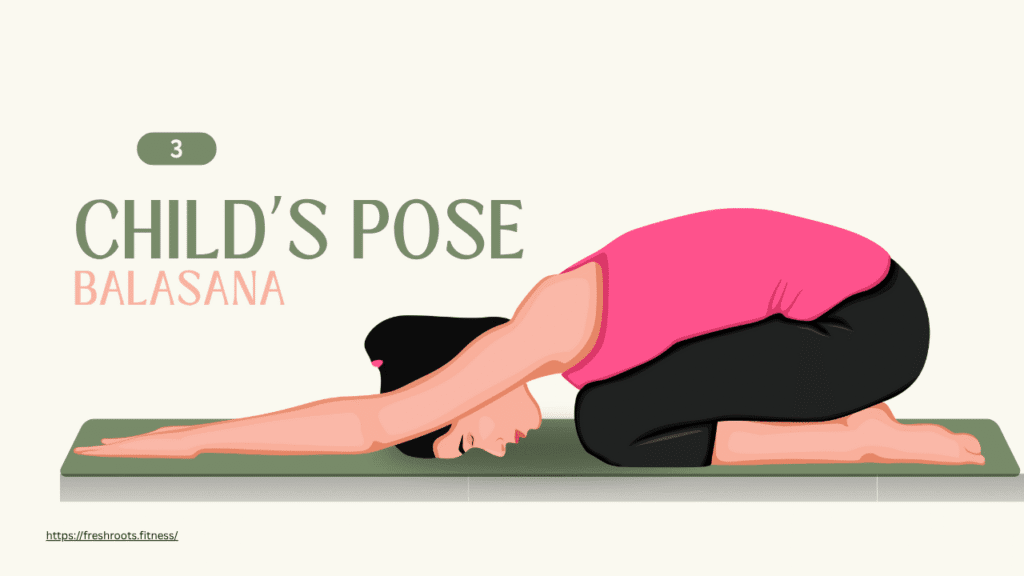
3. Child’s Pose (Balasana)
Child’s Pose is a relaxing posture that allows you to stretch your back, hips, and thighs gently. It’s often used as a break between more inspiring poses.
How to Do It:
- Kneel on the floor and sit back on your heels.
- Reach your arms forward or together with your body and rest your forehead on the mat.
Why It’s Important for Beginners:
It’s a great way to relax and reset physically and mentally, especially after more powerful poses.
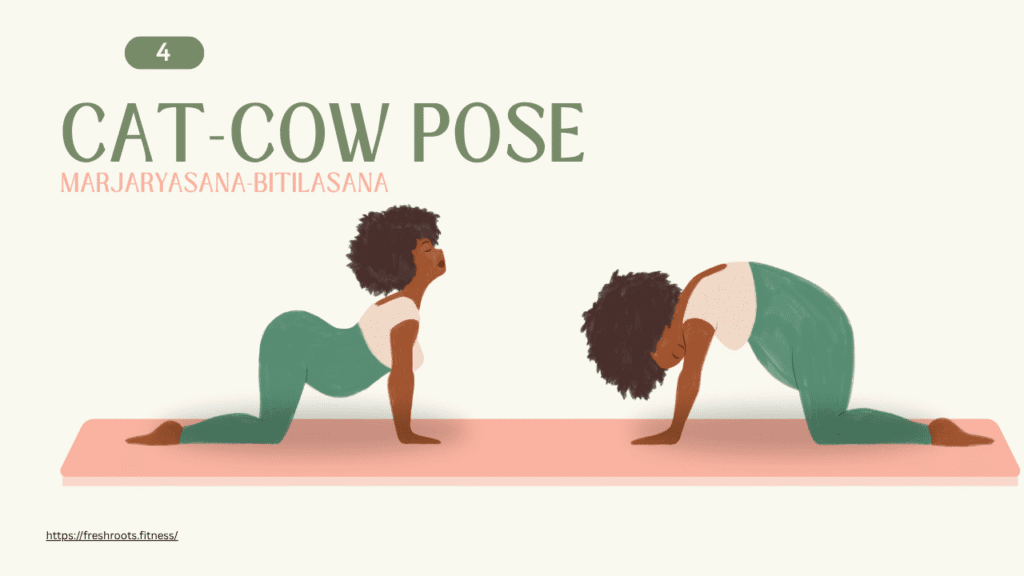
4. Cat-Cow Pose (Marjaryasana-Bitilasana)
This gentle flow between two poses warms up the spine and opens up the chest, improving flexibility in the back.
How to Do It:
- Start on your hands and knees.
- Inhale as you arch your back (Cow Pose) and exhale as you round it (Cat Pose).
- Flow between the two for numerous breaths.
Why It’s Important for Beginners:
It helps with spinal flexibility and also teaches coordination between breath and movement, which is key in yoga.
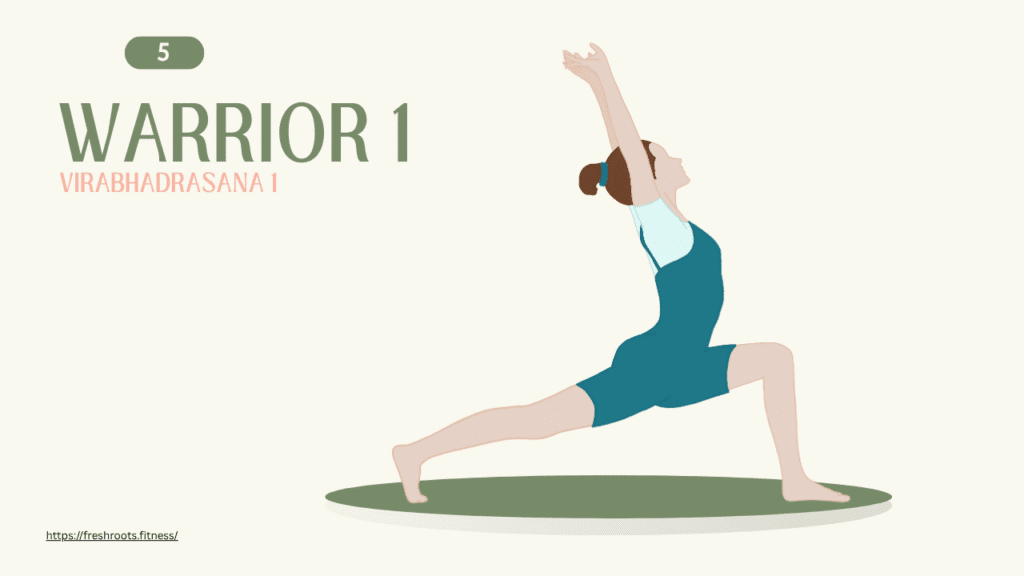
5. Warrior 1 (Virabhadrasana 1)
Warrior 1 is a standing pose that strengthens your legs and improves balance. It also opens up your chest and shoulders.
How to Do It:
- Step one foot forward and the other back.
- Bend your front knee and press into your back heel.
- Reach your arms overhead and square your hips to the front.
Why It’s Important for Beginners:
It’s great for building leg strength and balance, which are important in yoga.
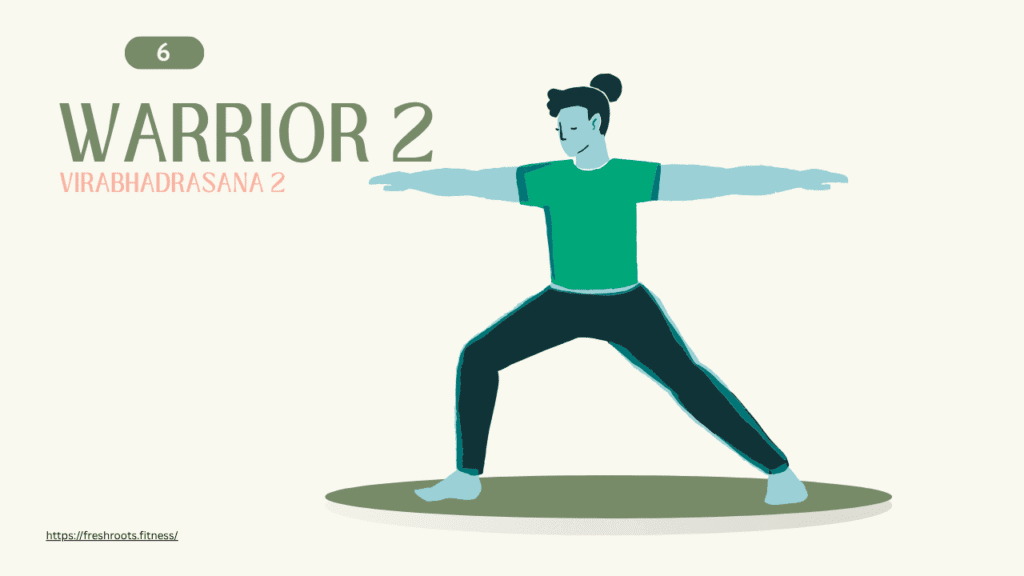
6. Warrior 2 (Virabhadrasana 2)
Warrior 2 is a powerful standing pose that works on your legs, shoulders, and stamina. It also progresses focus.
How to Do It:
- From a standing position, step one foot back.
- Bend your front knee and extend your arms toward the floor.
- Keep your eyes on the hand in front of you.
Why It’s Important for Beginners:
It’s outstanding for leg strength, balance, and attention.
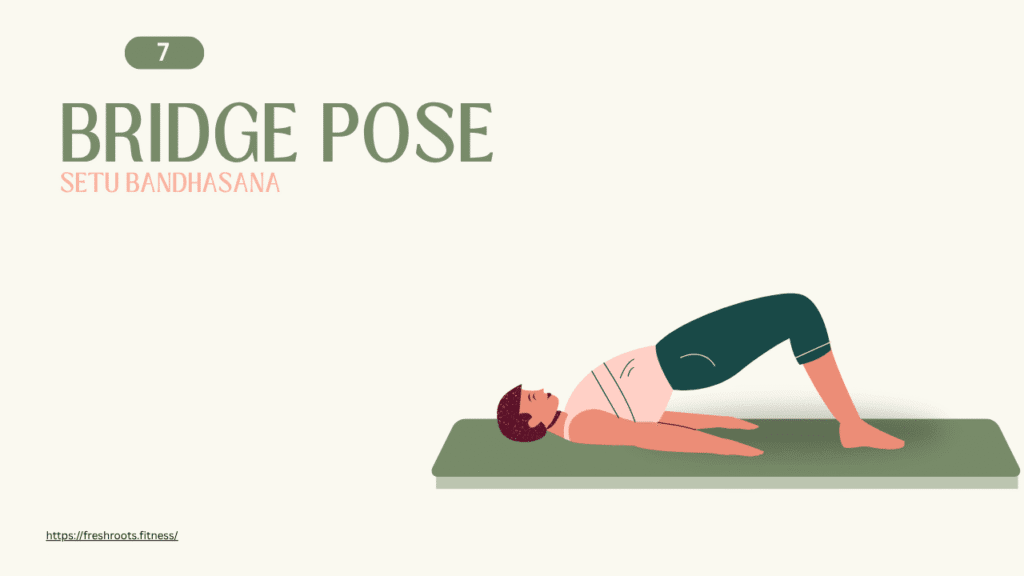
7. Bridge Pose (Setu Bandhasana)
Bridge Pose is a kind of backbend that strengthens the back, glutes, and cramps while opening up the chest and shoulders.
How to Do It:
- Lie on your back with your knees bent and feet flat on the floor.
- Press into your feet to lift your hips upward.
- Hook your hands under your back and roll your shoulders under.
Why It’s Important for Beginners:
It delivers a safe way to explore backbends while building strength in the lower body.
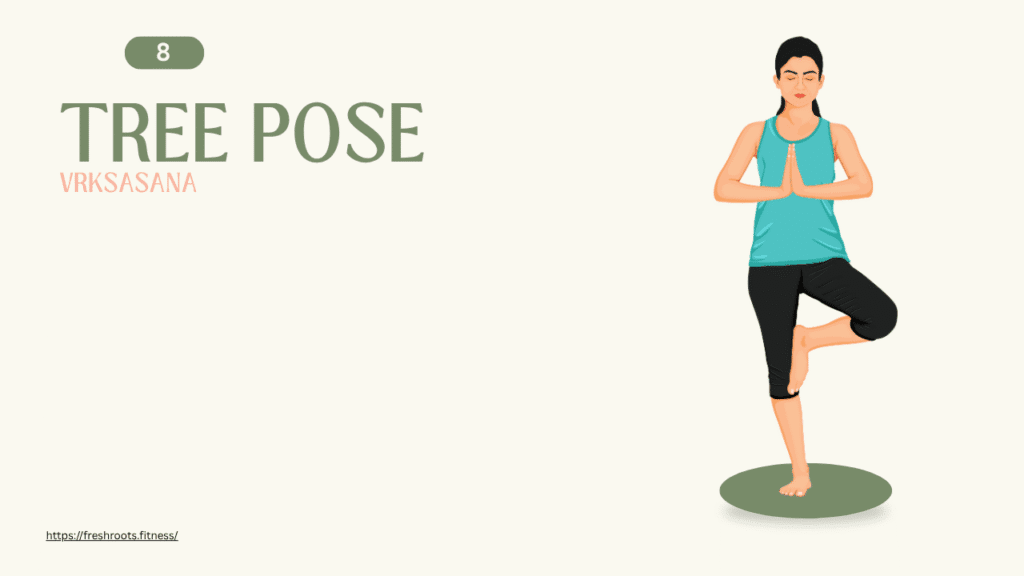
8. Tree Pose (Vrksasana)
Tree Pose is a balancing posture that helps improve focus and stability. It strengthens your legs while helping a sense of calm.
How to Do It:
- Stand on one leg, and take the opposite foot to your inner thigh.
- Bring your hands together at your chest or overhead.
Why It’s Important for Beginners:
It helps improve balance and attention, two important skills for any yoga practice.
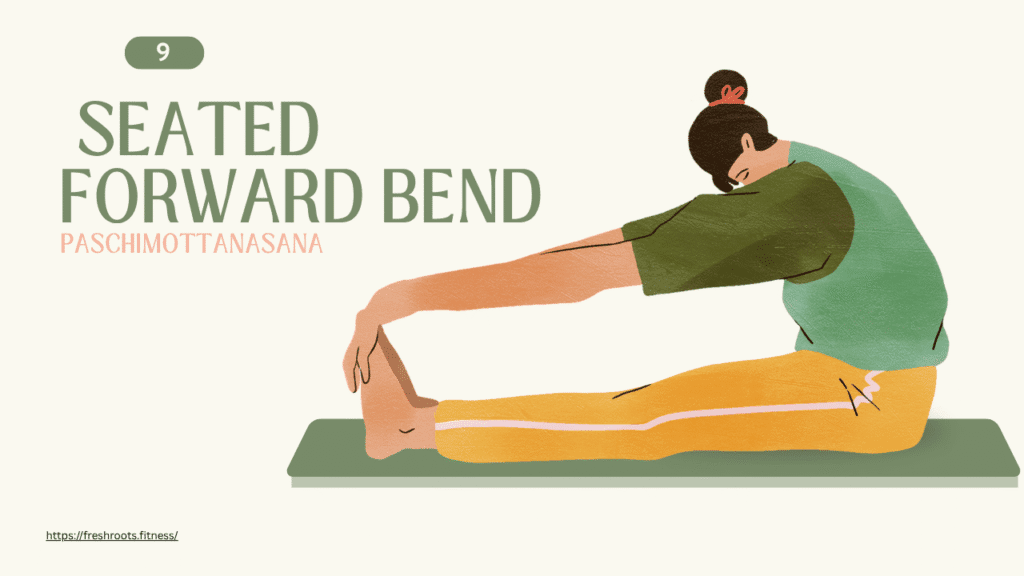
9. Seated Forward Bend (Paschimottanasana)
This pose stretches your hamstrings, spine, and lower back. It’s a great way to cool the mind and strengthen the back of your body.
How to Do It:
- Sit with your legs stretched in front of you.
- Inhale to lengthen your spine and breathe out to fold forward.
Why It’s Important for Beginners:
It’s a simple stretch that helps flexibility, especially for tight hamstrings and lower backs.
10. Corpse Pose (Savasana)
Savasana is a soothing pose that allows the body to relax fully. It’s often done at the end of a yoga session to engage the benefits of the practice.
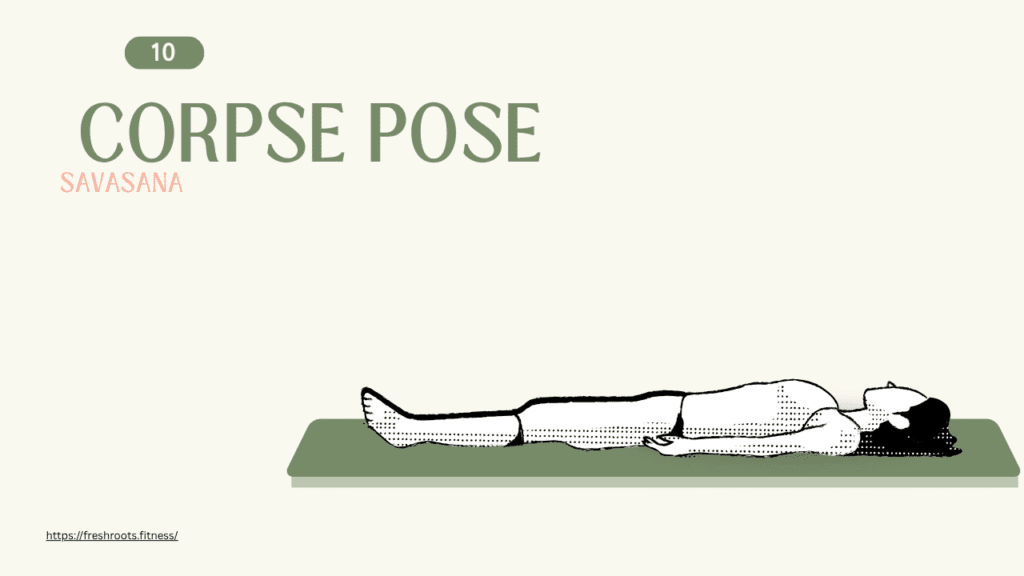
How to Do It:
- Lie flat on your back and keep your arms to the side.
- Close your eyes, breathe naturally, and allow your body to rest.
Why It’s Important for Beginners:
It teaches you to relax and tune into your breath, helping to decrease stress and clear the mind.
Conclusion
It’s not hard to start yoga. By focusing on these 10 simple poses, you can build a strong basis for a practice that will grow with you over time. Remember, yoga is about progress, not perfection. These beginner poses will help you gain confidence and expressively connect with your body.
The best part? You can start practising these poses at home, on your schedule, with minimal kit. All you need is a mat and a moment of motivation. Stick with these poses, and you’ll begin to notice progress in your strength, flexibility, and mental clarity. Ready to roll out your mat and give it a try?
Can also check- health
FAQs
1. How long should I hold each pose as a beginner?
Start by holding each pose for 15-30 seconds, slowly increasing the duration as you become more comfortable.
2. Do I need any kit for these beginner poses?
A yoga mat is helpful, but outside that, you don’t need any special kit. You can also use a towel or blanket for support if needed.
3. How frequently should I practice these poses?
The purpose is to practice 3-4 times a week for the best results, but even short, daily sessions will help build a strong basis.
4. Can I do yoga if I’m not flexible?
Absolutely! Yoga helps you become more flexible over time. You don’t need to be flexible to start.
5. Is it normal to feel pain after yoga?
Yes, it’s common to feel a bit of pain, especially when you’re just starting. Listen to your body and give yourself time to recover.

- How to Reduce Cholesterol Naturally With Simple Food Habits - July 4, 2026
- Early Signs of High Blood Sugar Most People Miss Daily - June 25, 2026
- How to Boost Immunity Naturally: Simple Daily Habits - June 23, 2026