Diet trends come and go, but one well-being food staple that has remained well-known over a long time is chia seeds. Known for their amazing nutritional profile and flexibility, chia seeds are a capable food choice for those looking to improve in health, particularly within the weight loss community. But, reasonably, did chia seeds help in dieting? Do these minor seeds contribute to weight loss, or is it a fair buildup? Let’s jump into the science behind chia seeds, exploring why they’re considered supportive for dieting and whether they can make a difference in your weight loss journey.
The Challenge of Sustainable Weight Loss
In today’s fast-paced world, losing weight reasonably may be a real challenge. Many become bouncing from one prevailing fashion diet to another as if to recapture weight long after. With so many items and programs promising quick weight loss, it’s easy to get frustrated. Successful weight loss requires a balanced approach incorporating nutrient-dense foods, physical activity, and long-term commitment. The challenge for most of us is finding foods that help control hunger and give basic supplements without overpowering the calorie budget. Here is where the humble chia seed enters the discussion.
The Struggle with Constant Hunger and Energy Crashes
One of the greatest obstacles to dieting is managing consistent hunger throbs and low energy levels, particularly on a calorie-restricted diet. Low-energy foods that need fiber, protein, and healthy fats frequently make us feel unsatisfied. This need for satiety makes it challenging to avoid unhealthy snacks or overeating afterward within the day.
Many dieters discover themselves in a cycle of desires and crashes, which can disrupt advancement. This cycle can lead to dissatisfaction and, eventually, a feeling of defeat. Individuals trying to find natural ways to control hunger frequently turn to foods like chia seeds, claiming they keep them feeling full and energized longer than other diet options. But can chia seeds make a difference?
How Chia Seeds Can Potentially Support Your Dieting Goals
1. The Nutritional Powerhouse in Tiny Seeds
Chia seeds may be small, but they’re nutrient-dense. A fair one ounce (around 28 grams) contains around:-
- Fiber: 11 grams
- Protein: 4 grams
- Fat: 9 grams (with 5 grams being omega-3 fatty acids)
- Calcium, magnesium, and phosphorus
Chia seeds’ impressive fiber content is one reason they are touted for weight loss. Foods high in fiber tend to extend feelings of satisfaction, which can help control hunger and avoid overeating.
2. Fiber for Fullness and Appetite Control
Fiber plays a major part in digestion and satiety, which is why it’s vital for those who are dieting. Chia seeds contain soluble fiber, which grows when it retains water, making a gel-like substance within the stomach. This not only slows digestion but also advances a feeling of totality.
In a study published in the European Journal of Clinical Nutrition, analysts found that high-fiber foods can successfully reduce hunger and energy intake at subsequent meals. This may be especially useful for overseeing portions and keeping up a calorie deficit. Including chia seeds in dinners can help reduce hunger and give a longer-lasting feeling of satiety, making it simpler to stick to dieting goals without consistent snacking.
3. High Protein Content to Curb Cravings
Protein is known to be the most filling macronutrient. Even though chia seeds are essentially known for their fiber content, they also offer a great source of plant-based protein. Protein reduces cravings by influencing the generation of hunger hormones, making it essential for those trying to lose weight.
A study by the American Journal of Clinical Nutrition found that protein increases sentiments of totality and helps in controlling food intake all through the day. By including chia seeds in a smoothie, yogurt, or cereal, you include both protein and fiber, helping to control hunger and possibly leading to fewer cravings. (desires)
4. Omega-3 Fatty Acids for Metabolism Support
Chia seeds are one of the finest plant sources of omega-3 fatty acids, particularly alpha-linolenic acid (ALA). Omega-3s have been studied for their potential effect on the metabolism (digestive system) and fat burning. While the impacts of omega-3s on weight loss aren’t as quick or direct as the fiber benefits, they contribute to an overall sound diet, possibly supporting the metabolism (digestive system) in the long term.
Examining the Evidence: Do Chia Seeds Support Weight Loss?
1. Case Study: Chia Seeds and Weight Loss Trials
Research on chia seeds and weight loss is progressing, but a few outstanding studies provide experiences. In a study published in Nutrition Research, overweight adults were given either chia seeds or a placebo before dinners for 12 weeks. The results? Those who consumed chia seeds experienced a greater decrease in body weight and waist circumference than those who didn’t.
However, not all studies agree. Another study by the Appetite Journal found that chia seeds alone did not produce significant weight loss but did positively impact appetite and reduce calorie intake. This suggests that while chia seeds can be a helpful dietary tool, they aren’t a magic bullet for weight loss.
2. Incorporating Chia Seeds in a Balanced Diet
In addition to studies, recounted evidence from people who have successfully lost weight with chia seeds appears to be a common design: They didn’t depend solely on chia seeds but utilized them as a part of a balanced diet. When consolidated with other sound foods and an active way of life, chia seeds can help make dieting sensible and enjoyable.
Practical Ways to Use Chia Seeds in Your Diet
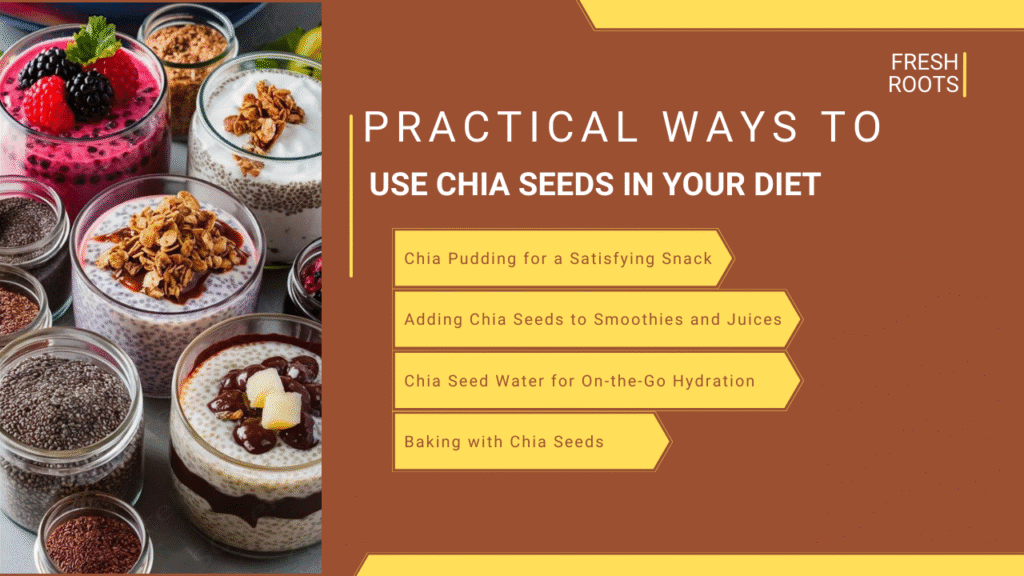
1. Chia Pudding for a Satisfying Snack
A well-known way to enjoy chia seeds is through chia pudding. Simply blend 1-2 tablespoons of chia seeds with a glass of milk (or plant-based drink) and let it sit for a couple of hours or overnight. The seeds extend and shape a gel, making a thick, pudding-like consistency that’s both filling and delicious.
2. Adding Chia Seeds to Smoothies and Juices
For a quick nutritional boost, try to include a tablespoon of chia seeds in your smoothie. The seeds mix well with fruit and greens, including both fiber and protein, without changing the flavor significantly.
3. Chia Seed Water for On-the-Go Hydration
Blending chia seeds in water makes a normal energy drink. Usually not only refreshes but also helps with cravings between meals. Many people find that drinking water before a feast helps them avoid overeating.
4. Baking with Chia Seeds
You can include chia seeds in baked goods like biscuits, bread, and cookies. While this might not be perfect for low-calorie diets, including chia seeds in whole-grain options can make treats more fulfilling and reduce the desire for processed snacks.
The Hidden Benefits of Fibermaxxing
Realistic Expectations: Are Chia Seeds Enough for Weight Loss?
While chia seeds give various well-being benefits, it’s important to have reasonable expectations. Simply including chia seeds in your diet won’t lead to exceptional weight loss that results overnight. Like most high-fiber foods, they work best when combined with a balanced, calorie-controlled diet and normal physical activity. Utilizing chia seeds to curb cravings and boost fiber intake can certainly be helpful, but they’re one component of a comprehensive weight-loss plan.
Conclusion
So, did chia seeds help in dieting? In brief, chia seeds can support your dieting goals, basically by improving satiety, controlling cravings, and adding vital nutrients to your meals. They’re a useful tool for those looking for weight loss, but ought to be seen as part of a general strategy, not a standalone solution. With a normal workout, a nutrient-dense diet, and careful eating, chia seeds can certainly be a profitable ally on the road to sustainable weight loss.
According to Healthline- How to Use Chia Seeds For Weight Loss
FAQs
1. How regularly should I eat chia seeds for weight loss?
Including chia seeds 1-2 times per day, like in a morning smoothie and as part of a snack or meal later, can help promote satiety and reduce unnecessary snacking.
2. Are there any side effects to eating too many chia seeds?
Yes, due to their high fiber content, too many chia seeds can cause bloating, gas, or digestive discomfort. Begin with little sums and increase as your body alters.
3. Can chia seeds be included in hot meals?
Absolutely! Chia seeds can be included in oatmeal, soups, and sauces. Be sure that they’ll retain liquid and thicken, which can alter the surface of your meal.
4. What’s the best time to consume chia seeds for weight loss?
Chia seeds can be helpful in the morning to curb hunger all through the day or as a snack to avoid overeating at dinner.
5. Do chia seeds interact with any medications?
Chia seeds are generally safe, but in case you’re on blood pressure or blood-thinning medications, consult your doctor, as chia seeds contain omega-3s, which can have mild blood-thinning impacts.

- How to Reduce Cholesterol Naturally With Simple Food Habits - July 4, 2026
- Early Signs of High Blood Sugar Most People Miss Daily - June 25, 2026
- How to Boost Immunity Naturally: Simple Daily Habits - June 23, 2026