With so many diet plans promising fast results, weight loss can feel confusing and overwhelming. From low-carb diets to fasting trends, everyone claims to have the best solution. However, the truth is simple- there is no one-size-fits-all diet.
The most effective diet plan for weight loss is one that is balanced, realistic, sustainable and tailored to your lifestyle. In this guide, we’ll break down the most popular diet plans, explain how they work and help you decide which one may suit you best.
5 Best Diet Plans You Should Try
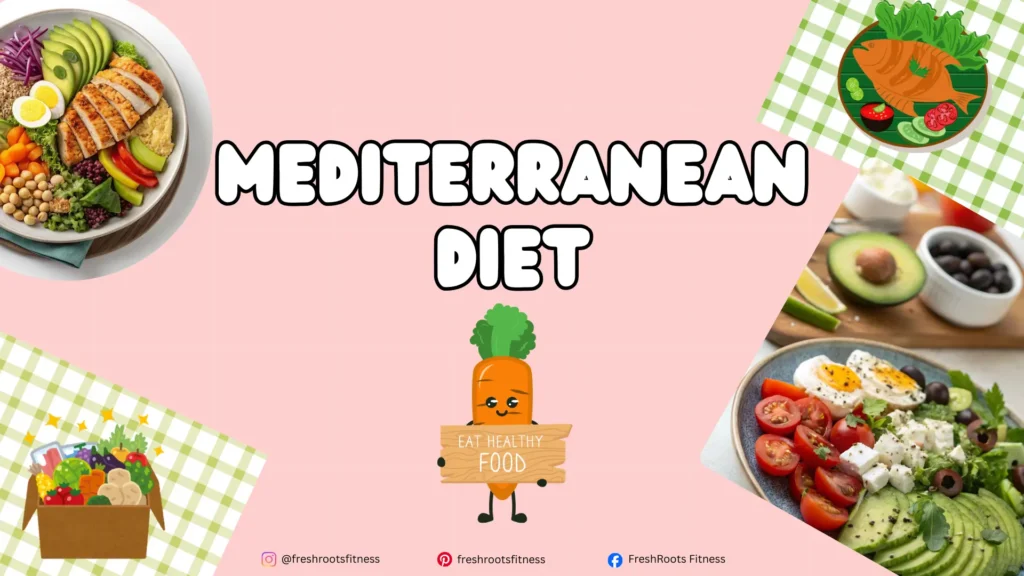
1. Mediterranean Diet
The Mediterranean diet focuses on whole, natural foods such as
- Fruits and vegetables
- Whole grains
- Olive oil
- Fish and seafood
- Nuts and seeds
Benefits
- Supports heart health
- Reduces inflammation
- Encourages steady, long-term weight loss
Why It Works
This diet is low in processed foods and rich in nutrients, making it easy to follow and sustainable.
2. Low-Carb Diet (Keto / Atkins)
Low-carb diets reduce carbohydrate intake and increase fats, pushing the body to burn fat for energy.
Benefits
- Rapid weight loss (especially early on)
- Reduced appetite
- Improved insulin sensitivity
Considerations
- Difficult to maintain long-term
- May cause nutrient deficiencies if not planned well
3. Intermittent Fasting (IF)
Intermittent fasting focuses on when you eat rather than what you eat.
Popular methods include
- 16:8 (16 hours fasting, 8 hours eating)
- 5:2 (normal eating for 5 days, reduced calories for 2 days)
Benefits
- Improves metabolism
- Supports fat burning
- Helps control calorie intake
Why It Works
Fasting allows the body to use stored fat for energy.
4. Plant-Based Diet
A plant-based diet limits or eliminates animal products and emphasizes whole plant foods.
Benefits
- High in fiber
- Low in calories
- Improves digestion
- Supports long-term weight loss
Why It Works
Whole plant foods are naturally nutrient-dense and filling.
Related Topics You Should Try and Read
Top 10 Supplements For Weight Loss
Boost Your Energy- Best Vitamins For Tiredness
Chia Seeds Help In Dieting
Unlock the Hidden Benefits of Fibermaxxing
5. Portion-Controlled Diet
This approach allows all foods but focuses on eating smaller portions within calorie limits.
Benefits
- Promotes mindful eating
- Builds awareness of food habits
- Easy to adapt socially
Why It Works
It prevents overeating while allowing flexibility.
How to Choose the Right Diet for You
- Analyze your lifestyle: Choose what fits your daily routine
- Focus on sustainability: Avoid extreme diets
- Honor your preferences: Enjoyable food prevents cravings
- Seek professional guidance: A dietitian can personalize your plan
Tips for Successful Weight Loss (No Matter the Diet)
- Stay consistent
- Drink enough water
- Include basic physical activity
- Track progress realistically
- Prioritize quality sleep
The Mayo Clinic Diet: A weight-loss program for life
Conclusion
The best diet for weight loss is the one you can stick to without stress.
Whether it’s Mediterranean, low-carb, intermittent fasting or portion control, consistency matters more than perfection. Focus on health, habits and balance – not just the number on the scale.
FAQs
Q1. Which diet works fastest for weight loss?
Low-carb and intermittent fasting often show quick results, but sustainability varies.
Q2. Can I lose weight without exercising?
Yes, but combining diet with activity gives better long-term results.
Q3. Are low-carb diets safe?
They can be safe short term, but medical guidance is recommended.
Q4. Is intermittent fasting safe for everyone?
Not for pregnant women, diabetics or people with eating disorders.
Q5. Is skipping meals a good idea?
Random skipping is unhealthy; structured fasting is safer.
Q6. How long does it take to see weight loss results?
Most people notice changes within 2-4 weeks.
Q7. Which diet is best for beginners?
Mediterranean or portion-controlled diets are beginner-friendly.
Q8. Can plant-based diets provide enough protein?
Yes, with foods like lentils, beans, tofu and nuts.
Q9. Do crash diets work?
They cause temporary loss and often lead to weight regain.
Q10. Is calorie counting necessary?
Not always, but it helps beginners understand portions.
Q11. Can I switch diets if one doesn’t work?
Absolutely. Flexibility improves long-term success.
Q12. What is the healthiest way to lose weight?
Slow, steady weight loss with balanced nutrition and consistency.

- How to Reduce Cholesterol Naturally With Simple Food Habits - July 4, 2026
- Early Signs of High Blood Sugar Most People Miss Daily - June 25, 2026
- How to Boost Immunity Naturally: Simple Daily Habits - June 23, 2026