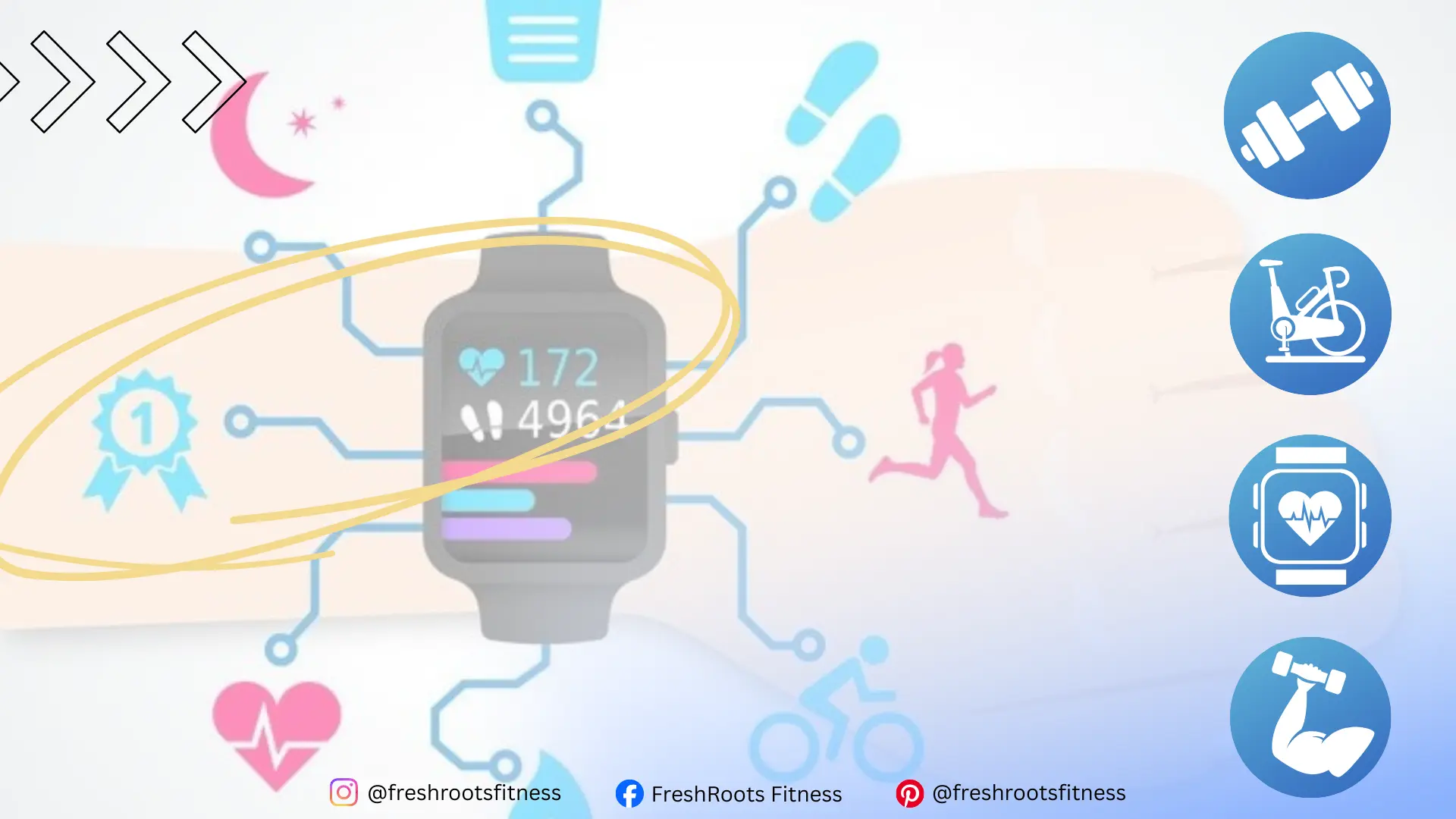
Health tracking is no longer limited to clinics or gyms. Today, people can monitor their daily activity, sleep, heart rate and even stress levels directly from their wrist. This shift is largely driven by wearable fitness technology, which has become a powerful tool for everyday wellness.
From smartwatches to fitness bands, these devices are changing how people understand their bodies. Many users report that wearing a fitness tracker helps them stay more aware of their habits and motivates them to move regularly. As technology improves, wearable devices are becoming smarter, more accurate and easier to use.
Let’s explore how wearable fitness technology is transforming health and why it continues to grow globally.
Why Wearable Fitness Technology Is Gaining Popularity
Several lifestyle changes have increased the demand for wearable devices:
- Busy schedules that limit time for regular checkups
- Growing interest in preventive health
- Increased focus on fitness and mental wellness
- Easy access to smartphones and digital apps
Experts believe that real-time feedback plays a key role in helping people make healthier daily choices.
How Wearable Fitness Technology Works
Wearable devices use sensors to collect data such as movement, heart rate and sleep patterns. This data is then analyzed to provide insights through connected apps.
Common sensors track:
- Steps and physical activity
- Heart rate and activity intensity
- Sleep duration and quality
- Stress or recovery indicators
Research suggests that consistent tracking can support better awareness of lifestyle patterns, especially when users review data regularly.
Key Wearable Fitness Technology Trends Shaping Health
1. Activity and Movement Tracking
One of the most common uses of wearable fitness technology is tracking daily movement. Devices count steps, distance and active minutes, helping users understand how active they really are.
Many people notice that seeing daily movement data encourages them to walk more or reduce long periods of inactivity.
2. Heart Rate Monitoring and Fitness Awareness
Modern wearables continuously monitor heart rate throughout the day. This helps users understand:
- Resting heart rate trends
- Exercise intensity
- Recovery patterns
Studies indicate that heart rate awareness may support safer workout routines when combined with proper guidance.
3. Sleep Tracking and Recovery Insights
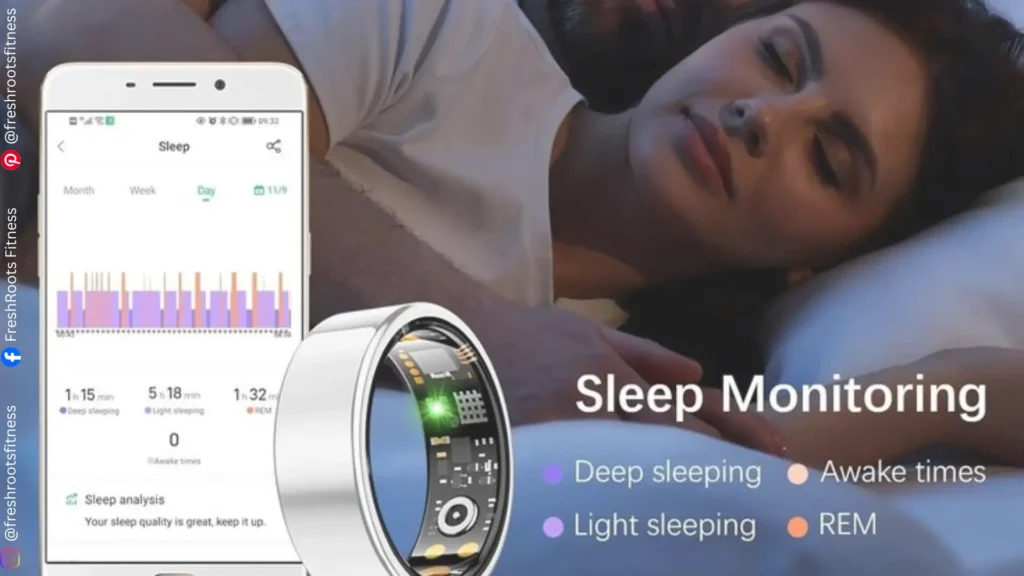
Sleep plays a major role in overall health. Wearable devices now track sleep duration, sleep stages and disturbances.
This wearable fitness technology trend helps users:
- Identify poor sleep habits
- Adjust bedtime routines
- Improve recovery from daily stress
Many users report gradual improvements in sleep quality after making small changes based on insights.
4. Stress and Wellness Monitoring
Some smart devices estimate stress levels using heart rate variability and activity data. While not a medical diagnosis, these insights help users recognize patterns.
Common wellness features include:
- Breathing exercises
- Relaxation reminders
- Mindfulness prompts
Experts believe these features can support emotional balance when practiced consistently.
5. Personalized Fitness Goals
Wearable fitness technology now adapts goals based on individual activity levels rather than fixed targets.
Personalization may include:
- Adjustable daily step goals
- Activity recommendations
- Rest day reminders
This approach helps users avoid overexertion and supports long-term consistency.
6. Integration with Health and Fitness Apps
Wearable devices often sync with nutrition, workout and wellness apps. This creates a complete view of daily habits.
Benefits include:
- Centralized health data
- Better progress tracking
- Easier habit analysis
Many users feel more in control of their health when all data is available in one place.
7. Early Awareness and Preventive Health Support
While wearable fitness technology does not replace medical care, it may help users notice unusual patterns early.
This trend supports:
- Awareness of activity changes
- Monitoring recovery and fatigue
- Encouraging timely professional consultation
Experts emphasize that wearables should be seen as supportive tools, not diagnostic devices.
These Articles You Should Read
AI in Fitness and Health
How to Stay Young
5 Best Exercises for Stress Relief
10 Natural Ways to Improve Sleep Quality
10 Best Ways to Reduce Stress Naturally
Benefits and Limitations of Wearable Fitness Technology
Benefits
- Encourages active lifestyles
- Improves health awareness
- Supports habit consistency
- Provides personalized insights
Limitations
- Accuracy may vary between devices
- Data can be misinterpreted
- Not a substitute for medical advice
Experts recommend using wearable data as guidance rather than absolute conclusions.
Future of Wearable Fitness Technology
The future of wearable fitness technology looks focused on simplicity and deeper personalization. Devices are expected to become more comfortable, energy-efficient and user-friendly.
Experts believe future wearables may focus more on:
- Mental well-being tracking
- Preventive lifestyle insights
- Better data clarity for users
As technology evolves, the goal remains to support healthier daily habits without overwhelming users.
Conclusion
Wearable devices have transformed how people engage with their health. From tracking steps to improving sleep awareness, wearable fitness technology helps users understand their bodies better and stay consistent with wellness goals.
By ideafit.com- Wearable Fit Tech
When used mindfully, these devices can support healthier lifestyles by promoting awareness, balance and preventive care.
FAQs
-
What is wearable fitness technology?
It refers to smart devices like fitness bands and smartwatches that track physical activity, sleep and wellness data.
-
Are wearable fitness devices accurate?
They provide useful estimates, but accuracy can vary. They should not replace professional medical tools.
-
Can wearables help improve fitness habits?
Many people report better consistency and motivation when tracking daily activity.
-
Do I need a smartphone to use wearable devices?
Most wearables work best with smartphones, but basic features may work independently.
-
Is wearable fitness technology safe for daily use?
Yes, when used responsibly and without over-reliance on data.

- How to Reduce Cholesterol Naturally With Simple Food Habits - July 4, 2026
- Early Signs of High Blood Sugar Most People Miss Daily - June 25, 2026
- How to Boost Immunity Naturally: Simple Daily Habits - June 23, 2026