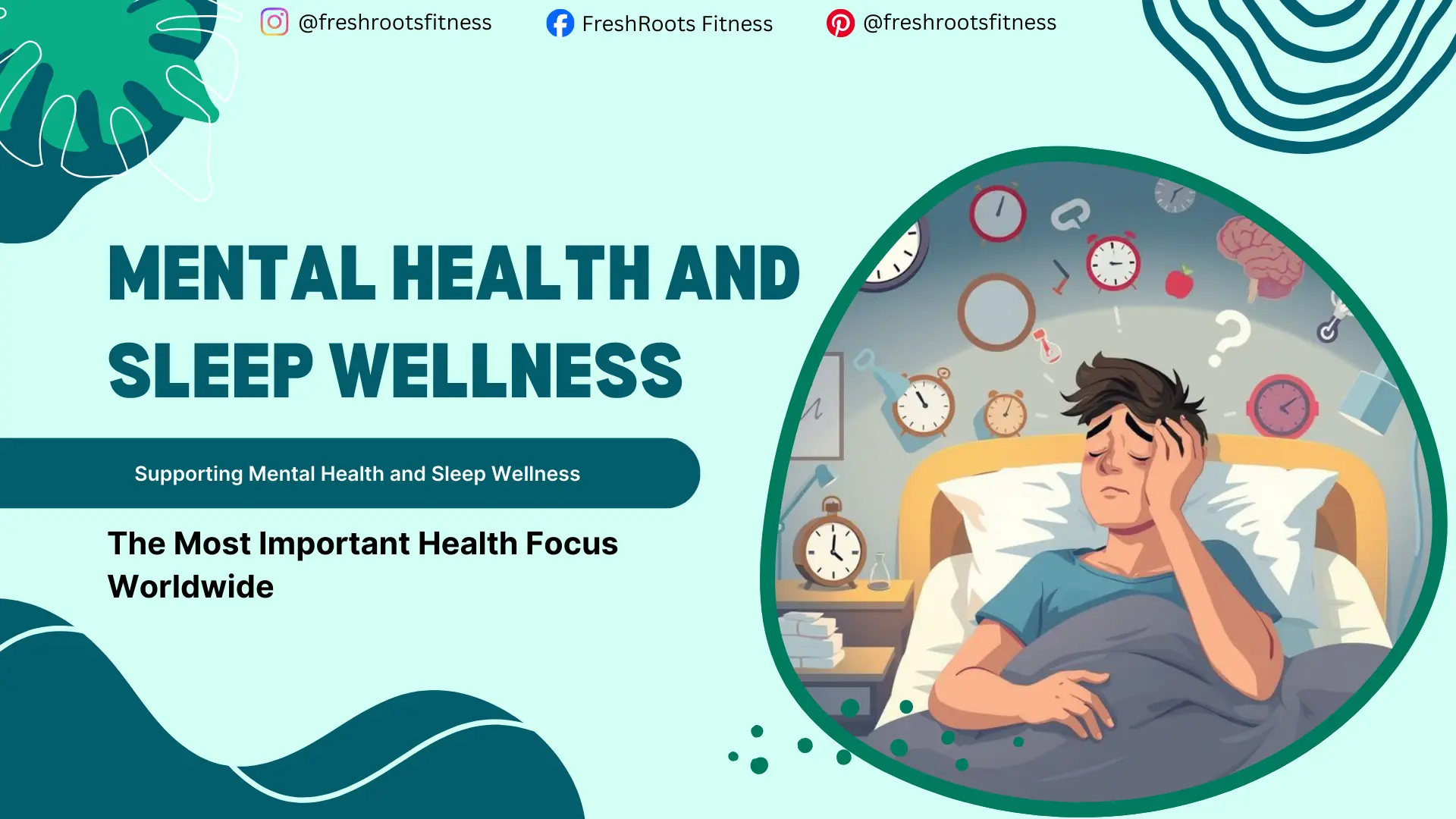
In today’s fast-paced world, people are becoming increasingly aware that good health encompasses more than just diet and exercise. Emotional balance and quality sleep are now seen as the foundation of overall well-being. This is why mental health and sleep wellness have become one of the most important health priorities worldwide.
Across different countries and cultures, individuals are talking more openly about stress, anxiety, burnout and sleep problems. Many people report that poor sleep directly affects their mood, focus and daily energy. Experts believe that mental health and sleep are deeply connected and must be addressed together.
Let’s explore why this health focus matters so much and how simple lifestyle habits can support both mind and rest.
Why Mental Health and Sleep Wellness Matter More Than Ever
Modern lifestyles come with constant notifications, long work hours and reduced downtime. These factors often disturb natural sleep patterns and increase mental strain.
Key reasons this focus is growing include:
- Rising stress and work-related pressure
- Increased screen time and digital exposure
- Irregular sleep schedules
- Limited time for relaxation and self-care
Research suggests that long-term sleep disruption may negatively affect emotional regulation and mental clarity. This makes mental health and sleep wellness a shared concern, not separate issues.
The Strong Connection Between Sleep and Mental Health
Sleep and mental well-being have a profound influence on each other. Poor sleep can increase emotional sensitivity, while mental stress can make it harder to sleep.
Experts believe this connection works in two directions:
- Lack of sleep may increase feelings of anxiety or low mood
- Ongoing mental stress may disrupt sleep quality and duration
Studies indicate that improving sleep habits often supports better emotional balance, focus and stress management over time.
How Mental Health and Sleep Wellness Affect Daily Life
When sleep and mental health are balanced, people often experience:
- Better concentration and decision-making
- Improved emotional control
- More stable energy levels
- Better social interactions
On the other hand, imbalance may lead to irritability, fatigue and reduced motivation. Many people report that even small improvements in sleep can positively influence their mood within weeks.
Global Trends Supporting Mental Health and Sleep Wellness
1. Sleep Awareness and Routine Building
One of the key trends in mental health and sleep wellness is understanding the importance of a consistent sleep routine.
Common practices include:
- Going to bed and waking up at the same time
- Reducing screen exposure before sleep
- Creating a calm bedtime environment
This approach is often recommended in traditional practice as a natural way to support better rest.
2. Mindfulness and Stress Reduction Practices
Mindfulness is widely used to support both mental health and sleep wellness. Techniques such as meditation, breathing exercises and relaxation routines are gaining popularity.
Research suggests that calming the mind before bedtime may help improve sleep onset and overall sleep quality.
3. Digital Tools for Mental and Sleep Support
Sleep-tracking apps and mental wellness platforms are becoming common. These tools help users:
- Track sleep patterns
- Identify stress triggers
- Practice guided relaxation
Many users notice improvement within a few weeks when these tools are used consistently without pressure.
4. Workplace Focus on Mental Well-Being
Globally, organizations are beginning to recognize the importance of mental health and sleep wellness at work.
Supportive changes include:
- Flexible work hours
- Encouraging regular breaks
- Promoting work-life balance
Experts believe that such environments may reduce burnout and support healthier sleep patterns.
5. Lifestyle-Based Wellness Approaches
Instead of extreme solutions, people are focusing on lifestyle habits such as:
- Regular physical activity
- Balanced nutrition
- Reduced caffeine intake in the evening
These habits support the body’s natural sleep-wake cycle and emotional balance.
These Articles You Should Read
How to Stay Young
AI in Fitness and Health
7 Reasons Why Yoga Is Good for Mental Health
7 Best Evening Meditations for Deep Sleep
How Smart Devices Are Transforming Health
Simple Habits to Support Mental Health and Sleep Wellness
You don’t need major changes to see benefits. Small, consistent steps often make the biggest difference.
Helpful habits include:
- Keeping a fixed bedtime routine
- Spending time in natural daylight
- Practicing slow breathing before sleep
- Limiting heavy meals late at night
Many people report feeling calmer and more rested after adopting even two or three of these habits.
What Experts Say About Long-Term Balance
Experts believe that mental health and sleep wellness should be treated as daily priorities, not occasional fixes. Sustainable habits are more effective than quick solutions.
Research suggests that long-term consistency plays a key role in maintaining emotional stability and healthy sleep patterns. This is why gradual lifestyle changes are often encouraged.
This article written by the Sleep Foundation- Mental Health and Sleep
Conclusion
Mental well-being and sleep quality are no longer optional aspects of health they are essential. The global focus on mental health and sleep wellness reflects a growing understanding that the mind and body need rest, balance and care to function well.
By prioritizing healthy sleep habits and emotional well-being, individuals can support better energy, focus and overall quality of life. The key lies in awareness, consistency and realistic daily routines.
FAQs
What is mental health and sleep wellness?
It refers to the balanced care of emotional well-being and healthy sleep habits to support overall health.
How does sleep affect mental health?
Poor sleep may increase stress and emotional sensitivity, while good sleep often supports mood stability and focus.
How many hours of sleep are generally recommended?
Many experts suggest 7-9 hours for adults, but individual needs may vary.
Can improving sleep help reduce stress?
Some users notice reduced stress and better emotional balance after improving sleep routines.
Should mental health and sleep issues be treated together?
Experts believe addressing both together often leads to better long-term results.

- How to Reduce Cholesterol Naturally With Simple Food Habits - July 4, 2026
- Early Signs of High Blood Sugar Most People Miss Daily - June 25, 2026
- How to Boost Immunity Naturally: Simple Daily Habits - June 23, 2026