When most people hear “calcium deficiency,” they picture weak bones and leave it at that. Maybe they drink an extra glass of milk and move on. But what if the muscle cramps that keep waking you up at night are connected to calcium? What about the numbness in your fingers, the anxiety that won’t settle, the brain fog that makes simple tasks feel harder than they should?
Calcium is far more than a bone mineral. It plays an active role in muscle function, nerve transmission, heart rhythm, blood clotting and hormonal balance. When your body doesn’t get enough or can’t absorb what it gets, the effects ripple across multiple systems in ways that look nothing like a bone problem.
Calcium deficiency symptoms in adults are commonly overlooked because they’re subtle in the early stages and easy to attribute to other causes. Stress gets blamed. Age gets blamed. A poor night’s sleep gets blamed. And all the while, the actual issue, low calcium, quietly continues.
This guide goes well beyond the usual bone density conversation. It breaks down every major sign of calcium deficiency in adults, what drives it and what you can do to genuinely restore your levels and feel the difference.
What Calcium Deficiency Symptoms in Adults
Most people are surprised to learn just how many roles calcium plays in the body beyond skeletal health.
About 99% of the body’s calcium is stored in bones and teeth, which most people know. But the remaining 1% circulating in the blood and soft tissues is the calcium that keeps your heart beating in a regular rhythm, your muscles contracting and relaxing properly, your nerve signals transmitting accurately and your blood clotting when you need it to.
When blood calcium drops below the normal range, a condition called hypocalcemia, the body responds by pulling calcium out of the bones to maintain those vital functions. This is why severe calcium deficiency affects bones over time. But the symptoms that appear first are often muscle and nerve-related, not skeletal.
Calcium deficiency symptoms in adults often develop gradually and many people live with early-stage deficiency for months without connecting the dots. Research suggests that a large portion of adults worldwide consume less calcium than recommended and absorption decreases with age, making the gap between intake and need even wider in older adults.
What Causes Calcium Deficiency in Adults
Calcium deficiency rarely has a single cause. In most adults, it develops from a combination of the following.
Insufficient Dietary Intake
The most direct cause. Adults need between 1,000 and 1,200mg of calcium per day, depending on age and sex. Dairy products are the most well-known source, but many adults, particularly those who are lactose intolerant, vegan or simply avoiding dairy, fall significantly short of this target without realizing it.
Plant-based calcium sources exist in abundance: tofu set with calcium, fortified plant milks, almonds, bok choy, kale and broccoli, but they require deliberate dietary planning to meet daily requirements consistently.
Vitamin D Deficiency
This is one of the most overlooked drivers of calcium deficiency. Vitamin D is essential for calcium absorption in the small intestine. Without adequate vitamin D, the body absorbs as little as 10-15% of the calcium you consume, compared to 30-40% with sufficient vitamin D. Many adults are vitamin D deficient, particularly those in northern climates or who spend most of their time indoors, which means their calcium intake, even when adequate, is effectively being wasted.
Age-Related Absorption Decline
As adults age, several factors reduce how efficiently calcium is absorbed. Stomach acid production decreases, which is needed to release calcium from food. Kidney function changes affect calcium regulation. Women going through menopause experience a sharp drop in estrogen, a hormone that directly supports calcium absorption and bone density. Post-menopausal women are among the highest-risk groups for calcium deficiency.
Certain Medications and Medical Conditions
Long-term use of corticosteroids, proton pump inhibitors and certain anticonvulsants can significantly impair calcium absorption or increase calcium losses through the kidneys. Conditions like celiac disease, Crohn’s disease and kidney disease directly affect how the body handles calcium.
High Intake of Calcium-Depleting Substances
Excessive caffeine, alcohol and very high sodium diets all increase urinary calcium excretion, meaning the body loses more calcium through urine than it should. Phosphoric acid in carbonated soft drinks has also been associated with reduced calcium absorption over time.
Calcium Deficiency Symptoms in Adults That Go Beyond Bone Health
Here are the symptoms that consistently get missed, the ones that don’t look like a calcium problem until you know what to look for.
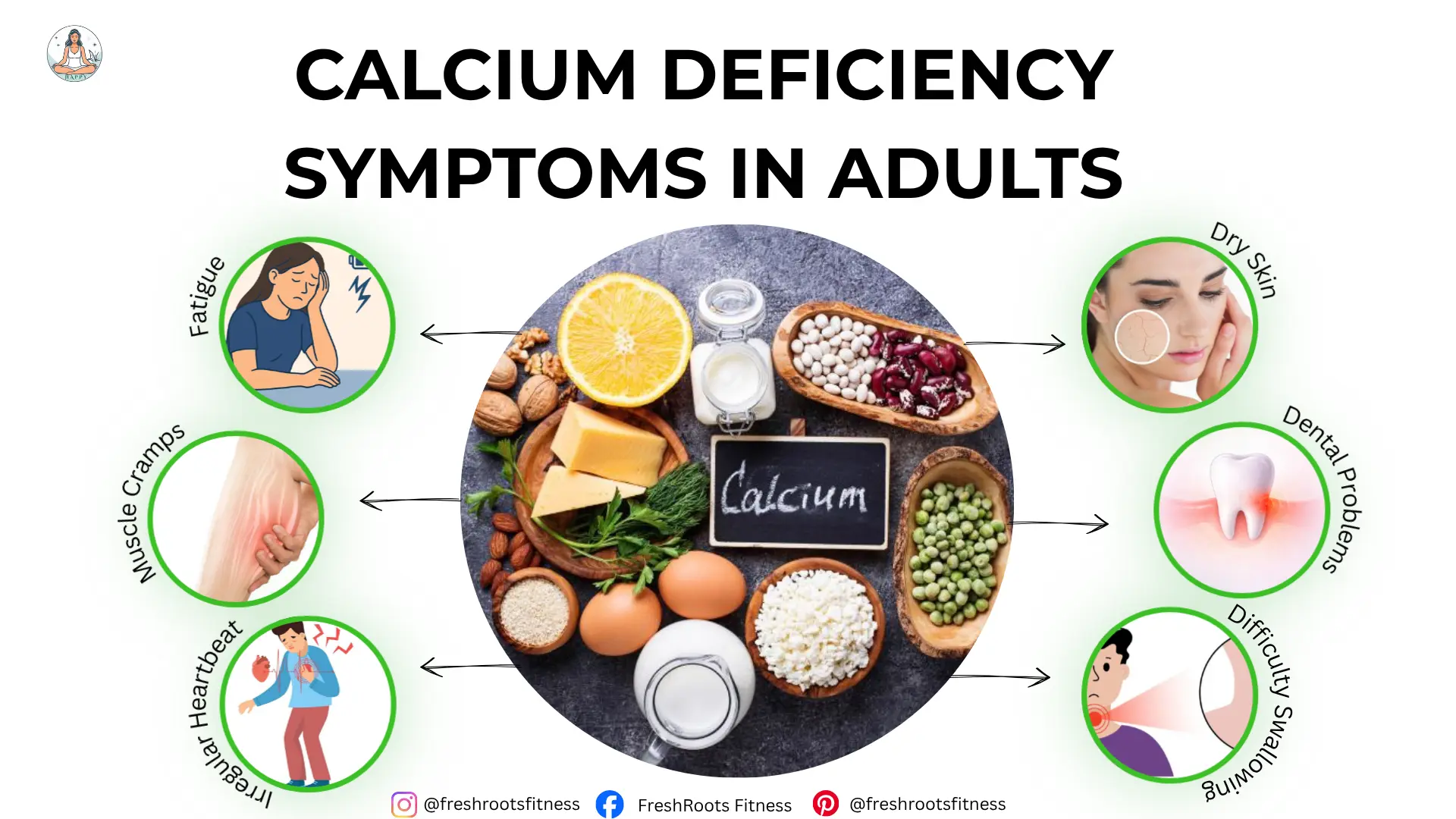
Muscle Cramps, Spasms and Twitching: One of the earliest and most telling calcium deficiency symptoms in adults. Calcium is essential for muscle contraction and crucially, muscle relaxation. When calcium is low, muscles can contract involuntarily and stay contracted. This shows up as cramping in the legs, feet and back (often at night), muscle twitching around the eyelids or face and in more severe cases, a condition called tetany, sustained, painful muscle spasms that can affect the hands, feet and face simultaneously.
Numbness and Tingling: Calcium plays a direct role in nerve signal transmission. When blood calcium is low, nerves become more excitable and less controlled, which produces tingling, numbness or a “pins and needles” sensation, most commonly in the hands, feet and around the lips. This symptom is frequently mistaken for a circulation problem or early neuropathy.
Fatigue and Low Energy: Not the dramatic exhaustion of anemia, but a persistent low-grade tiredness that makes everything feel slightly harder than it should. Calcium deficiency disrupts normal cellular energy metabolism and muscle efficiency, leaving people feeling sluggish and heavy without an obvious cause.
Mood Disturbances, Anxiety, Irritability and Depression: Calcium is involved in the regulation of neurotransmitters, the chemical messengers that govern mood, including serotonin and dopamine. Low calcium has been linked to increased anxiety, unexplained irritability and symptoms of depression. Many people experiencing mood instability never consider that a nutritional deficiency could be a contributing factor.
Brain Fog and Memory Difficulties: Cognitive function depends on proper neurochemical signaling and calcium plays a role in that process. Adults with calcium deficiency often report difficulty concentrating, mental fatigue and forgetfulness that isn’t explained by sleep or stress alone.
Irregular Heartbeat and Palpitations: Calcium regulates the electrical activity of the heart muscle. Low calcium can cause the heart to beat irregularly, producing palpitations, a fluttering sensation or a heart rate that feels unpredictable. In severe hypocalcemia, this can become a serious cardiac concern. Mild calcium deficiency may produce intermittent palpitations that are easy to write off as stress or caffeine sensitivity.
Dry Skin, Brittle Nails and Coarse Hair: These are among the most overlooked calcium deficiency symptoms in adults. Calcium plays a role in skin cell regeneration, keratin production (the protein that forms nails and hair) and the skin’s moisture barrier. Deficiency over time leads to chronically dry skin that doesn’t respond well to moisturizers, nails that break or peel easily and hair that becomes coarse, brittle or thin.
Dental Problems: Calcium is the primary mineral in tooth enamel. When dietary calcium is chronically low, the body prioritizes blood and muscle function over enamel maintenance. Adults with long-term calcium deficiency often develop more cavities, increased tooth sensitivity, weakened enamel and, in severe cases, tooth loosening. Many people address dental symptoms with dental products rather than ever investigating calcium status.
Difficulty Swallowing: In cases of more significant deficiency, the muscles of the throat and esophagus, which also depend on calcium for proper contraction and relaxation, can become tense or spastic. Some adults experience a sensation of tightness in the throat or difficulty swallowing that has no structural cause.
Osteoporosis and Fracture Risk: This is the long-term consequence most people know about, but it’s worth including in context. Bone density loss from chronic calcium deficiency happens silently over the years. Many adults only discover they have osteoporosis after experiencing a fracture from a minor impact that a healthy bone should have absorbed. By this stage, the deficiency has been operating for a long time. Earlier signs, such as muscle cramps, mood changes and dental issues, typically appear long before bones become noticeably fragile.
How to Address Calcium Deficiency Through Food and Lifestyle
Prioritize calcium-rich foods daily
Dairy products (milk, yogurt, cheese) remain among the most bioavailable calcium sources. For those avoiding dairy, excellent alternatives include calcium-set tofu, fortified plant milks, edamame, almonds, bok choy, kale, broccoli and canned fish with soft bones like sardines and salmon.
Variety matters. Relying on one source creates single points of failure. Spreading calcium intake across different foods throughout the day is both more effective for absorption and more sustainable as a dietary habit.
Fix vitamin D first
If calcium intake is adequate but symptoms persist, vitamin D status should be investigated. Getting regular sunlight exposure at least 15-20 minutes of direct sun on the arms and legs several times per week, supports natural vitamin D production. In regions or seasons with limited sunlight, vitamin D supplementation is often necessary and widely recommended.
Pair calcium with the right companions
Calcium is absorbed more effectively when consumed with magnesium and vitamin K2, both of which support calcium metabolism and help direct calcium to bones rather than soft tissues. Eating a varied, whole-food diet that includes leafy greens, nuts and seeds naturally provides these supporting nutrients.
Reduce calcium depletion habits
Limiting excessive caffeine, alcohol and high-sodium processed foods reduces unnecessary calcium losses through urine. Cutting back on carbonated soft drinks, which are associated with poor calcium absorption over time, is a practical and effective step.
Consider supplementation thoughtfully
Calcium supplements can be useful when dietary intake is consistently insufficient, but they require care. Calcium carbonate is best absorbed with food. Calcium citrate can be taken with or without food and is generally better for people with lower stomach acid (including older adults). Taking more than 500mg at once reduces absorption; splitting doses across the day is more effective.
Daily Habits That Support Calcium Balance Long-Term
- Eat calcium-rich foods across multiple meals: Absorption is more efficient in smaller, spread-out amounts rather than one large dose
- Get sunlight regularly: Natural vitamin D production is the most effective way to support calcium absorption
- Exercise with weight-bearing activity: Walking, dancing, strength training and yoga stimulate bone-building activity that makes use of dietary calcium more effectively
- Limit bone-depleting habits: Smoking, excessive alcohol and very high caffeine intake all negatively affect calcium balance over time
- Check medications with your doctor: If you’re on long-term corticosteroids or acid-suppressing medications, ask whether calcium monitoring is appropriate
When to See a Doctor
Calcium deficiency that has progressed to noticeable symptoms, particularly muscle spasms, heart palpitations, significant numbness or frequent fractures, should be evaluated medically rather than managed with diet alone.
See a doctor if
- You experience severe or frequent muscle cramps and spasms, particularly affecting the hands and face
- You notice an irregular heartbeat or unexplained palpitations
- Numbness and tingling are persistent rather than occasional
- You have risk factors for osteoporosis: post-menopausal, long-term corticosteroid use and a strong family history
- You’ve been following a dairy-free diet for years without deliberate calcium replacement
- Mood changes, anxiety or depression are significant and not responding to other interventions
A doctor will typically test serum calcium, ionized calcium, vitamin D levels and parathyroid hormone, all of which work together to give a complete picture of calcium status and metabolism.
By Medical News Today- What happens when calcium levels are low?
What to Expect When You Address Calcium Deficiency
Muscle cramps and spasms are often among the first symptoms to improve; many people notice a reduction within two to four weeks of consistently increasing calcium and vitamin D intake.
Mood and cognitive improvements tend to follow over four to six weeks as neurochemical signaling stabilizes. Skin, nail and hair changes take longer, typically two to three months, before visible differences emerge.
Bone density improvement is the slowest process; measurable changes in bone mineral density typically require six to twelve months of sustained adequate calcium and vitamin D, combined with weight-bearing exercise. But this is also the most meaningful long-term outcome, particularly for adults over 50.
Experts believe that catching and addressing calcium deficiency before bone density loss becomes significant substantially reduces the lifetime risk of osteoporotic fractures, one of the most serious and life-altering consequences of untreated chronic deficiency.
Conclusion
Calcium deficiency symptoms in adults go well beyond the bones. Muscle cramps that wake you at 3 am. Tingling hands and feet. Anxiety that doesn’t make sense. Skin that stays dry no matter what. A heart that occasionally flutters. Teeth that feel more sensitive than they used to. These are calcium talking or more precisely, calcium deficiency talking.
None of these symptoms is something you should simply accept and push through. They’re signals from a body that needs something it isn’t getting enough of.
The encouraging reality is that calcium deficiency at any stage before severe bone loss is very treatable. A combination of the right foods, adequate vitamin D, reduced depletion habits and supplementation when needed is enough to restore levels and relieve symptoms meaningfully for most adults.
Start by looking honestly at what’s on your plate every day. Then consider getting your levels tested. The solution to many symptoms you’ve been living with might be simpler than you’ve assumed.
FAQs
-
What are the first signs of calcium deficiency in adults?
Early calcium deficiency symptoms in adults include muscle cramps, numbness or tingling in hands and feet, fatigue and mood changes like irritability or anxiety. These appear long before any bone-related symptoms develop.
-
Can calcium deficiency cause anxiety and mood problems?
Yes. Calcium is involved in neurotransmitter regulation, including serotonin and dopamine. Low calcium can contribute to anxiety, irritability and low mood. These symptoms often improve once calcium levels are restored.
-
How much calcium do adults need daily?
Adults aged 19-50 need around 1,000mg per day. Women over 50 and men over 70 need 1,200mg daily. Most adults fall short of these targets, particularly those avoiding dairy.
-
Is vitamin D deficiency the same as calcium deficiency?
No, but they’re closely linked. Without enough vitamin D, the body absorbs very little dietary calcium. Correcting calcium levels without addressing vitamin D deficiency often produces poor results.
-
Can you get enough calcium without dairy?
Yes. Calcium-set tofu, fortified plant milks, almonds, bok choy, kale, sardines and edamame are all strong non-dairy sources. Deliberate daily planning is key to meeting calcium needs without dairy.
-
Do calcium supplements have side effects?
High-dose supplements can cause constipation, bloating and, in excessive amounts, may affect kidney and cardiovascular health. Splitting doses, choosing the right form and not exceeding recommended amounts minimizes these risks.

- How to Reduce Cholesterol Naturally With Simple Food Habits - July 4, 2026
- Early Signs of High Blood Sugar Most People Miss Daily - June 25, 2026
- How to Boost Immunity Naturally: Simple Daily Habits - June 23, 2026