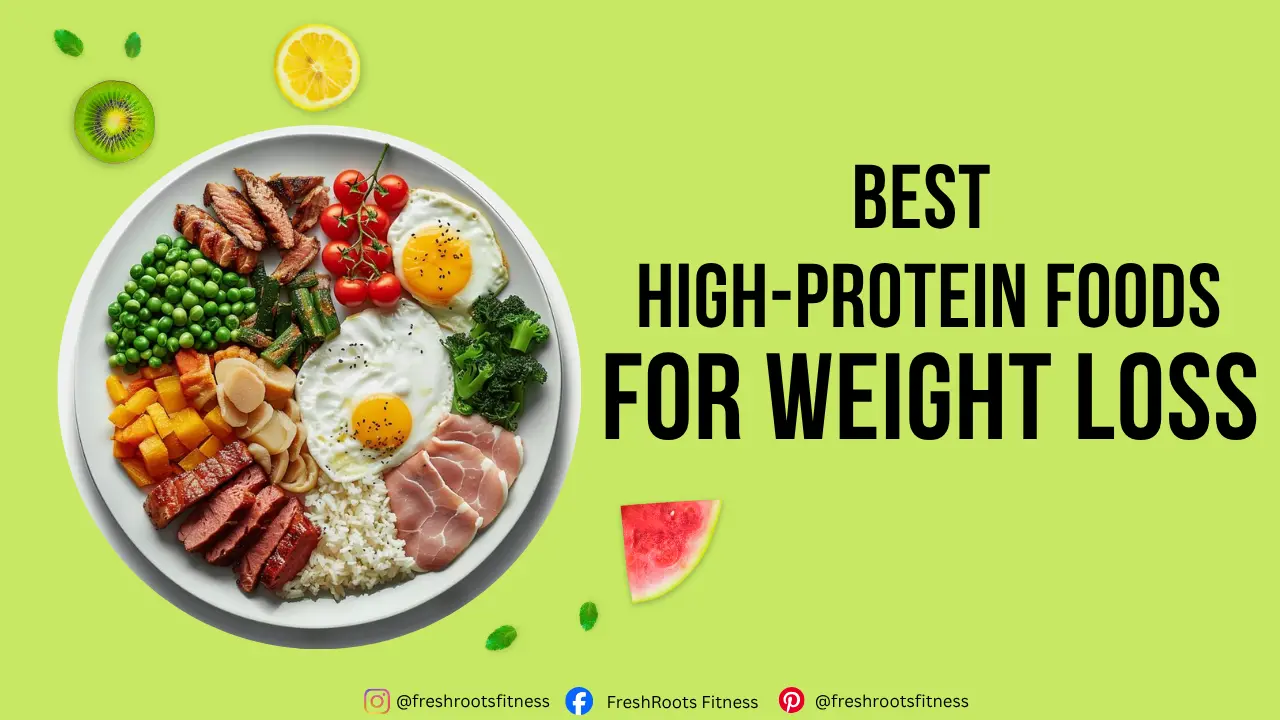
Most people who try to lose weight think about eating less. Cut the portions. Skip the snacks. Say no to seconds. And for a while, that works until the hunger becomes relentless, energy drops and the willpower required to keep going simply runs out.
What most weight loss plans miss is that how much you eat matters far less than what you eat. And the most powerful dietary lever for sustainable, hunger-free weight loss isn’t a detox tea or a calorie-counting app, it’s protein.
High-protein foods for weight loss work through several simultaneous mechanisms: they reduce hunger hormones, increase satiety hormones, boost your metabolic rate, preserve the lean muscle mass that keeps your metabolism running efficiently and require more energy just to digest. In other words, eating more protein is one of the few dietary changes that makes losing weight easier rather than harder.
The challenge is knowing which protein sources to actually eat every day, without getting bored, without breaking the budget and without the confusion of conflicting advice. This guide cuts through all of that. You’ll get the best protein-rich foods ranked by practicality and effectiveness, the science behind why protein works so well for weight loss and a practical framework for building these foods into your daily life.
Why Protein Is the Most Important Macronutrient for Weight Loss
Before getting into the food list, understanding exactly why protein supports weight loss so powerfully helps you use it more strategically.
Protein Kills Hunger
Eating protein triggers a measurable reduction in ghrelin, the primary hunger hormone, while simultaneously increasing peptide YY, GLP-1 and CCK satiety hormones that signal fullness to the brain. This hormonal response is significantly stronger with protein than with carbohydrates or fat.
Research suggests that people who increase their protein intake to 25-30% of total calories spontaneously reduce their overall calorie intake by 400-500 calories per day without consciously restricting food, tracking calories or feeling deprived. This automatic reduction in appetite is one of the most practically useful effects of a high-protein diet.
Protein Has the Highest Thermic Effect of Food
Your body uses energy to digest, absorb and process nutrients, a phenomenon called the thermic effect of food (TEF). The thermic effect of protein is 20-30%, meaning 20-30% of the calories from protein are burned during digestion itself. For comparison, carbohydrates have a thermic effect of 5-10% and fat has a thermic effect of just 0-3%.
This means that eating 100 calories of protein effectively delivers only 70-80 net calories before any other metabolic effect. Across a full day of eating, this difference compounds meaningfully.
Protein Preserves Lean Muscle During Weight Loss
When you eat in a calorie deficit, the body loses both fat and muscle. The muscle loss is metabolically problematic because muscle tissue is metabolically active, it burns calories even at rest. Losing muscle reduces your resting metabolic rate, making it progressively harder to continue losing weight and easier to regain it.
Studies indicate that higher protein intake during a calorie deficit significantly reduces muscle loss and, when combined with resistance training, may even allow muscle growth while losing fat (body recomposition). This is why the number on the scale matters less than the composition of what you’re losing, losing fat while preserving muscle produces a leaner, more metabolically efficient body.
Protein Reduces Cravings and Late-Night Snacking
Research suggests that high-protein breakfasts and meals significantly reduce cravings throughout the day, particularly cravings for high-sugar, high-fat foods in the evening. One study found that eating a high-protein breakfast reduced late-night snacking by 50% compared to a low-protein breakfast providing the same calories.
The mechanism involves the protein’s effect on dopamine regulation and reward pathways in the brain, reducing the compulsive pull toward highly palatable junk food.
How Much Protein Do You Actually Need for Weight Loss?
Before getting into specific foods, having a practical target is useful.
Research suggests the optimal protein intake for weight loss is approximately 1.2-1.6 grams of protein per kilogram of body weight per day or roughly 0.6-0.8 grams per pound. For someone weighing 70 kg (154 lbs), this means approximately 85-112 grams of protein per day.
During active weight loss with exercise, the higher end of this range and sometimes above 1.6 g/kg is more beneficial for muscle preservation and satiety.
A practical shortcut aim for 25-40 grams of protein at each main meal, with protein-rich snacks if needed. Spreading protein across meals appears to be more effective for muscle protein synthesis than consuming most protein at one meal.
Best High-Protein Foods for Weight Loss
1. Eggs – The Most Complete Breakfast Protein
Eggs are one of the most nutritionally dense and practically effective high-protein foods for weight loss available. Two large eggs provide approximately 12-14 grams of protein alongside vitamins B12, D, A, selenium and choline, an important nutrient for liver and brain health that most people don’t get enough of.
What makes eggs particularly valuable for weight loss is their satiety profile. Research consistently shows that eggs at breakfast produce significantly greater fullness and reduced calorie intake at subsequent meals compared to carbohydrate-based breakfasts providing the same calories. A widely cited study found that people who ate eggs at breakfast consumed fewer calories over the following 36 hours than those who ate bagels, despite both breakfasts being calorie-matched.
The protein quality of eggs is exceptionally high, their amino acid profile is so complete that eggs are used as the reference standard against which other protein sources are measured (a biological value of 100).
Practical daily use: boiled, scrambled, poached or as omelets with vegetables. Batch-boil a week’s worth for easy grab-and-go breakfasts and snacks.
2. Chicken Breast
Chicken breast is the most widely recommended high-protein food for weight loss for good reason: a 100-gram serving of cooked chicken breast provides approximately 31 grams of protein for roughly 165 calories, with minimal fat and virtually no carbohydrates.
This exceptional protein-to-calorie ratio makes chicken breast one of the most efficient ways to hit daily protein targets without significantly impacting calorie budget. Eating 200 grams of chicken breast uses only 330 calories, leaving substantial room for vegetables, legumes and other nutritious foods within a weight-loss calorie range.
Research suggests that diets centering lean poultry as the primary protein source consistently produce favorable outcomes for weight loss and body composition, with high adherence because chicken is mild enough to incorporate into nearly any cuisine.
The main challenge with chicken breast is palatability, it becomes dry and unappetizing when overcooked. Learning two or three reliable preparation methods, such as poaching, baking at moderate heat or marinating before grilling, solves this problem. Turkey breast has nearly identical nutritional properties and provides a useful variety alternative.
3. Greek Yogurt
Plain Greek yogurt is among the most versatile and accessible high-protein foods for weight loss. A 170-gram serving of non-fat plain Greek yogurt provides approximately 17-20 grams of protein for around 100 calories, a ratio comparable to many protein supplements.
Beyond protein content, Greek yogurt provides:
- Probiotics – Live cultures that support gut health and the gut microbiome, which research increasingly links to weight management and metabolic health
- Calcium – Studies indicate that adequate dairy calcium is associated with improved fat oxidation and weight management outcomes
- Casein protein – A slow-digesting protein that provides prolonged satiety, particularly useful when eaten before bed to reduce overnight hunger
Research suggests that Greek yogurt as a snack reduces hunger and overall calorie intake more effectively than high-carbohydrate snacks with similar calorie content.
Practical daily use breakfast with berries and flaxseeds, as a protein-rich snack, blended into smoothies or used as a sour cream or mayo substitute in cooking. Always choose plain, full-fat or non-fat varieties rather than flavored versions flavored Greek yogurts often contain as much sugar as dessert.
4. Cottage Cheese
Cottage cheese is perhaps the most underrated food on any list of high-protein foods for weight loss. Half a cup of low-fat cottage cheese provides approximately 14 grams of protein for only 80-90 calories, making it one of the most protein-dense foods available at an extremely low calorie cost.
Like Greek yogurt, cottage cheese is predominantly casein protein, slow-digesting and highly satiating. Research suggests eating cottage cheese before bed supports overnight muscle protein synthesis without meaningfully affecting fat loss, making it particularly useful for people combining weight loss with resistance training.
Many people who don’t enjoy the texture of plain cottage cheese find it works well blended into smoothies, pancake batter or dips where it adds protein without the characteristic texture.
5. Canned Fish
Canned tuna, salmon, sardines and mackerel are among the most affordable and practical high-protein options available and they are significantly underutilized in most weight loss diets.
- Canned tuna (in water) – Approximately 25-30 grams of protein per 100-gram serving for roughly 100 calories. Essentially pure protein and one of the leanest animal foods available.
- Canned salmon – Similar protein content to tuna, with the addition of significant omega-3 fatty acids that reduce inflammation and have independent research support for metabolic health and fat oxidation.
- Sardines – Approximately 25 grams of protein per 100 grams, with high omega-3 content and one of the most sustainable seafood options. Eaten with bones, they also provide significant calcium.
- Mackerel – Similar nutritional profile to sardines, with a stronger flavor preferred by many.
The omega-3 fatty acids in these fish, particularly EPA and DHA, have been studied for their ability to improve insulin sensitivity, reduce inflammatory markers associated with obesity, and support fat oxidation. Research suggests that regular fish consumption is independently associated with better weight management outcomes beyond the protein content alone.
6. Lean Red Meat
Lean cuts of beef and lamb provide exceptional protein quality, typically 25-28 grams per 100-gram serving alongside heme iron, zinc, vitamin B12, creatine and carnitine. These micronutrients collectively support energy metabolism, immune function and the muscle synthesis that is critical for maintaining metabolic rate during weight loss.
Lean cuts to prioritize:
- Beef: sirloin, tenderloin, eye of round, flank steak
- Lamb: leg, loin
- Avoid: fatty cuts, processed meats, which carry a different health profile
Research suggests that moderate red meat consumption, two to three times per week of lean cuts, is compatible with effective weight loss and provides nutrients that are difficult to obtain at the same levels from plant sources.
7. Whey Protein
While whole foods should form the foundation of any high-protein diet, whey protein deserves a place on this list because it is the most extensively researched protein supplement for both weight loss and muscle preservation.
A single serving of high-quality whey protein powder typically provides 20-25 grams of protein for 100-130 calories, with minimal fat and carbohydrates. Whey protein:
- Has a high biological value and a complete essential amino acid profile
- Is digested quickly and stimulates muscle protein synthesis rapidly
- Shows particularly strong evidence for reducing appetite and supporting satiety in research settings
- Is convenient for reaching daily protein targets when whole food intake is insufficient
Studies indicate that adding whey protein supplementation to a calorie-restricted diet produces greater fat loss, better muscle preservation and improved metabolic markers compared to equivalent calorie restriction without protein supplementation.
Practical use mixed with water or milk post-workout, blended into smoothies, mixed into oatmeal or stirred into Greek yogurt for a protein-amplified meal.
8. Lentils
For vegetarians, vegans or anyone looking to reduce meat consumption while maintaining high protein intake, lentils are the most valuable single food available. One cooked cup of lentils provides approximately 18 grams of protein alongside:
- 15-16 grams of dietary fiber – Among the highest fiber contents of any food; fiber is independently associated with weight loss through improved satiety and gut health
- Folate, iron, magnesium and potassium – Comprehensive micronutrient coverage
- Low glycemic index – Lentils produce a very slow, gradual rise in blood sugar, avoiding the insulin spikes that drive fat storage and subsequent hunger
Research suggests that replacing animal protein with lentils as the primary protein source produces comparable weight loss outcomes when total protein intake is maintained. The fiber content of lentils provides an additional satiety advantage over animal proteins alone.
Red lentils cook in 15 minutes without soaking. Green and brown lentils take 2-25 minutes. Both work in soups, curries, salads and as meat substitutes in sauces and patties.
9. Chickpeas
Chickpeas provide approximately 15 grams of protein per cooked cup alongside 12-13 grams of fiber, a combination that produces exceptional satiety. Research suggests that chickpea consumption is associated with lower body weight and reduced waist circumference in observational studies and that chickpea-based meals reduce post-meal hunger more effectively than comparable wheat-based meals.
Their versatility makes daily consumption practically easy, hummus as a dip, roasted chickpeas as a snack, whole chickpeas in salads and curries and ground chickpea flour (besan) in various cooking applications.
10. Black Beans and Kidney Beans
All varieties of beans provide substantial protein (14-17 grams per cooked cup) alongside fiber, resistant starch and micronutrients. Resistant starch in beans is particularly valuable for weight loss, as it ferments in the colon, feeding beneficial bacteria and has been shown to increase fat oxidation and reduce fat storage.
Studies indicate that regular bean consumption is associated with lower body weight and reduced risk of obesity, likely through the combined satiety effects of protein, fiber and resistant starch working simultaneously.
11. Tofu and Tempeh
Tofu provides approximately 8-10 grams of protein per 100-gram serving, modest but meaningful and calorie-efficient at around 70-80 calories per 100 grams. Firm and extra-firm tofu are the highest protein options and absorb marinades well for flavorful preparation.
Tempeh, fermented soybeans, provides significantly more protein than tofu, approximately 18-20 grams per 100 grams. Fermentation also improves the digestibility of the soy protein and reduces phytates that inhibit mineral absorption. Tempeh has a firmer texture and earthier flavor that works well in stir-fries, grain bowls and as a meat substitute.
Both tofu and tempeh contain all essential amino acids, making them among the few complete plant proteins available.
12. Edamame
Young green soybeans, edamame, provide approximately 17 grams of protein per cooked cup alongside fiber and vitamins K and C. They are one of the most protein-dense snack options available in plant-based eating, and their high satiety makes them particularly useful as a pre-dinner or afternoon snack to reduce overall meal size.
Frozen edamame is inexpensive, requires only five minutes to prepare and can be eaten simply with a pinch of salt, making it one of the easiest high-protein snacks to incorporate daily.
13. Pumpkin Seeds
At approximately 9 grams of protein per ounce (28 grams), pumpkin seeds are the most protein-rich seed and one of the best plant-based snacking options for weight loss. They also provide magnesium, zinc, iron and omega-3 fatty acids, addressing nutritional gaps common in plant-focused diets.
A quarter cup of pumpkin seeds added to oatmeal, salads or eaten as a snack provides meaningful protein without requiring meal preparation.
14. Hemp Seeds
Hemp seeds provide approximately 10 grams of complete protein per three tablespoons, one of the very few plant sources with all essential amino acids in good proportion. They blend seamlessly into smoothies, oatmeal and yogurt without affecting flavor, making them one of the easiest daily protein additions.
15. Low-Fat Paneer
100 grams of paneer provides approximately 18-20 grams of protein, comparable to chicken breast for protein density. Low-fat paneer reduces the calorie cost while maintaining the protein content, making it an excellent daily protein source for vegetarians.
The casein protein in paneer digests slowly, providing prolonged satiety that makes it particularly useful in main meals. Paneer tikka, palak paneer with reduced oil and paneer bhurji are all high-protein, weight-loss-compatible preparations.
16. Milk and Protein-Fortified Milk
Cow’s milk provides a well-balanced combination of whey and casein protein, approximately 8 grams per cup, alongside calcium, B12 and vitamin D. Research suggests dairy protein in particular supports weight loss by increasing satiety, preserving muscle mass during calorie restriction and supporting calcium-related fat metabolism.
Low-fat milk provides the same protein as whole milk with fewer calories, making it a straightforward substitution for those managing calorie intake carefully.
How to Build a High-Protein Day for Weight Loss
Here is a practical framework for hitting 100-130 grams of protein daily across meals:
Breakfast (30-35g protein): Three scrambled eggs with spinach and cherry tomatoes (20g) + a serving of Greek yogurt with berries (17g) total of approximately 37g. Black coffee or tea after the meal.
Mid-Morning Snack (15-20g protein): A handful of pumpkin seeds and edamame, quick, no preparation, approximately 16g combined.
Lunch (35-40g protein): 200g grilled chicken breast (40g) with a large salad of leafy greens, chickpeas, cucumber and lemon-olive oil dressing. Or a large bowl of dal (lentil soup) with brown rice and a side of Greek yogurt.
Afternoon Snack (15-20g protein): Cottage cheese with sliced cucumber and a sprinkle of pepper, approximately 14g protein for under 100 calories.
Dinner (30-40g protein): Baked salmon fillet (25g) with roasted broccoli and quinoa (5g combined) total of approximately 30g. Or tempeh stir-fry with vegetables and brown rice, approximately 28g.
Evening (optional 10-15g): A small serving of cottage cheese or a half cup of warm milk if hunger arises before bed.
This provides 115-140 grams of protein spread across the day consistently within the optimal range for weight loss with muscle preservation.
Foods to Pair With Your Protein for Maximum Weight Loss Effect
High-protein foods work best when combined with:
- Non-starchy vegetables – Broccoli, spinach, kale, cucumber, zucchini, cauliflower, bell peppers. They add volume, fiber and micronutrients for very few calories, making meals physically large and filling without adding caloric burden.
- Fiber-rich carbohydrates – Oats, brown rice, sweet potato, lentils, quinoa. Slow-digesting carbohydrates alongside protein produce the most stable blood sugar and the longest-lasting satiety.
- Healthy fats in moderation – Olive oil, avocado, nuts and seeds. Fat slows digestion, enhances satiety and improves absorption of fat-soluble vitamins. Moderate fat alongside protein creates the most satiating meals.
Common Mistakes That Undermine High-Protein Weight Loss
Even with the right protein foods, these errors limit results:
Eating protein too late in the day: Research suggests that distributing protein evenly across meals rather than consuming most of it at dinner produces better muscle protein synthesis and superior satiety throughout the day.
Relying on protein bars and processed protein products: Many protein bars contain as much sugar and additives as candy bars. They satisfy targets on paper while driving cravings and providing inferior satiety compared to whole food protein sources.
Ignoring overall calorie balance: Protein supports weight loss powerfully, but it doesn’t override a significant calorie surplus. High protein intake within a modest calorie deficit is the combination that produces the most consistent results.
Not drinking enough water: Higher protein intake increases the nitrogen load the kidneys must excrete. Adequate hydration, at least eight to ten glasses of water daily, supports kidney function and prevents the fatigue and headaches some people experience when transitioning to higher protein intake.
Eating protein without fiber: Protein and fiber together produce synergistic satiety effects. Protein alone without adequate fiber leaves many people satisfied for a shorter time than the combination of both.
Lifestyle Habits That Amplify High-Protein Weight Loss
Protein works best as part of a broader healthy lifestyle:
- Strength training two to three times per week – Resistance exercise and high protein intake together produce the best body composition outcomes: maximum fat loss with maximum muscle preservation. Exercise also increases the rate at which protein is incorporated into muscle tissue.
- Consistent sleep of seven to nine hours – Sleep deprivation disrupts hunger hormones in ways that undermine even a well-structured high-protein diet. Many people find that fixing sleep produces almost immediate improvements in appetite control.
- Managing stress – Chronic stress elevates cortisol, which promotes fat storage, particularly around the abdomen and drives cravings for high-calorie foods. Stress management is a genuine part of any effective weight loss strategy.
- Meal prepping protein foods – The biggest practical barrier to consistent high-protein eating is convenience. Batch-cooking chicken, hard-boiling eggs, pre-portioning Greek yogurt and cottage cheese and having lentil dishes prepared in advance removes the friction that leads to lower-protein convenience food choices.
Signs Your Protein Intake Is Supporting Weight Loss
When protein intake is genuinely adequate for weight loss, you’ll notice:
- Feeling full and satisfied after meals without needing very large portions.
- Reduced cravings, particularly for sweets and snacks in the evening.
- More stable energy throughout the day without significant afternoon crashes.
- Maintaining or improving physical strength despite eating in a calorie deficit.
- Scale weight decreases while body measurements tighten.
- Reduced frequency and intensity of hunger between meals.
When to See a Doctor or Nutritionist
For most healthy adults, increasing protein intake from whole food sources is safe and beneficial. However, medical consultation is appropriate if:
- You have existing kidney disease: Higher protein intake increases the filtration burden on the kidneys and the appropriate protein level for people with kidney disease requires individual medical guidance
- You have liver disease: Protein metabolism occurs in the liver and the appropriate intake varies by the severity of liver dysfunction
- You are pregnant or breastfeeding: Protein requirements increase significantly and nutritional guidance from a healthcare provider is valuable
- You are on medications affected by dietary protein: Certain medications interact with specific amino acids or are processed differently at high protein intakes
- Weight loss is not occurring despite consistent dietary changes: A registered dietitian can identify individual factors affecting progress
Conclusion
The most counterintuitive truth about sustainable weight loss is that eating more of the right food specifically, high-protein foods for weight loss, makes the process easier than eating less of everything. Protein reduces hunger hormonally, raises your metabolic rate, preserves the muscle that keeps your metabolism efficient and reduces cravings that derail progress.
According to The HealthLine- High Protein Foods
The foods in this guide, eggs, chicken, Greek yogurt, lentils, salmon, cottage cheese, tempeh and others are not exotic or expensive. They are accessible, versatile and practical for everyday cooking across every cuisine. The challenge is not finding them. It’s building the daily habits around them.
Start by identifying your current protein intake and the gap to your target. Then choose two or three foods from this guide that fit naturally into how you already eat and add them consistently. Within two to three weeks, most people notice their hunger patterns changing, less urgency between meals, smaller appetite at meals and fewer evening cravings.
That is protein working. And that is what makes weight loss sustainable rather than just temporary.
FAQs
-
How much protein should I eat daily for weight loss?
Research suggests 1.2-1.6 grams per kilogram of body weight daily. For most adults, this means 80-130 grams per day spread across three meals for best satiety and muscle preservation results.
-
Can high-protein foods help lose belly fat specifically?
Higher protein diets reduce overall body fat, including visceral belly fat, by lowering calorie intake through satiety and preserving muscle mass. Research consistently links high-protein eating with reduced waist circumference over time.
-
Is eating protein at breakfast important for weight loss?
Yes, research shows high-protein breakfasts significantly reduce hunger and cravings throughout the day. Studies link protein-rich breakfasts to reduced calorie intake at later meals and lower frequency of evening snacking.
-
What are the best high-protein foods for weight loss?
Eggs, chicken breast, Greek yogurt, cottage cheese, lentils, canned fish and tempeh are among the best. They combine high protein content with strong satiety, low calorie density and practical daily usability.
-
Are high-protein foods for weight loss the same for vegetarians?
Vegetarians can meet protein needs with lentils, chickpeas, tofu, tempeh, edamame, Greek yogurt, cottage cheese and eggs. These provide complete or complementary proteins sufficient for effective weight loss when eaten consistently.
-
Can you eat too much protein on a weight loss diet?
For healthy adults, moderately high protein intake is safe. Extremely high intake above 2.5g/kg may stress the kidneys in predisposed individuals. Stick to 1.2-2g/kg daily, enough to maximize weight loss benefits safely.

- How to Reduce Cholesterol Naturally With Simple Food Habits - July 4, 2026
- Early Signs of High Blood Sugar Most People Miss Daily - June 25, 2026
- How to Boost Immunity Naturally: Simple Daily Habits - June 23, 2026