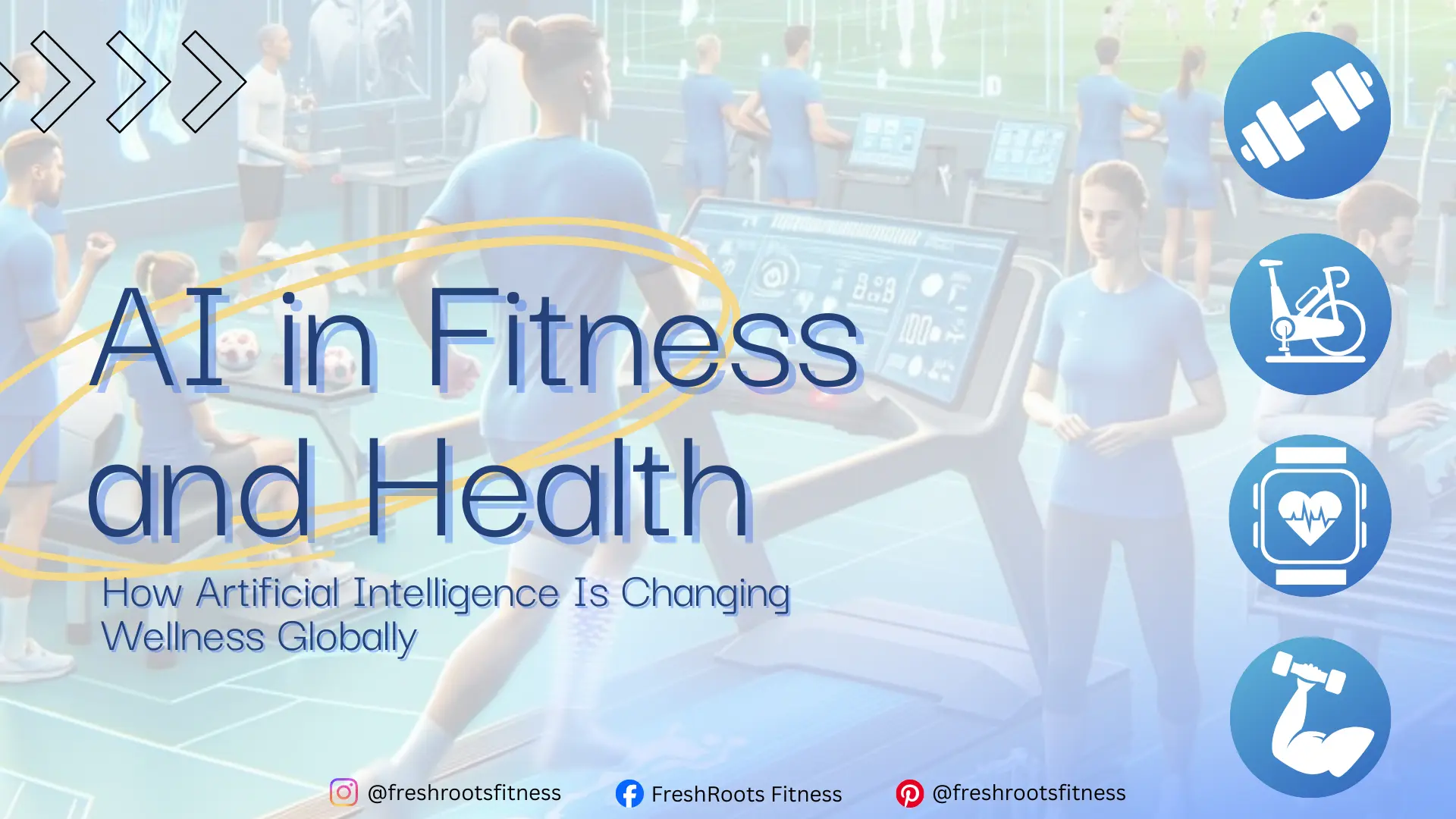
Artificial intelligence is no longer limited to technology labs or big companies. Today, it plays a growing role in everyday health and fitness routines. From smartwatches to virtual health coaches, AI in fitness and health is changing how people understand their bodies and manage their well-being.
Across the world, individuals are using AI-powered tools to track activity, improve nutrition, manage stress and stay consistent with healthy habits. Many people report that these tools make wellness feel more personalized and achievable.
Let’s explore how artificial intelligence is reshaping global wellness and why this trend is gaining attention.
Why AI Is Becoming Important in Health and Fitness
Modern lifestyles are busy, stressful and often unpredictable. People want solutions that fit into daily life without being overwhelming. Experts believe AI helps bridge this gap by analyzing data and offering practical guidance.
Key reasons behind the rise of AI include:
- Growing use of smartphones and wearables
- Increased health awareness after recent global health challenges
- Demand for personalized fitness and nutrition plans
- Easy access to digital health platforms
Research suggests that data-driven insights can support better decision-making when combined with healthy habits.
How AI in Fitness and Health Works
AI systems learn from user data such as activity levels, sleep patterns, heart rate and lifestyle choices. Over time, they adjust recommendations based on patterns and changes.
This process usually involves:
- Data collection through apps or devices
- Pattern recognition using algorithms
- Personalized feedback and reminders
Many users notice that AI-based suggestions feel more relevant than general health advice.
Major Ways AI in Fitness and Health Is Transforming Wellness
1. Personalized Workout Plans
One of the most visible uses of AI in fitness and health is smart workout planning. Fitness apps now adjust routines based on:
- Fitness level
- Daily activity
- Recovery needs
- Time availability
Instead of fixed programs, AI adapts workouts as the body responds. Some users notice improved consistency because the plans feel flexible and realistic.
2. Smart Wearables and Health Tracking
Wearable devices powered by AI are becoming common worldwide. These devices track:
- Steps and physical activity
- Heart rate and sleep cycles
- Stress indicators
- Recovery patterns
Studies indicate that regular tracking may encourage healthier habits by increasing self-awareness. However, experts also recommend not becoming overly dependent on numbers alone.
3. AI-Based Nutrition Guidance
Nutrition is no longer about strict diets. AI-powered apps analyze eating patterns and provide suggestions based on goals and preferences.
Common features include:
- Meal planning support
- Portion awareness
- Nutrient balance insights
- Reminder alerts
Many people report gradual improvements in eating habits rather than sudden changes, which supports long-term sustainability.
4. Mental Health and Stress Management Tools
Mental wellness is a growing focus within AI in fitness and health. AI-driven platforms now support emotional well-being through:
- Guided meditation sessions
- Mood tracking
- Stress-level insights
- Sleep improvement tools
Research suggests that consistent mindfulness practices, even when digitally guided, may help improve emotional balance over time.
5. Virtual Health Coaches
AI-powered virtual coaches provide motivation, reminders and feedback without judgment. These tools are often available 24/7, making support more accessible.
Benefits include:
- Habit-building reminders
- Progress tracking
- Encouraging feedback
Many users feel more accountable when gentle guidance is available daily.
6. Injury Prevention and Recovery Support
AI systems can identify movement patterns and potential risks during exercise. This helps users adjust form or intensity.
This AI in fitness and health applications is often used for:
- Reducing overtraining
- Supporting recovery days
- Improving movement awareness
Experts believe this can support safer fitness routines when combined with proper guidance.
7. Population-Level Health Insights
On a larger scale, AI helps analyze health trends across communities. This supports:
- Better wellness program design
- Early identification of lifestyle risks
- Improved public health planning
While individuals may not directly see this impact, it influences how wellness services evolve globally.
These Articles You Should Read
What Can I Do to Relieve Stress?
5 Best Exercises for Stress Relief
What Causes a Blood Pressure Reading of 152/120
The Powerful Reasons Why Mental Wellness Truly Matters
Benefits and Limitations of AI in Wellness
Benefits
- Personalized recommendations
- Convenience and accessibility
- Better habit consistency
- Data-backed insights
Limitations
- Depends on data accuracy
- Not a replacement for medical professionals
- May not suit everyone equally
Experts emphasize that AI should support healthy choices, not replace human judgment or professional care.
Future of AI in Fitness and Health
The future of AI in fitness and health looks focused on balance. Instead of pushing extreme goals, AI tools are expected to promote sustainable routines that fit individual lifestyles.
Experts believe future developments may focus more on:
- Emotional well-being integration
- Preventive lifestyle guidance
- Simpler user experiences
As technology evolves, the goal remains the same: helping people live healthier lives with awareness and consistency.
By Times of India- Can AI be your gym buddy?
Conclusion
AI is quietly transforming how the world approaches wellness. From personalized workouts to mental health support, AI in fitness and health offers tools that make healthy living more approachable and flexible. While it has limitations, when used mindfully, AI can support better habits and long-term well-being.
The key is to balance using technology as a guide, not a substitute for professional advice or self-awareness.
FAQs
What is AI in fitness and health?
It refers to the use of artificial intelligence to analyze health data and provide personalized fitness, nutrition and wellness guidance.
Is AI fitness guidance safe to use?
Generally, yes, when used responsibly. It should support routines, not replace professional medical or fitness advice.
Can AI help with mental wellness?
Many platforms offer stress management and mindfulness tools. Some users notice improvement with consistent use.
Do I need wearable devices to use AI health tools?
Not always. Many apps work with basic user input, though wearables provide more detailed insights.
Will AI replace human trainers or doctors?
No. Experts believe AI works best as a supportive tool alongside professional care.