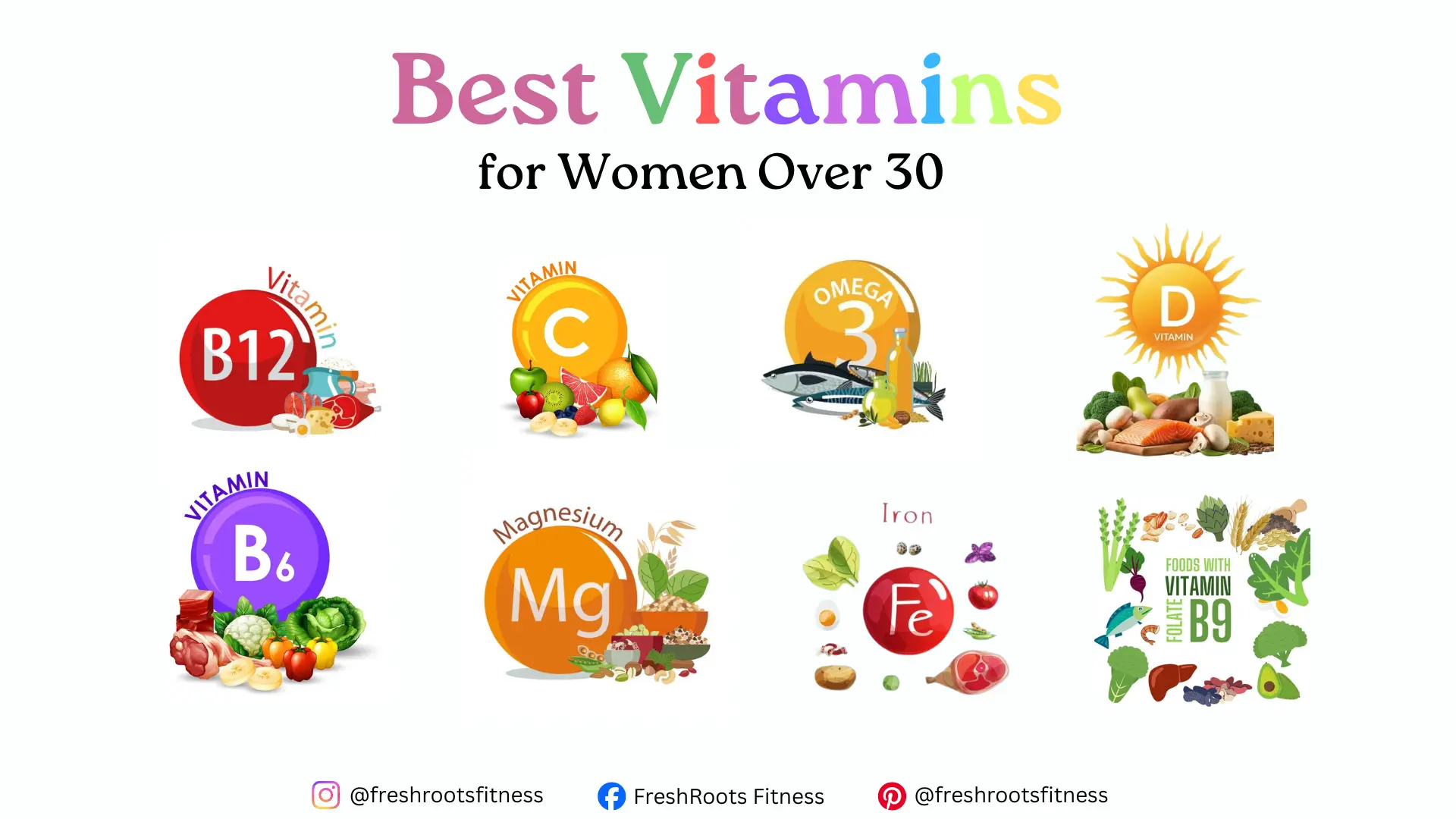
Turning 30 is a major milestone in a woman’s life. It often brings career growth, family responsibilities and lifestyle changes. But internally, your body also begins to shift. Metabolism may slow slightly, stress levels may rise and hormonal fluctuations can become more noticeable.
This is why understanding the best vitamins for women over 30 becomes essential. Proper nutrition during this phase supports energy levels, hormone balance, bone strength and long-term wellness.
Many women report feeling more fatigued in their 30s compared to their 20s. While lifestyle plays a role, nutrient deficiencies may also contribute. Let’s explore which vitamins matter most and why.
Why Nutritional Needs Change After 30
After 30, subtle biological changes begin:
- Gradual decline in collagen production
- Slight decrease in muscle mass
- Hormonal shifts (estrogen and progesterone)
- Increased stress hormone (cortisol) fluctuations
- Changes in metabolism
Research suggests that nutrient absorption may also decline slightly with age. Combined with busy routines and irregular eating habits, deficiencies can develop silently.
Experts believe that focusing on the best vitamins for women over 30 can help maintain energy and hormonal harmony during this stage.
Best Vitamins for Women Over 30
Here are the key vitamins and nutrients that support energy and hormone balance.
1. Vitamin D – The Sunshine Vitamin
Vitamin D plays a critical role in:
- Bone strength
- Immune function
- Mood regulation
- Hormone signaling
Studies indicate that low vitamin D levels are common among women, especially those who spend limited time in sunlight.
Vitamin D helps the body absorb calcium and supports reproductive hormone balance. Many people report improved mood and energy after correcting low levels.
Sources:
- Sunlight exposure
- Fortified milk
- Egg yolks
- Fatty fish
2. Vitamin B12 – For Energy and Brain Function
If you often feel tired despite sleeping well, B12 might be worth checking.
Vitamin B12 supports:
- Red blood cell formation
- Nervous system health
- Energy production
Research suggests B12 deficiency may lead to fatigue, weakness and brain fog.
Women who follow vegetarian or vegan diets are at higher risk of low B12 levels. Including B12 is essential when discussing the best vitamins for women over 30.
Sources:
- Dairy products
- Eggs
- Fish
- Fortified cereals
3. Vitamin B6 – Hormone Support
Vitamin B6 helps regulate:
- Mood-related neurotransmitters
- PMS symptoms
- Hormonal fluctuations
Some users notice improvement in mood swings and bloating when B6 intake is adequate.
This vitamin supports progesterone balance, which is important in the 30s as cycles may start changing.
Sources:
- Bananas
- Chickpeas
- Potatoes
- Whole grains
4. Iron – Preventing Fatigue
Iron deficiency is common in women due to menstruation.
Low iron levels may cause:
- Weakness
- Hair thinning
- Pale skin
- Shortness of breath
Studies indicate that iron is essential for oxygen transport in the blood. Without adequate iron, energy levels drop significantly.
Sources:
- Spinach
- Lentils
- Red meat
- Pumpkin seeds
5. Magnesium – The Stress Mineral
Magnesium supports over 300 biochemical reactions in the body.
It helps with:
- Stress regulation
- Sleep quality
- Muscle relaxation
- Hormone balance
Experts believe magnesium helps regulate cortisol levels, which may improve sleep and reduce anxiety.
Many women report better sleep within weeks of improving magnesium intake.
Sources:
- Nuts and seeds
- Dark chocolate
- Leafy greens
- Whole grains
6. Vitamin C – Immunity and Skin Health
Vitamin C is not only for immunity.
It also:
- Supports collagen production
- Helps iron absorption
- Protects against oxidative stress
After 30, collagen production naturally declines. Vitamin C helps slow the visible signs of aging.
Sources:
- Oranges
- Amla
- Bell peppers
- Kiwi
7. Omega-3 Fatty Acids – Hormone and Heart Support
Though technically not a vitamin, omega-3 is crucial.
It supports:
- Hormonal signaling
- Brain health
- Heart function
- Inflammation control
Research suggests omega-3 may help reduce PMS symptoms and support mood stability.
Sources:
- Flaxseeds
- Chia seeds
- Walnuts
- Fatty fish
8. Folate (Vitamin B9) – Cellular Health
Folate supports:
- DNA repair
- Red blood cell formation
- Hormonal balance
It is especially important for women planning pregnancy, but it also supports general wellness.
Sources:
- Leafy greens
- Beans
- Citrus fruits
How These Vitamins Support Hormone Balance
Hormones depend on nutrients for proper production and regulation.
For example:
- B vitamins help the body convert food into usable energy.
- Magnesium calms the nervous system and supports the adrenal glands.
- Vitamin D interacts with hormone receptors.
- Iron ensures oxygen reaches tissues efficiently.
When nutrient levels are adequate, the endocrine system functions more smoothly. Studies indicate that balanced nutrition may reduce fatigue and mood disturbances linked to hormonal changes.
Signs You May Need Nutritional Support
You may consider evaluating your nutrient intake if you experience:
- Persistent fatigue
- Irregular periods
- Hair thinning
- Mood swings
- Poor sleep
- Frequent infections
These symptoms do not automatically mean deficiency, but they may signal the body needs support.
Food First Approach vs Supplements
Experts generally recommend a food-first approach.
Whole foods provide:
- Fiber
- Phytonutrients
- Better nutrient absorption synergy
However, supplements may be helpful if blood tests confirm deficiencies. Always consult a healthcare professional before starting high-dose supplements.
These Articles You Should Read
The Hidden Benefits of Fibermaxxing
Natural Ways to Detox After Your Period
Boost Your Energy- Best Vitamins For Tiredness
How to Manage PCOS Through Diet and Lifestyle
Lifestyle Tips to Maximize Vitamin Benefits
Taking the best vitamins for women over 30 works best when combined with healthy habits.
1. Eat Balanced Meals
Include protein, healthy fats and fiber.
2. Exercise Regularly
Strength training supports metabolism and hormone health.
3. Manage Stress
Yoga and meditation help regulate cortisol.
4. Get Quality Sleep
Sleep restores hormonal balance.
5. Stay Hydrated
Water supports nutrient transport.
When to Consult a Doctor
Seek medical advice if you notice:
- Extreme fatigue
- Heavy or missed periods
- Severe mood changes
- Sudden weight fluctuations
Blood tests can help identify specific deficiencies and guide safe supplementation.
Conclusion
Your 30s are a powerful decade. With the right nutrition, you can feel energetic, balanced and strong.
Understanding the best vitamins for women over 30 allows you to support your body through natural hormonal shifts. Vitamin D, B-complex vitamins, iron, magnesium, vitamin C and omega-3 fatty acids all play essential roles in maintaining energy and overall well-being.
By Medical News Today- Best Vitamins for Women
Many women notice improvements in mood, sleep and vitality when they prioritize nutrient-rich foods and healthy habits. Small daily choices today can protect long-term health tomorrow.
FAQs
What are the best vitamins for women over 30?
Vitamin D, B12, B6, iron, magnesium, vitamin C, folate and omega-3 are among the most important nutrients.
Can vitamins help with a hormonal imbalance?
Certain vitamins support hormone production and regulation, but they are not replacements for medical treatment when needed.
Is it necessary to take supplements after 30?
Not always. A balanced diet may provide enough nutrients. Testing helps determine individual needs.
Which vitamin helps most with energy?
Vitamin B12 and iron are closely linked to energy production.
Can magnesium improve sleep?
Many people report better sleep quality when magnesium intake is adequate.