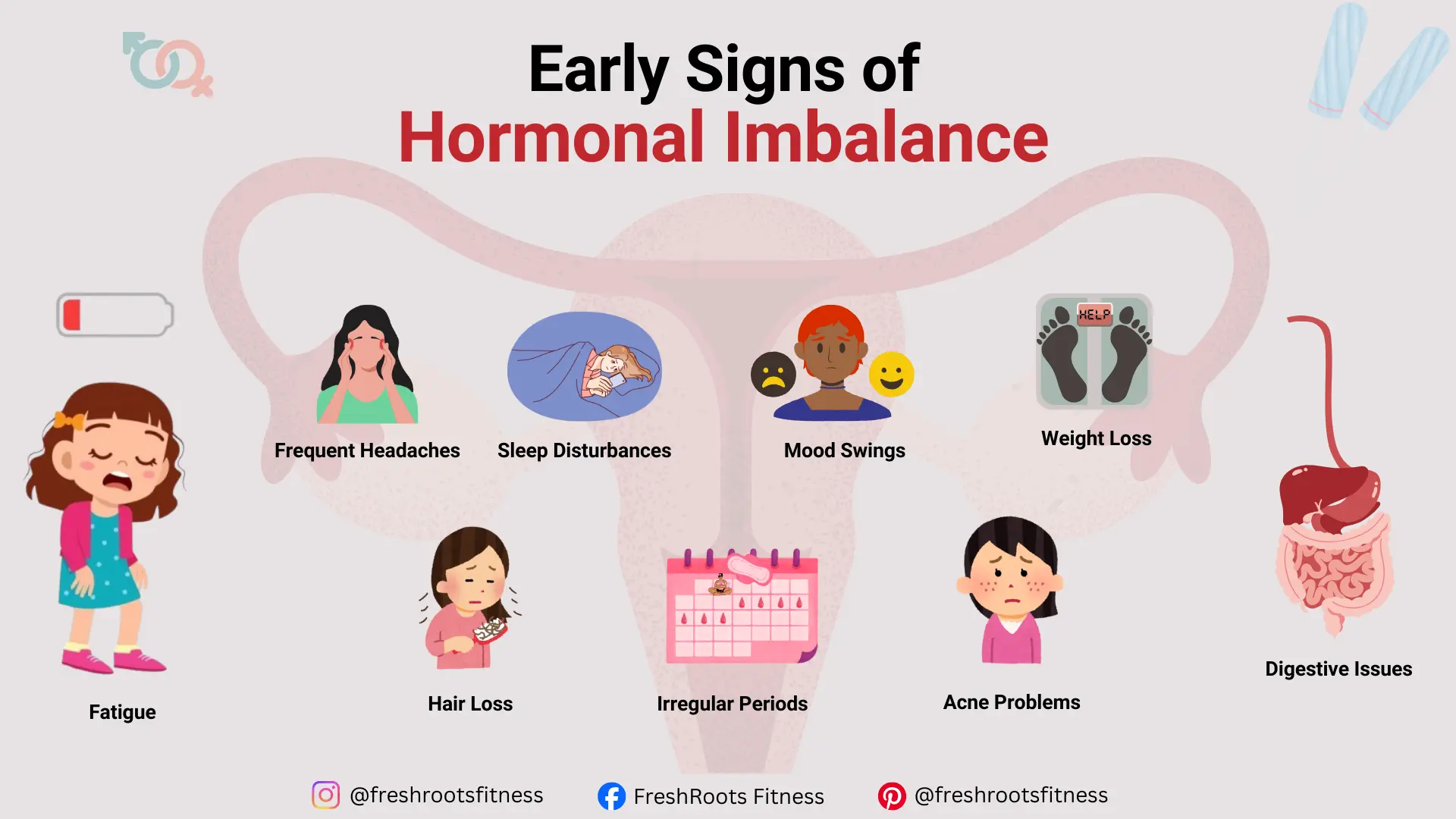
Hormones quietly control almost every function in a woman’s body. From mood and metabolism to skin health and menstrual cycles, they play a powerful role. When even one hormone shifts out of balance, the body starts sending signals. Recognizing the early signs of hormonal imbalance in women can help you take timely action and prevent long-term complications.
Women in their 20s and 30s often ignore subtle changes, assuming stress or lifestyle is to blame. While stress can affect hormones, persistent symptoms may indicate deeper imbalances that deserve attention.
Let’s understand what hormonal imbalance looks like, why it happens and how you can support your body naturally.
What Is Hormonal Imbalance?
Hormonal imbalance happens when there is too much or too little of a hormone in the bloodstream. Even small changes can affect the body because hormones act as chemical messengers.
Key hormones involved include:
- Estrogen
- Progesterone
- Thyroid hormones
- Cortisol (stress hormone)
- Insulin
- Testosterone (present in small amounts in women)
Research suggests that modern lifestyle factors such as chronic stress, poor sleep, processed foods and environmental toxins may disrupt hormonal harmony.
Why Women in Their 20s and 30s Are at Risk
Many people assume hormonal issues only happen during menopause. However, experts believe hormonal fluctuations are common even in younger women due to:
- Irregular sleep patterns
- High stress levels
- Birth control use
- Polycystic Ovary Syndrome (PCOS)
- Thyroid disorders
- Sudden weight changes
This is why understanding the early signs of hormonal imbalance in women is important during these active reproductive years.
Early Signs of Hormonal Imbalance in Women
Here are the most common symptoms to watch for:
1. Irregular Periods
Your menstrual cycle is one of the clearest indicators of hormonal health.
You may notice
- Missed periods
- Very heavy or very light flow
- Cycles shorter than 21 days or longer than 35 days
- Severe PMS symptoms
Studies indicate that estrogen and progesterone imbalance often affects cycle regularity.
2. Unexplained Weight Gain or Difficulty Losing Weight
If you are eating well but still gaining weight, hormones may be involved.
- A thyroid imbalance slows metabolism
- High cortisol increases belly fat
- Insulin resistance promotes fat storage
Many people report stubborn weight gain around the abdomen as one of the early signs of hormonal imbalance in women.
3. Persistent Fatigue
Feeling tired even after 7-8 hours of sleep?
Low thyroid hormone levels, adrenal fatigue, or progesterone imbalance can contribute to chronic exhaustion. Research suggests that hormonal disruptions may interfere with the body’s cellular energy production.
4. Mood Swings, Anxiety or Mild Depression
Hormones directly affect brain chemicals like serotonin and dopamine.
You might experience
- Irritability
- Anxiety
- Low mood
- Sudden emotional sensitivity
Many women notice mood changes before their periods, but extreme or persistent mood shifts may signal an imbalance.
5. Acne and Skin Problems
Adult acne, especially around the jawline and chin, can be linked to androgen (male hormone) excess.
This is often seen in PCOS. This remedy is often recommended in traditional practice: maintaining gut health and reducing processed sugar to support clearer skin.
6. Hair Thinning or Excess Facial Hair
Hormonal shifts can affect hair growth cycles.
- Hair thinning may indicate thyroid issues
- Excess facial hair may suggest an androgen imbalance
Experts believe hormone receptors in hair follicles respond quickly to internal changes.
7. Low Libido
A sudden drop in sexual desire can be one of the early signs of hormonal imbalance in women. Low estrogen or testosterone levels may reduce libido and vaginal lubrication.
8. Sleep Disturbances
Difficulty falling asleep or waking up at 3-4 AM frequently?
Cortisol and melatonin imbalance could be involved. Research suggests stress-related hormone spikes interfere with deep sleep cycles.
9. Digestive Issues
Hormones influence gut movement and microbiome balance.
You may experience
- Bloating
- Constipation
- Food sensitivities
Many people report improvement in digestion once hormonal balance improves.
10. Frequent Headaches
Estrogen fluctuations are commonly linked with migraines, especially around menstruation.
If headaches follow a monthly pattern, hormones may be a contributing factor.
Some Articles Which You Should Try
Squat Exercises During Periods
Best Home Remedies for Irregular Periods
5 Tips How Can I Make My Period Cycle Healthy
How to Manage PCOS Through Diet and Lifestyle
6 Effective Yoga Poses to relieve Menstrual Cramps
How Hormonal Imbalance Affects the Body Scientifically
Hormones bind to receptors in cells, sending signals that regulate metabolism, mood, growth and reproduction.
For example
- Estrogen supports bone density and brain function.
- Progesterone calms the nervous system.
- Thyroid hormones control metabolic rate.
- Cortisol manages the stress response.
When these signals are disrupted, the body cannot maintain internal balance (homeostasis). Studies indicate prolonged imbalance may increase the risk of fertility issues, metabolic disorders and mood disturbances.
Common Causes Behind Hormonal Imbalance
Understanding causes can help prevent worsening symptoms.
1. Chronic Stress
High cortisol suppresses reproductive hormones.
2. Poor Diet
Excess sugar may promote insulin resistance.
3. Lack of Sleep
Sleep regulates cortisol and melatonin cycles.
4. Sedentary Lifestyle
Physical activity improves insulin sensitivity and hormone regulation.
5. Environmental Toxins
Certain chemicals in plastics and cosmetics may mimic estrogen in the body.
Experts believe reducing toxin exposure may support long-term hormonal health.
Natural Ways to Support Hormonal Balance
While medical advice is essential for severe symptoms, lifestyle adjustments can help support balance.
1. Prioritize Quality Sleep
Aim for 7-9 hours nightly.
Sleep repairs hormone-regulating glands.
2. Manage Stress
Try:
- Deep breathing
- Yoga
- Meditation
- Nature walks
Many women report noticeable mood improvement within a few weeks of stress management practices.
3. Eat Balanced Meals
Focus on:
- Whole foods
- Healthy fats (nuts, seeds, olive oil)
- Protein-rich meals
- Fiber for gut health
Research suggests stable blood sugar helps regulate insulin and cortisol.
4. Exercise Regularly
Strength training and moderate cardio improve metabolic hormones.
5. Support Gut Health
Fermented foods and fiber-rich vegetables help maintain microbiome balance, which influences estrogen metabolism.
6. Consult a Healthcare Professional
If symptoms persist, blood tests can help evaluate thyroid, insulin and reproductive hormone levels.
When Should You See a Doctor?
Seek medical advice if you notice:
- Missing periods for 3 months
- Rapid weight changes
- Severe mood swings
- Persistent fatigue
- Difficulty conceiving
Early diagnosis helps prevent complications and supports better long-term outcomes.
According to the Cleveland Clinic Hormonal Imbalance
Conclusion
Hormonal health plays a central role in a woman’s physical and emotional well-being. The early signs of hormonal imbalance in women often start subtly, with irregular periods, mood shifts, fatigue or skin changes.
Listening to your body is important. Many symptoms can improve with lifestyle adjustments, stress management and balanced nutrition. However, persistent or severe symptoms should not be ignored.
Taking small daily steps toward hormone-friendly habits can make a meaningful difference over time. Your body communicates through signs, paying attention is the first step toward balance.
FAQs
-
What are the most common early signs of hormonal imbalance in women?
Irregular periods, mood swings, acne, fatigue and unexplained weight gain are among the most common symptoms.
-
Can stress cause a hormonal imbalance?
Yes. Chronic stress raises cortisol levels, which may disrupt reproductive and thyroid hormones.
-
How long does it take to balance hormones naturally?
Some users notice improvement within a few weeks of consistent lifestyle changes, though results vary.
-
Can a hormonal imbalance affect fertility?
Yes. Irregular ovulation due to hormone imbalance may impact fertility, but medical support can help manage it.
-
Is hormonal imbalance common in women in their 20s?
Yes. Many women in their 20s and 30s experience hormonal fluctuations due to stress, lifestyle or medical conditions like PCOS.
-
Should I get hormone tests done?
If symptoms persist or worsen, consulting a healthcare provider for proper evaluation is recommended.