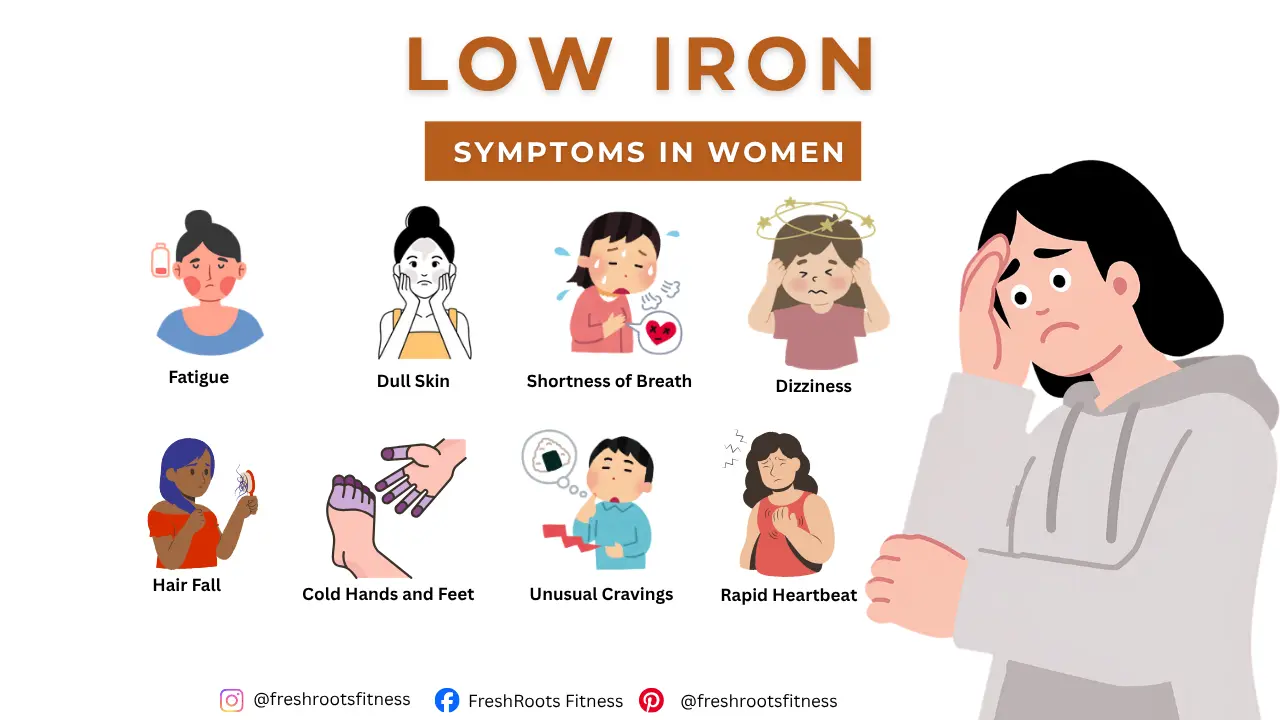
Do you often feel tired even after getting enough rest? Or maybe you feel dizzy, weak, or out of breath for no clear reason. These small signs are easy to ignore, but they could be your body’s way of telling you something important. Many women experience low iron symptoms in women without realizing what’s actually causing them. Since iron plays a key role in carrying oxygen throughout your body, even a small deficiency can affect your energy, mood and overall health.
The good news? Once you understand the signs early, it becomes much easier to manage and improve your iron levels naturally.
Why Iron Is So Important for Women
Iron is essential for producing hemoglobin, a protein in red blood cells that carries oxygen to different parts of your body.
When iron levels drop:
- Your body doesn’t get enough oxygen
- Energy production slows down
- You may feel constantly tired or weak
Experts believe women are more prone to iron deficiency due to:
- Menstruation (monthly blood loss)
- Pregnancy or breastfeeding
- Poor dietary intake
- Hormonal changes
That’s why recognizing low iron symptoms in women early is so important.
Common Low Iron Symptoms in Women
Let’s look at the most noticeable signs your body may show.
1. Constant Fatigue and Weakness
This is one of the earliest and most common symptoms.
You may feel:
- Tired all day, even after sleep
- Low motivation to do daily tasks
- Physically weak without heavy activity
Research suggests that low iron reduces oxygen supply to muscles and tissues, making you feel exhausted more quickly.
2. Pale or Dull Skin
Have you noticed your skin looking unusually pale?
- The face may look less vibrant
- Lips and inner eyelids may appear lighter
This happens because hemoglobin gives your blood its red color. Lower levels can affect your natural skin tone.
3. Shortness of Breath
If you feel breathless even after light activity like walking or climbing stairs, it could be a warning sign. Your body tries to compensate for low oxygen levels by increasing breathing effort.
4. Frequent Headaches or Dizziness
Many women report:
- Lightheadedness
- Frequent headaches
- Feeling faint
Studies indicate that reduced oxygen supply to the brain can trigger these symptoms.
5. Hair Fall and Weak Nails
This is something many women notice but often ignore.
- Increased hair fall
- Brittle or spoon-shaped nails
- Slow hair growth
Your body prioritizes vital organs over hair and nails when nutrients are low.
These articles you should read
Signs of Perimenopause Under 40
Best Vitamins for Women Over 30
Best Way to Boost Your Immune System While Pregnant
Natural Ways to Balance Estrogen Levels Safely and Effectively
6. Cold Hands and Feet
Do your hands and feet feel cold even in normal weather? Low iron can affect blood circulation, making it harder for your body to maintain warmth.
7. Unusual Cravings (Pica)
Some women experience cravings for non-food items like:
- Ice
- Clay
- Chalk
This condition is known as pica and is often linked to iron deficiency.
8. Rapid Heartbeat or Palpitations
When oxygen levels are low, your heart works harder to pump blood.
You may feel:
- Fast heartbeat
- Irregular pulse
- Chest discomfort (in severe cases)
What Causes Low Iron in Women?
Understanding the cause helps in proper treatment.
Common reasons include:
- Heavy menstrual bleeding
- Pregnancy (higher iron demand)
- Poor diet (low iron intake)
- Digestive issues affecting absorption
- Frequent dieting or low-calorie intake
Experts believe that a combination of these factors often leads to low iron symptoms in women, especially in busy lifestyles.
How to Improve Iron Levels Naturally
The good part is that iron levels can often be improved with simple changes.
1. Eat Iron-Rich Foods
Include both heme and non-heme iron sources:
- Green leafy vegetables (spinach, methi)
- Lentils and beans
- Dates and jaggery
- Nuts and seeds
- Meat, eggs (if non-vegetarian)
2. Combine with Vitamin C
Vitamin C improves iron absorption.
For example:
- Lemon with meals
- Orange or amla juice
- Tomatoes in salads
3. Avoid Tea/Coffee After Meals
Tannins in tea and coffee can block iron absorption. Try to keep a gap of at least 1 hour after meals.
4. Consider Supplements (If Needed)
If diet alone is not enough, supplements may help. Many people report improved energy levels after correcting deficiencies with proper guidance.
Always consult a healthcare professional before starting supplements.
5. Manage Your Overall Lifestyle
- Get proper sleep
- Reduce stress
- Avoid extreme dieting
- Stay physically active
Studies indicate that overall lifestyle plays a key role in nutrient absorption and energy levels.
When Should You See a Doctor?
Do not ignore symptoms if they persist.
Seek medical advice if you notice:
- Severe fatigue
- Frequent dizziness
- Heavy hair fall
- Irregular heartbeat
- Symptoms are getting worse over time
A simple blood test can confirm your iron levels and guide proper treatment.
By the Healthline- Symptoms of Iron Deficiency Anemia
Conclusion
Your body always gives signals, it’s just a matter of paying attention. Ignoring early signs can lead to bigger health issues later. Understanding low iron symptoms in women helps you take control of your health before things get serious.
Start with small changes, improve your diet, support your body with the right nutrients and listen to what it’s telling you. Over time, many women notice better energy, improved focus and overall well-being.
Your health is not something to delay, take action today.
FAQs
1. What are the first signs of low iron in women?
Fatigue, weakness, pale skin and dizziness are usually the earliest signs.
2. Can low iron cause hair loss?
Yes, many women experience increased hair fall due to iron deficiency.
3. How long does it take to recover from low iron?
Some users notice improvement within a few weeks, but full recovery may take a few months, depending on severity.
4. Which foods increase iron quickly?
Spinach, lentils, jaggery, dates and iron-fortified foods are helpful.
5. Is low iron common in women?
Yes, it is quite common, especially during menstruation and due to dietary factors.