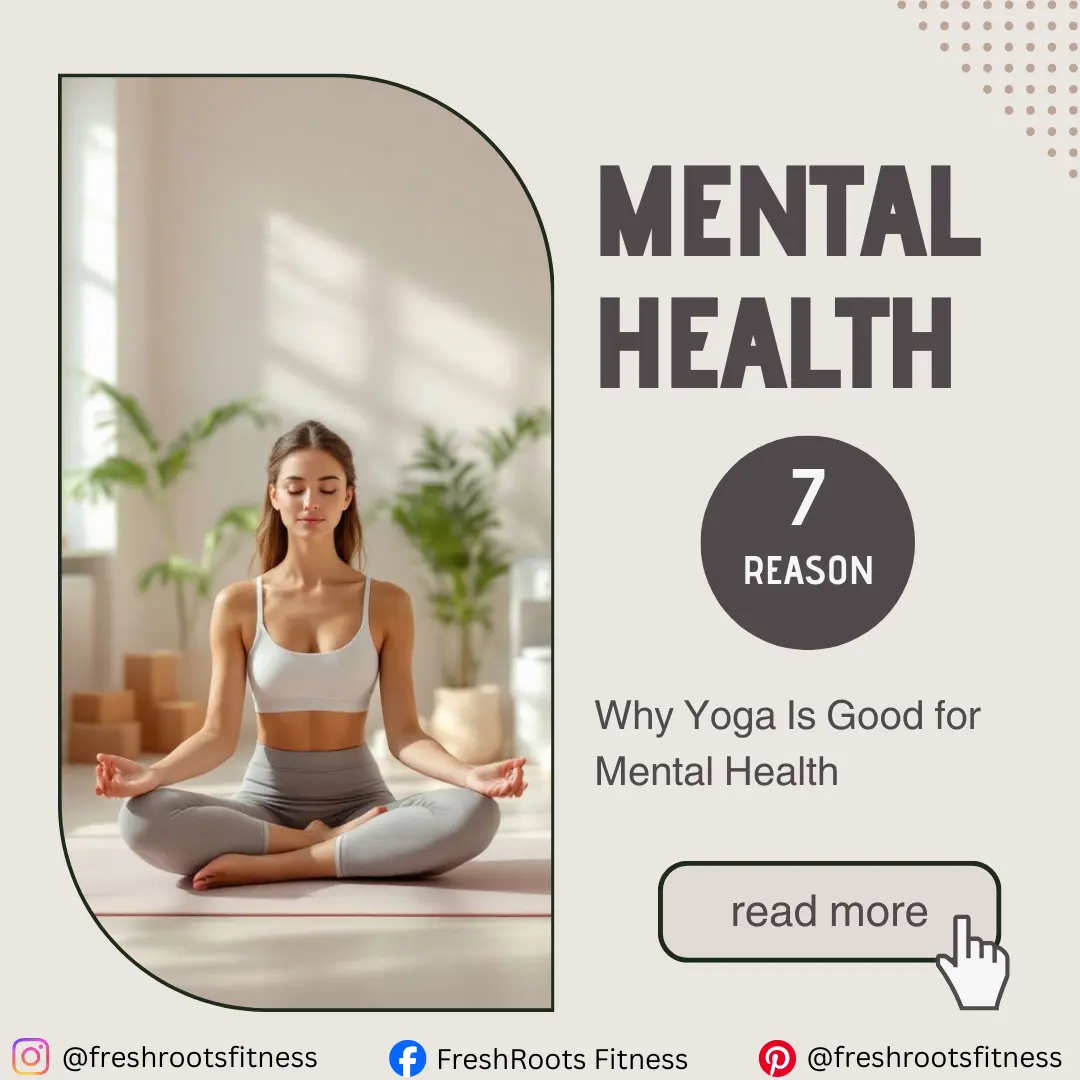
Mental health has become a major concern in today’s fast-moving lifestyle. Constant stress, anxiety and emotional overload affect how we think, feel and function daily. This is where yoga stands out as a natural, practical solution. Understanding why yoga is good for mental health can help you build emotional balance, mental clarity and inner calm without depending solely on medication.
Yoga is more than physical exercise. It combines movement, breathing and mindfulness to support the mind and body together, making it a valuable tool for overall mental well-being.
The Modern Mental Health Challenge
Modern life brings constant pressure from work deadlines, financial stress, social expectations and digital overload. These factors contribute to rising levels of anxiety, depression and chronic stress worldwide. While professional treatment options exist, many people seek additional, natural ways to support their mental health.
This growing need explains why yoga is good for mental health and why it is increasingly recommended as a supportive wellness practice.
Limitations of Traditional Mental Health Approaches
Conventional mental health treatments like therapy and medication can be helpful, but they may not be accessible or suitable for everyone.
Some common challenges include
- High costs
- Long treatment timelines
- Side effects from medications
- Limited access to mental health professionals
Yoga offers a gentle, affordable and accessible approach that can complement traditional care when practiced mindfully.
Why Yoga Is Good for Mental Health
1. Helps Reduce Stress Naturally
Yoga activates the body’s relaxation response, helping reduce stress hormones like cortisol. Through controlled breathing, slow movements and meditation, yoga calms the nervous system and helps the mind feel more relaxed.
This stress-reducing effect is a major reason why yoga is good for mental health, especially for people dealing with daily pressure.
2. Improves Mood and Emotional Balance
Regular yoga practice supports the release of neurotransmitters linked to positive mood, such as serotonin and dopamine. These chemicals help regulate emotions and promote feelings of well-being.
Over time, yoga may help improve emotional resilience and reduce mood swings.
3. Enhances Focus and Mental Clarity
Yoga encourages mindfulness, being fully present in the moment. This improves concentration, mental clarity and awareness.
By reducing mental distractions, yoga helps improve cognitive function and focus, making it easier to manage stress and anxious thoughts.
4. Supports Better Sleep Quality
Mental stress and poor sleep often go hand in hand. Yoga practices that focus on relaxation and breathing can help prepare the body for rest.
Gentle yoga routines may
- Calm racing thoughts
- Relax tense muscles
- Improve sleep patterns
Better sleep is one of the strongest reasons why yoga is good for mental health.
5. Helps Manage Anxiety and Low Mood
Yoga influences how the body responds to stress by supporting hormonal balance and nervous system regulation. Mindfulness-based yoga helps people observe thoughts without judgment, which can reduce anxious and negative thinking patterns.
With consistent practice, many people experience improved emotional stability.
6. Strengthens the Mind-Body Connection
Yoga builds awareness of physical sensations and emotional responses. This stronger mind–body connection helps people recognize stress signals early and respond more calmly.
Being more in tune with your body supports healthier emotional regulation and self-awareness.
7. Encourages Social Connection
Group yoga classes, online or offline, provide a sense of community and belonging. Social interaction plays an important role in mental well-being and can reduce feelings of isolation. Practicing yoga with others also improves motivation and consistency.
These Articles You Should Read
Bedtime Yoga and Meditation to Beat Late-Night Phone Anxiety
Yoga Poses to relieve Menstrual Cramps
7 Effective Yoga Poses to Burn Fat Naturally
10 Simple Yoga Poses Every Beginner Should Try
Yoga Poses For Screen-Time Neck & Shoulder Pain
Chair Yoga for Busy Moms
Scientific Support for Yoga and Mental Health
Research continues to support why yoga is good for mental health
- Studies show yoga helps reduce stress and anxiety by calming the “fight or flight” response
- Research indicates both short-term and long-term benefits for emotional well-being
- Brain imaging studies suggest yoga may positively influence areas linked to attention and emotional regulation
These findings highlight yoga as a supportive wellness practice, not a replacement for professional care.
How to Add Yoga to Your Mental Health Routine
If you’re new to yoga, start slowly and stay consistent.
Beginner-friendly tips
- Start with simple poses and breathing exercises
- Choose gentle styles like Hatha or Yin yoga
- Practice deep breathing for a few minutes daily
- Aim for 3-4 sessions per week
- Join a local or online yoga community
Even short, regular sessions can support mental balance over time.
Conclusion
Understanding why yoga is good for mental health helps explain its growing popularity worldwide. By reducing stress, improving mood, enhancing focus, supporting better sleep and strengthening mind–body awareness, yoga offers a holistic approach to emotional well-being.
When practiced regularly and mindfully, yoga can become a powerful part of a balanced mental health routine supporting a calmer, more resilient mind.
By Harvard Health- Yoga for better mental health
FAQs
How long does it take for yoga to improve mental health?
Some people feel relaxed after a few sessions, but long-term benefits usually appear with consistent practice over weeks.
Can yoga replace therapy or medication?
No. Yoga is a supportive practice and should not replace professional treatment when needed.
Which yoga style is best for anxiety?
Gentle styles like Hatha, Yin and restorative yoga are especially helpful for relaxation.
How often should I practice yoga for mental health?
Practicing at least 3 times a week is ideal. Daily short sessions can be even more effective.