Introduction
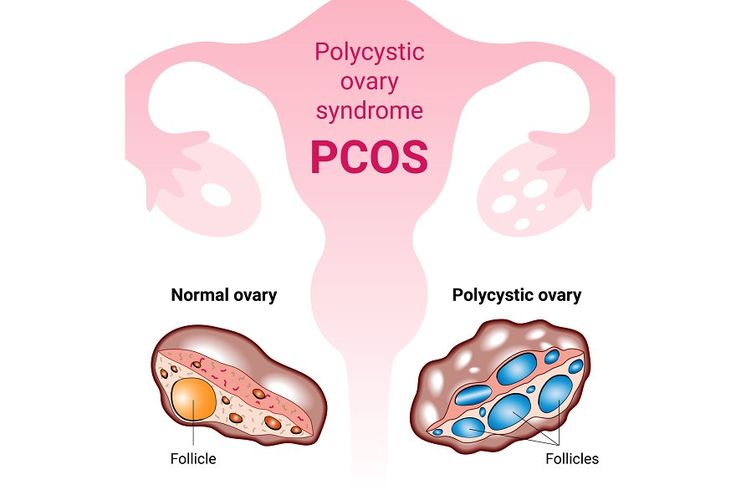
Polycystic Ovary Syndrome (PCOS) is a common endocrine disorder that affects millions of women, particularly during their reproductive years. A silver lining to PCOS, however, is that lifestyle and diet changes can naturally aid improvement. Rather than depending solely on medication, an increasing number of women have been able to find relief through diet, exercise, and everyday habits.
What is PCOS?
Due to Polycystic Ovary Syndrome being linked with hormonal discordance, it results in the ovaries producing an excess of male hormones (androgens). Androgen dominance may result in irregular menstrual cycles, acne breakouts, hirsutism, along various fertility challenges. It is associated with insulin resistance, alongside systemic inflammation, along other modifiable factors.
Common Symptoms of PCOS
- Irregular or missed periods
- Excess hair growth (face, chest, back)
- Weight gain, especially around the belly
- Acne or oily skin
- Difficulty getting pregnant
- Hair thinning on the scalp
- Mood swings or depression
Diet for Managing PCOS Naturally
Exercise, combined with the right foods, influences hormonal regulation and reduces inflammation, thereby supporting overall health. Nutrition can help manage blood sugar levels.
Foods to Eat
- Whole grains (brown rice, oats, quinoa)
- Lean protein (chicken, tofu, eggs)
- Healthy fats (avocados, nuts, seeds, olive oil)
- Low-glycemic fruits (berries, apples, oranges)
- Fiber-rich vegetables (spinach, broccoli, kale)
- Spearmint tea (shown to reduce androgen levels)
Foods to Avoid
- Refined carbs (white bread, pasta, sugary snacks)
- Processed meats (bacon, sausages)
- Sugary drinks (soda, packaged juices)
- Trans fats (fried and packaged foods)
- Dairy (for some women, it may worsen symptoms)
Sample PCOS-Friendly Meal Plan
Breakfast: Oatmeal with chia seeds and blueberries
Lunch: Grilled chicken salad with olive oil dressing
Snack: A Handful of almonds or a boiled egg
Dinner: Quinoa with mixed veggies and tofu
Lifestyle Changes to Support PCOS Management
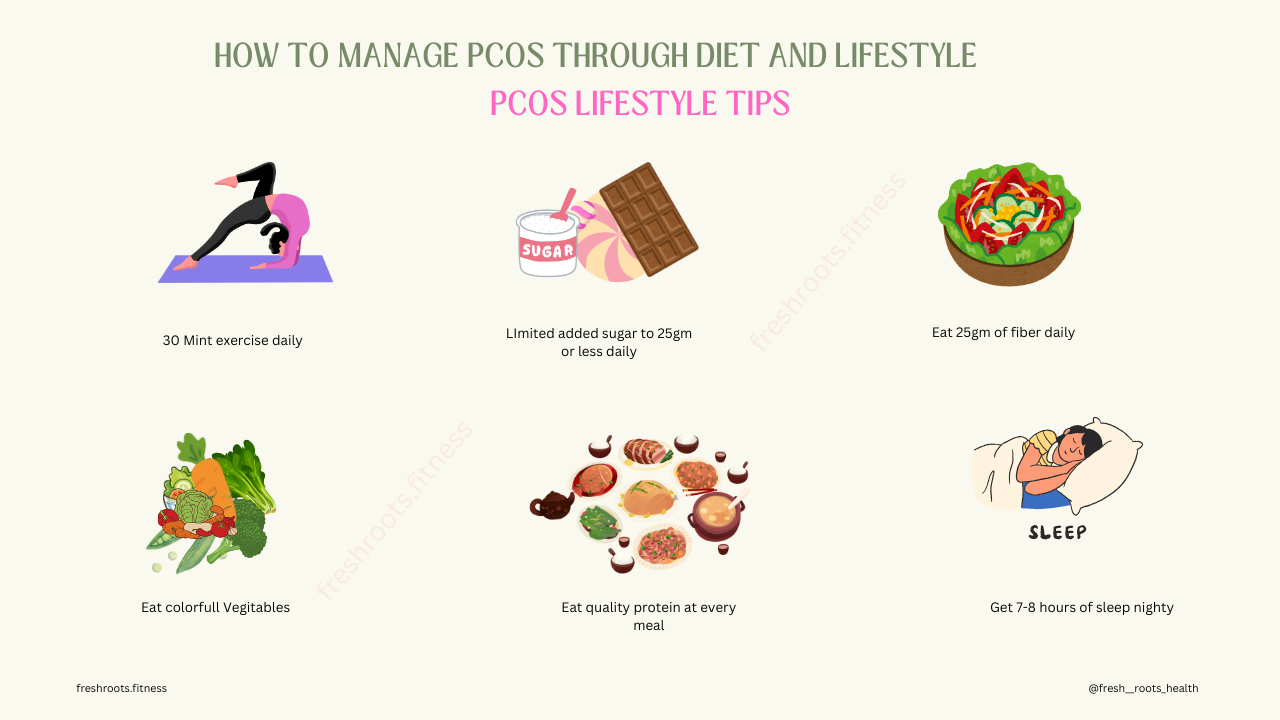
Alongside exercise and nutrition, daily routines greatly contribute to the betterment of one’s health while also managing symptoms of Polycystic Ovary Syndrome.
1. Exercise Regularly
Aim for at least 30 minutes of moderate activity 5 days a week:
- Brisk walking
- Yoga
- Strength training
- Dancing or aerobic workouts
Regular exercise improves insulin sensitivity and helps in weight management.
2. Manage Stress
Stress can make Polycystic Ovary Syndrome symptoms worse by raising cortisol levels. Try:
- Deep breathing or meditation
- Gentle yoga
- Spending time in nature
- Journaling or talking to someone
3. Prioritize Sleep
A consistent schedule where one sleeps at least 7–9 hours helps balance out hormones while reducing hunger cravings, making this crucial for maintaining hormonal balance.
4. Limit Toxins
Reduce exposure to endocrine-disrupting chemicals:
- Avoid plastic containers for food
- Use natural skincare products
- Limit fast food and packaged meals
Natural Home Remedies for PCOS (Optional Support)
- Cinnamon: Helps regulate blood sugar.
- Apple cider vinegar: May improve insulin sensitivity.
- Fenugreek seeds: Can aid in hormone regulation.
- Spearmint tea: Reduces testosterone levels naturally.
Always consult a healthcare provider before starting new remedies.
When to See a Doctor:
If there are any medical persistent concerns, such as lack of menstrual cycles, excessive shedding, or aggressive acne breakouts, it’s advisable to ring up a gynae or endocrinologist. PCOS does require medical attention, but these professionals will help tailor personalized plans essential for each individual case.
Conclusion
While PCOS may seem daunting, you can take charge of your health by adopting a natural diet and lifestyle changes. Focus on proper nutrition, exercise, limited stress levels, and prioritizing rest. You are more resilient than your symptoms! Every little effort counts.
FAQs
Q1. Is it possible to treat PCOS without medical interventions?
No, but it can be easily managed through mindful eating, regular physical activity, and effective stress management.
Q2. Which fruits are acceptable for people with PCOS?
Berries, apples, oranges, and pears are low in sugar and great choices.
Q3. Is Dairy Good or Bad For Curing PCOS?
It depends on the individual, as some women with PCOS do better with reduced or eliminated dairy.
Q4. At what frequency do people start noticing results after making healthy lifestyle changes?
Most of the time, within a 3-6 month period, positive changes become visible after adjusting certain habits consistently.
Q5. Does yoga help cure PCOS?
Yes, it does aid greatly with scoliosis because it helps relieve anxiety, actively regulates cortisol, improves body composition, too aids in controlling weight.

- How to Reduce Cholesterol Naturally With Simple Food Habits - July 4, 2026
- Early Signs of High Blood Sugar Most People Miss Daily - June 25, 2026
- How to Boost Immunity Naturally: Simple Daily Habits - June 23, 2026