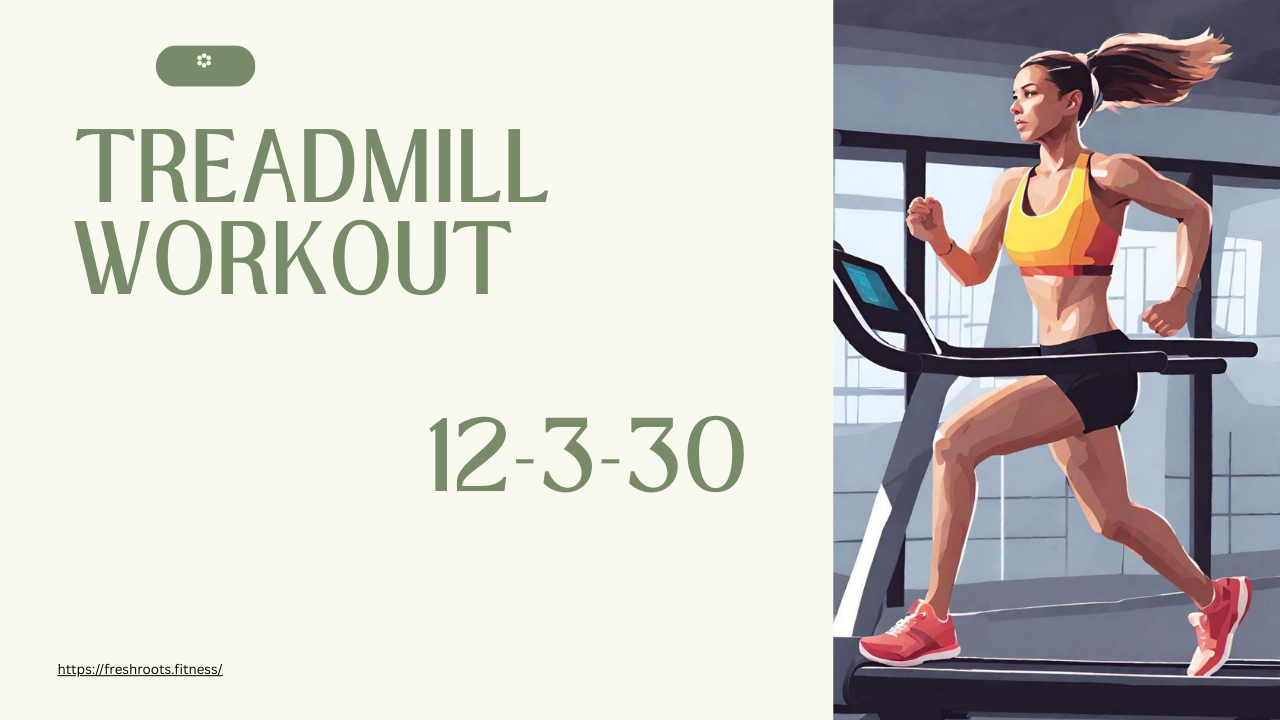
You’ve probably scrolled past it at least once. A video of someone walking on a treadmill, just walking, not running and raving about the results. No sprints. No complicated intervals. No personal trainer standing beside them calling out instructions. Just an incline, a steady pace and thirty minutes.
Your first reaction might have been the same as most people’s, who can’t actually work.
And yet the 12-3-30 treadmill workout has outlasted dozens of other viral fitness trends, not because of clever marketing, but because people who try it consistently come back with the same report it’s harder than it looks, it burns more than they expected and it’s something they can actually sustain week after week without dreading it.
That last part, sustainability, is where most workout trends fall apart. High-intensity programs get abandoned because they’re brutal. Running plans get dropped because of joint pain. Equipment-heavy routines disappear when motivation dips and the gym starts feeling like a commute. The 12-3-30 treadmill workout survives because it removes almost every barrier that causes people to quit.
This guide breaks down exactly what it is, why it works as well as it does, how to start correctly and what to do in the weeks ahead to keep seeing results.
What Is the 12-3-30 Treadmill Workout?
The formula is almost aggressively simple, which is part of why people struggle to believe it does anything.
- Incline: 12%
- Speed: 3 miles per hour
- Duration: 30 minutes
That’s the entire workout. Set the treadmill, walk for half an hour, cool down and go about your day.
The routine was popularised by social media creator Lauren Giraldo, who shared it as the workout that finally made fitness feel manageable for her. It spread quickly because the results matched the promise and because it turned out that walking at a 12% incline for 30 minutes is significantly more challenging than it sounds to anyone who hasn’t tried it.
The incline is the thing. Flat treadmill walking is comfortable, achievable and relatively easy to sustain, but it doesn’t ask a great deal of your cardiovascular system or your muscles. A 12% incline changes the equation entirely. Your heart rate elevates into the moderate-intensity zone and stays there. Your glutes, hamstrings, calves and core all engage continuously to manage the uphill stride. And the calorie burn is substantially higher than anything happening on a flat belt at the same speed.
What most people overlook is how the 12% incline also eliminates one of the most common reasons people avoid the treadmill boredom. Walking uphill at 3mph demands enough physical effort that you stay engaged without demanding so much that you spend the session watching the clock and counting down minutes.
Why the 12-3-30 Treadmill Workout Works So Well
1. Burns Significantly More Calories Than Flat Walking
This is the benefit that surprises people most and the one that makes the math of weight loss actually work without running.
Research from the American Council on Exercise has shown that walking on a 10% or greater incline can burn up to 60% more calories than flat walking at the same speed. At a 12% incline specifically, energy expenditure increases dramatically some studies suggest it can nearly double calorie output compared to level walking.
In practical terms, a 30-minute session of the 12-3-30 treadmill workout burns approximately:
- 125 lb person: 240-270 calories
- 155 lb person: 290-320 calories
- 185 lb person: 340-370 calories
These are meaningful numbers for a low-intensity walking workout. And because the session is sustainable, no pain, no joint strain, no gasping, people actually complete it consistently, which is where the cumulative calorie deficit that drives weight loss is built.
2. Low Impact and Completely Joint-Friendly
Running is effective for weight loss and cardiovascular fitness. It’s also, for a significant portion of the population, either painful, impractical or impossible. Knee problems, hip issues, excess body weight creating impact stress, post-injury recovery, there are countless reasons why running doesn’t work for everyone and yet most cardio recommendations still centre on it.
The 12-3-30 treadmill workout is a genuine alternative, not a compromise. Because the movement is walking heel-to-toe, controlled and predictable, the impact forces on joints are a fraction of what jogging or running creates. The incline increases the muscular and cardiovascular demand without increasing the impact. Your heart works harder. Your muscles work harder. Your joints are doing exactly what they do during a flat walk.
This makes the routine genuinely suitable for beginners who aren’t yet conditioned for higher-impact training, for older adults who want to stay active without aggravating joint conditions and for anyone returning to exercise after an injury or a long period of inactivity. If this sounds familiar, wanting to exercise more but being held back by joint pain or past injury, this is worth taking seriously as a starting point.
3. Strengthens the Lower Body and Core
One of the underappreciated aspects of incline walking is how much lower-body strength work it delivers alongside the cardiovascular benefit. The 12% grade means every step is a small uphill push and that push heavily recruits the glutes, hamstrings and calves in ways that flat walking simply doesn’t.
The American Council on Exercise’s research found that incline walking at 10% or more increases glute activation by approximately 80% compared to flat walking. Over weeks and months of consistent 12-3-30 sessions, this translates to genuine lower-body toning and improved definition in the glutes and thighs that most people wouldn’t expect from a walking routine.
The core engagement is less obvious but equally real. Maintaining an upright posture on a 12% incline requires active stabilisation from the abdominal muscles throughout the entire 30 minutes. This is a sustained, functional core workout rather than an isolated crunch-based one, the kind that improves everyday stability and posture rather than just adding surface definition.
Here’s the thing the combination of cardiovascular demand and simultaneous lower-body and core work in a single 30-minute session is what makes this routine so time-efficient. You’re not doing separate cardio and strength workouts, they’re happening at the same time.
4. Improves Cardiovascular Endurance
Walking at 3mph on a flat surface keeps most people’s heart rates in a comfortable zone that doesn’t particularly challenge the cardiovascular system. Add the 12% incline and the picture changes significantly. Your heart rate climbs into the moderate-intensity zone within the first few minutes and stays there for the full 30 minutes.
That sustained moderate-intensity effort is exactly what builds cardiovascular endurance over time. Your heart becomes more efficient at pumping blood. Your lungs develop greater capacity. Your body becomes better at delivering oxygen to working muscles, which means everyday activities feel easier, recovery between efforts improves and the protective benefits for long-term heart health accumulate.
The surprising part is how quickly this adaptation happens. Most people who start the 12-3-30 treadmill workout find the first session legitimately challenging. By the third or fourth week, the same incline and speed feels manageable, evidence that the cardiovascular system has adapted and improved. That improvement is the foundation for everything else.
5. Easy to Build Into a Real Habit
This benefit is rarely framed as what it actually is, a physiological and psychological advantage, not just a convenience.
The research on habit formation is detailed, the more friction there is between wanting to do something and actually doing it, the less likely it is to happen consistently. Complex workouts with multiple phases, heavy equipment requirements or high skill demands create friction. The 12-3-30 treadmill workout creates almost none.
You need one piece of equipment that millions of people already have access to, a treadmill at a gym or at home. You press three buttons. You walk for 30 minutes. That’s it. No programming. No supervision. No decision fatigue about what to do next.
And honestly, the low barrier to entry is what makes the long-term results possible. Because the real driver of fitness outcomes isn’t any single session. It’s the accumulation of dozens and eventually hundreds of sessions that each felt achievable enough to do even on days when motivation was low. The 12-3-30 workout earns its place on that list of things you’ll actually do when you don’t feel like it.
These articles you must read
Why Do I Feel Weak After a Workout?
How to Stay Consistent with Workouts
Beginner Full-Body Workout at Home
The Science Behind Incline Walking
The effectiveness of this specific treadmill workout isn’t just anecdotal. The physiological mechanisms are well understood.
At a 12% incline, the body must work against gravity more significantly than on flat ground, requiring greater muscular output from the lower body with each stride. This increased mechanical work translates directly into higher calorie burn, greater muscle recruitment and elevated heart rate, all without the impact forces that running generates.
Walking uphill also engages the posterior chain, the glutes, hamstrings and lower back more extensively than flat walking, which tends to be more quad-dominant. This is why consistent incline walking produces visible changes in glute and hamstring definition that flat treadmill walking or even some gym exercises don’t.
Additionally, the sustained moderate-intensity effort keeps the body primarily in a fat-burning energy zone throughout the session, particularly relevant for those exercising in a fasted or lightly-fasted state in the morning, when fat utilisation is naturally elevated.
How to Start the 12-3-30 Treadmill Workout
Getting the setup and form right from the beginning prevents injury and makes the session more effective.
What you need:
- A treadmill with manual incline control. (capable of reaching 12%)
- Supportive walking shoes, this is not optional. Unsupportive footwear on a 12% incline puts unnecessary strain on the ankles and knees.
- Water bottle.
- An optional heart rate monitor to track cardiovascular effort.
Step-by-step:
1. Warm-up (3-5 minutes)
Set the treadmill to 0% incline and 2.5 mph. Walk easily, swinging your arms naturally and focusing on upright posture. This is essential, as stepping onto a 12% incline cold significantly increases injury risk.
2. Set the treadmill
Bring the incline to 12% and the speed to 3 mph. Start the timer.
3. Focus on posture throughout
This is where most people make their biggest mistake holding the treadmill side rails. Avoid this. Holding the rails reduces the caloric expenditure significantly and removes the core and balance engagement that makes the workout effective. Keep your arms swinging naturally, shoulders relaxed, chest open and core lightly engaged. Look forward, not down at your feet.
4. Cool down (3-5 minutes)
Return the incline to 0% and reduce speed. Walk easily for three to five minutes to allow your heart rate to come down gradually. Stretch your calves, hamstrings and hip flexors afterward, these are the muscles that work hardest and benefit most from post-session lengthening.
Weekly Workout Plan for Beginners
If you’re new to this routine, start conservatively and build from there.
| Day | Workout | Notes |
| Monday | 12-3-30 | The first full session focuses on posture |
| Tuesday | Rest or light yoga | Active recovery |
| Wednesday | 12-3-30 | Try without holding the rails |
| Thursday | Rest or gentle stretching | Optional flat walk |
| Friday | 12-3-30 | Add music or a podcast to stay engaged |
| Saturday | 20-minute flat walk | Active recovery |
| Sunday | Optional 12-3-30 | Keep it enjoyable |
If 30 minutes feels too challenging initially, start with 15-20 minutes at 12% and build weekly. Or begin with an 8-10% incline and work up to 12% over two to three weeks. Progress should feel gradual and sustainable, not forced.
How It Helps With Weight Loss
Combined with a moderate calorie deficit, eating slightly less than you burn, consistent 12-3-30 sessions create the conditions for steady, sustainable fat loss. Users who have maintained three to four sessions per week alongside broadly sensible eating commonly report losing 5-15 pounds over a four to six week period, though individual results vary significantly based on starting weight, diet quality and consistency.
The weight loss mechanism is straightforward the sessions create a meaningful calorie deficit several times per week, the lower-body muscle development from incline walking slightly elevates resting metabolism and the sustainability of the routine means it keeps working long after the initial novelty has faded.
Tips to Get the Most Out of It
Don’t hold the handrails. This is the single most important tip. Holding the rails reduces calorie burn by up to 20% and removes the postural and core challenge that makes the workout effective. Resist the urge, even when it gets hard.
Add audio to make time pass. A podcast, audiobook or playlist specifically curated for treadmill sessions transforms 30 minutes from an endurance test into something you might actually look forward to.
Pair it with high-protein meals. The lower-body muscle engagement of incline walking responds well to protein-supported recovery. Aim for a protein-rich meal or snack within an hour of finishing.
Track weekly progress, not daily. Weight fluctuates day to day for multiple reasons unrelated to fat loss. Weekly check-ins, same day, same time, same conditions, give a much more accurate picture of progress.
Stay hydrated. Incline walking produces more sweat than flat walking at the same speed. Drink water before, during, and after each session.
Common Mistakes to Avoid
Skipping the warm-up. Stepping straight onto a 12% incline with cold muscles is an invitation to calf strains or ankle discomfort. Three minutes of flat walking costs nothing and protects weeks of training.
Gripping the handrails throughout. Discussed above, but worth repeating because it’s the most common error seen in people doing this workout.
Doing it every day without rest. Three to four sessions per week is the sweet spot for most people. Daily sessions without recovery days increase injury risk and actually slow progress by preventing the muscle adaptation that rest allows.
Wearing unsupportive footwear. A 12% incline places the foot in an extended position for 30 minutes. Flat shoes or worn-out trainers distribute that load poorly. Proper walking shoes with heel support and cushioning are a genuine requirement, not a preference.
Expecting overnight results. The first two weeks often feel like maintenance. The results accumulate from week three or four onward, and become most visible at six to eight weeks of genuine consistency.
Variations to Try as You Progress
| Variation | How It Helps |
| Incline Intervals | Alternate 2 minutes at 12% with 2 minutes at 6% for varied intensity. |
| Extend to 40 minutes | Gradual duration increase once 30 minutes feels comfortable. |
| Outdoor Hill Walking | Find a steep hill and replicate the 12-3-30 format outdoors. |
| Treadmill + Light Weights | Add light dumbbells for upper body engagement alongside the walk |
Who Is the 12-3-30 Workout Best For?
This treadmill workout is especially well-suited for:
- Beginners who find running uncomfortable or inaccessible.
- People with knee, hip or ankle concerns that rule out higher-impact cardio.
- Busy individuals who need a time-efficient, low-setup workout.
- Women looking for lower-body toning alongside cardiovascular benefit.
- Older adults seeking safe, effective weekly movement.
- Anyone who has struggled to make other workout routines stick.
Conclusion
In fitness, simple and sustainable beats complex and intense almost every time. The 12-3-30 treadmill workout has persisted long after most viral trends faded because it delivers genuine, measurable results through a formula that people can actually maintain across months, not just the first motivated week.
According to HealthLine- 3 Ways to Lose Weight with a Treadmill Workout
Thirty minutes, three or four times a week. An incline that challenges without punishing. A pace that allows you to breathe, think, listen to something you enjoy and actually finish the session.
The first time might feel surprisingly hard. The fifth time will feel more manageable. The thirtieth time, you’ll have results and a habit and results with a habit built around them are what actually last.
Set the incline. Start walking. That’s the whole thing.
FAQs
-
Is the 12-3-30 workout good for beginners?
Yes, it’s one of the most beginner-friendly cardio workouts available. If 12% feels too steep initially, start at 8-10% and build up over two to three weeks. Reduce the duration to 15-20 minutes if needed and work toward the full 30 minutes progressively.
-
How often should I do it?
Three to four days per week is ideal for weight loss results while allowing adequate recovery between sessions. More than five days per week without rest increases injury risk for most people.
-
Can I do it on a regular treadmill?
Yes, as long as your treadmill reaches a 12% incline. Most gym treadmills and many home models do. Check the machine’s specification before your first session.
-
Can I run instead of walking during the workout?
You can increase speed if the routine becomes easy, but the 12-3-30 method is specifically designed as a walking workout. Its joint-friendly, low-impact nature is the point. Running at a 12% incline creates significantly more joint stress and changes the nature of the routine entirely.

- How to Reduce Cholesterol Naturally With Simple Food Habits - July 4, 2026
- Early Signs of High Blood Sugar Most People Miss Daily - June 25, 2026
- How to Boost Immunity Naturally: Simple Daily Habits - June 23, 2026