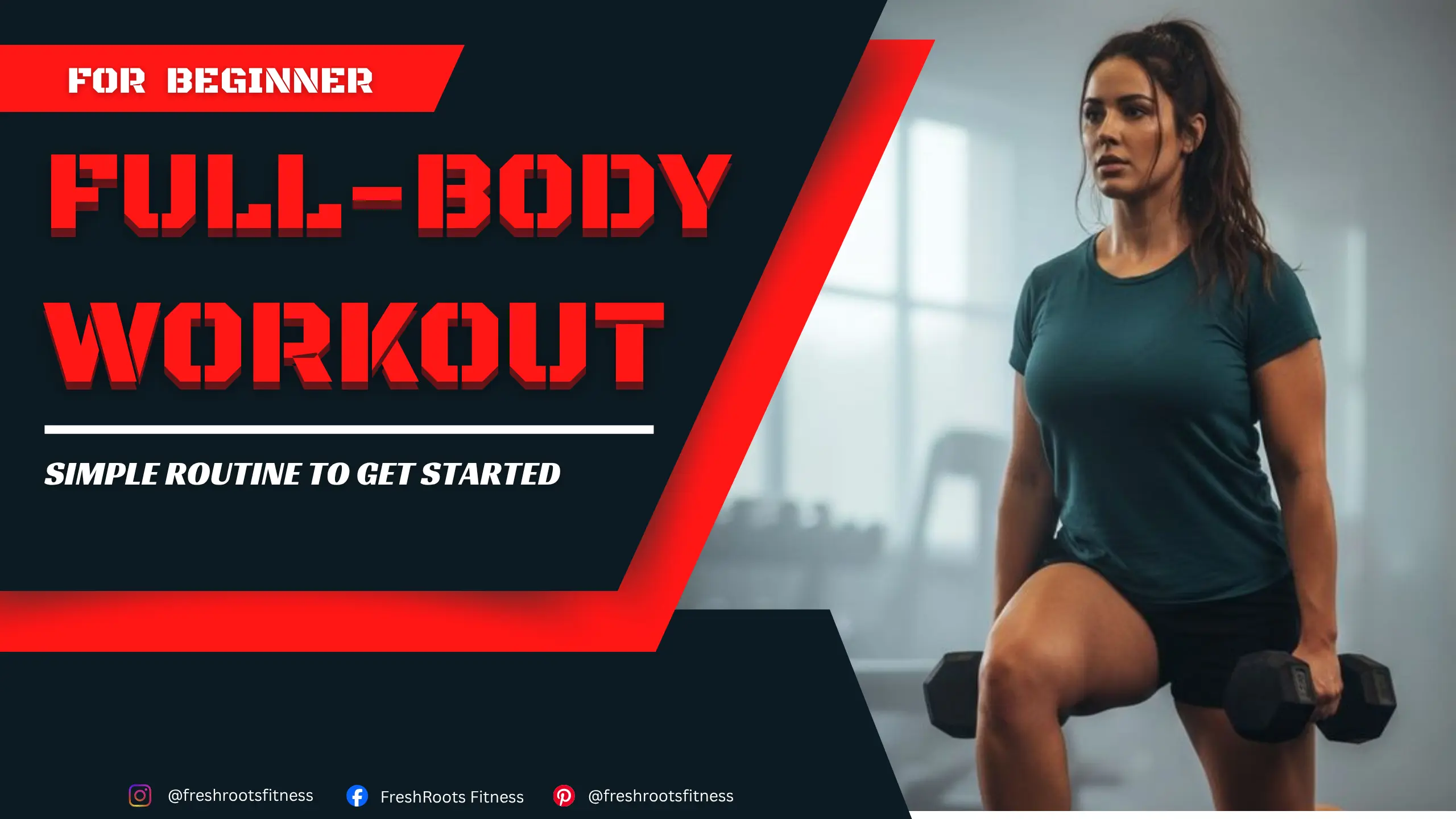
Starting a fitness journey can feel confusing, especially when you don’t know where to begin. There are countless workout plans online, but many of them feel too complicated or intense for beginners. The truth is, you don’t need a perfect plan to start. You just need a simple one.
A beginner full-body workout at home is one of the easiest and most effective ways to build strength, improve fitness and create a healthy routine without stepping into a gym.
Many people report that starting with basic exercises helps them stay consistent and avoid burnout. You don’t need equipment, experience or a lot of time, just a little commitment.
This guide will walk you through a simple routine that anyone can follow.
Why Full-Body Workouts Are Best for Beginners
When you’re just starting, focusing on your entire body is more beneficial than targeting one area at a time.
A full-body workout for beginners helps you:
- Build overall strength
- Improve coordination and balance
- Burn more calories
- Save time with one complete routine
Research suggests that full-body workouts are ideal for beginners because they activate multiple muscle groups in one session.
Experts believe that this approach creates a strong foundation for long-term fitness.
How to Prepare Before You Start
Before jumping into your beginner full-body workout at home, take a few minutes to prepare your body and mind. Choose a comfortable space where you can move freely. Wear clothes that allow easy movement.
Start with a light warm-up to wake up your muscles. This can include gentle stretching or slow movements. Avoid rushing. Starting slowly helps reduce the risk of injury and makes your workout more effective.
Beginner Full Body Workout at Home Routine
This routine is designed to be simple, effective and beginner-friendly. Focus on controlled movements and steady breathing.
1. Bodyweight Squats
Stand with your feet shoulder-width apart and slowly bend your knees as if sitting on a chair. Keep your back straight and push through your heels to stand up.
This exercise works your legs and lower body while improving balance.
2. Wall Push-Ups
Stand facing a wall and place your hands on it. Slowly bend your elbows and push your body toward the wall, then push back.
This is a gentle way to build upper-body strength and is perfect for beginners.
3. Glute Bridges
Lie on your back with your knees bent and feet flat on the floor. Lift your hips upward, hold for a second and slowly lower down.
This exercise strengthens your glutes and lower back.
4. Standing Lunges
Step forward with one leg and lower your body slightly. Push back to your starting position and switch legs.
This helps improve leg strength and stability.
5. Plank Hold
Get into a plank position with your body in a straight line. Hold for as long as comfortable while breathing steadily.
This strengthens your core and improves posture.
6. Arm Circles
Extend your arms and make small circles. This helps loosen your shoulders and improves blood flow.
Related Articles You Must Read
5 Effective Ways Rucking Workouts
Ultimate Nordic Walking for Full-Body Fitness
How Long Should You Work Out?
You don’t need long sessions to get started.
A beginner full-body workout at home can be completed in 15-20 minutes. The goal is to stay consistent rather than push too hard.
Many beginners find that shorter workouts feel more manageable and easier to stick with.
Benefits of This Routine
When practiced regularly, this routine can bring noticeable improvements.
People who follow a daily workout for beginners often experience:
- Increased strength and stamina
- Better flexibility
- Improved posture
- Reduced body stiffness
- More energy throughout the day
Experts believe that consistency is the most important factor in seeing results.
Tips to Stay Consistent
Staying consistent is often the hardest part of starting a workout routine. One effective approach is to keep your routine simple. The easier it feels, the more likely you are to continue.
Try setting a fixed time each day for your workout. This helps build a habit. Avoid aiming for perfection. Some days will feel easier than others and that’s completely normal.
Many people find that following an easy home workout plan makes it easier to stay on track.
Common Mistakes Beginners Should Avoid
One common mistake is doing too much too soon. Trying intense workouts in the beginning can lead to fatigue or injury.
Another mistake is ignoring proper form. Slow and controlled movements are more effective than rushing. Skipping warm-up or cool-down can also reduce the effectiveness of your routine. Comparing yourself with others can affect motivation. Focus on your own progress instead.
When Will You See Results?
The results of a beginner’s full-body workout at home depend on consistency and effort. Some people feel more active and energized within a few days.
Over time, you may notice:
By HealthLine- 30 Moves At-Home Workout
- Better strength and endurance
- Improved flexibility
- More confidence in your fitness routine
Studies indicate that regular physical activity supports both physical and mental well-being.
Conclusion
Starting your fitness journey doesn’t have to be complicated.
A simple beginner full-body workout at home can help you build strength, improve your health and create a routine that lasts. The key is to start small, stay consistent and listen to your body. With time and patience, you’ll see progress and feel more confident in your fitness journey.
FAQs
-
Is a full-body workout good for beginners?
Yes, it helps build overall strength and improves fitness efficiently.
-
How often should beginners workout?
3-4 times a week is a good starting point.
-
Do I need equipment for this workout?
No, this routine uses simple bodyweight exercises.
-
How long should a beginner’s workout last?
15-20 minutes is enough to start.
-
Can I do this workout daily?
Yes, but make sure to listen to your body and rest if needed.

- How to Reduce Cholesterol Naturally With Simple Food Habits - July 4, 2026
- Early Signs of High Blood Sugar Most People Miss Daily - June 25, 2026
- How to Boost Immunity Naturally: Simple Daily Habits - June 23, 2026