You wake up feeling a little off. Maybe you’re more tired than usual even after a full night’s sleep. Maybe you keep reaching for water every hour or maybe your head has been pounding on and off for no clear reason.
Most of us chalk these things up to a hectic week, too much coffee or just getting older. But what if your body was quietly sending you a warning and you were missing it?
The early signs of high blood sugar are sneaky. They don’t show up as dramatic symptoms that send you rushing to a doctor. Instead, they blend right into your everyday life, disguised as things that seem completely normal. That’s exactly what makes them so easy to ignore and exactly why so many people go months or even years without realizing something is off.
High blood sugar or hyperglycemia isn’t something that only affects people already diagnosed with diabetes. It can creep up on anyone, especially with today’s diet, stress levels and sedentary routines.
Knowing what to look for could genuinely change the course of your health. This guide breaks down what high blood sugar really feels like in the early stages, why it happens and what you can do about it starting today.
What Are the Early Signs of High Blood Sugar?
When your blood glucose rises above normal levels, your body starts working harder to compensate. But in the early stages, this compensation feels subtle rather than alarming. That’s the problem.
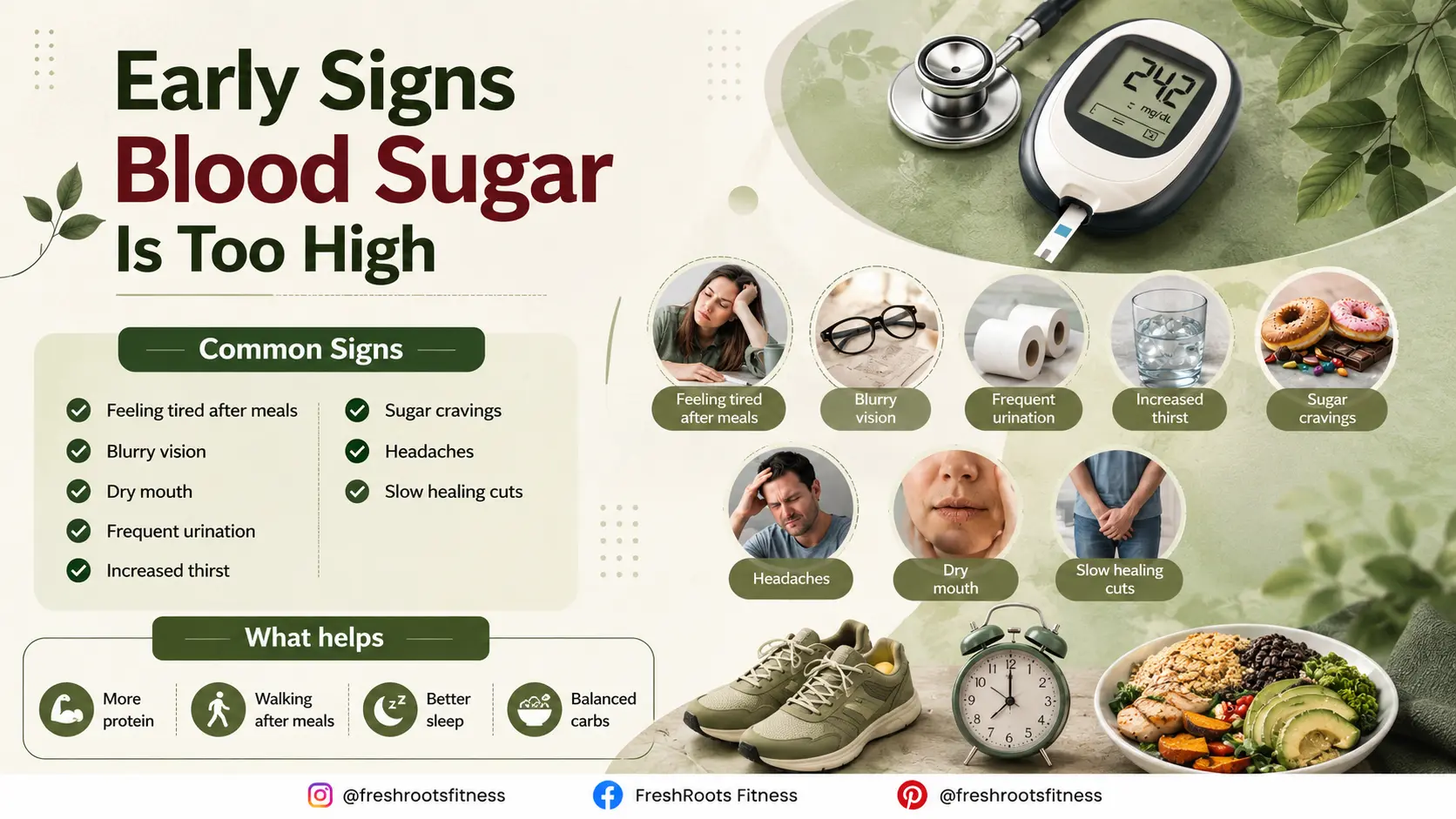
The early signs of high blood sugar tend to be things most people dismiss, such as always feeling thirsty, needing to use the bathroom more than usual or feeling oddly tired after a decent meal. These symptoms don’t scream “blood sugar problem.” They make you feel like something is slightly off without a clear explanation.
Research suggests that many people live with mildly elevated blood sugar for months before getting a diagnosis, often because the symptoms seem too ordinary to take seriously. By the time more obvious signs appear, glucose levels have already been elevated long enough to start doing quite a bit of damage.
Here’s the important thing to understand high blood sugar doesn’t only mean diabetes. There’s a whole spectrum from slightly elevated fasting glucose to prediabetes to type 2 diabetes. Catching it early means you have more options and better outcomes.
The earlier you recognize the early signs of high blood sugar, the sooner you can take action. And that matters more than most people realize.
Common Causes of High Blood Sugar
To understand the signs, it helps to understand why blood sugar rises in the first place. There’s rarely a single cause it’s usually a combination of factors that build over time.
Poor Diet and Refined Carbohydrates
What you eat has a direct and almost immediate impact on blood glucose. Refined carbohydrates, such as white bread, white rice, pastries, sugary cereals and packaged snacks, are digested quickly and cause blood sugar to spike sharply within minutes of eating. Unlike fiber-rich complex carbs that break down slowly, these foods flood your system with glucose faster than your body can handle.
Sugary drinks are particularly problematic. A single can of soda or a large fruit juice can push blood sugar higher than eating a full meal in some cases.
A Sedentary Lifestyle
Your muscles are one of the main places your body stores and uses glucose. When you’re physically active, your muscles pull glucose from the blood to use as energy, naturally bringing levels down. When you’re sitting most of the day, that glucose has nowhere to go.
Experts believe that even short bursts of movement throughout the day, such as a 10-minute walk, standing up and stretching regularly, can make a real difference in how well your body manages blood sugar over time.
Chronic Stress
This is the one most people don’t expect. When you’re under stress, your body releases cortisol and adrenaline as part of the fight-or-flight response. These hormones signal your liver to release stored glucose into the bloodstream, giving you quick energy to deal with a perceived threat.
If you’re stressed day after day, your body keeps releasing glucose and your blood sugar stays elevated even without eating badly. Many people don’t connect the dots between their stress load and their blood sugar levels.
Poor Sleep Quality
Studies indicate a strong link between sleep deprivation and blood sugar dysregulation. When you consistently sleep less than seven hours, your body’s insulin sensitivity drops, meaning your cells don’t respond to insulin as efficiently and glucose builds up in the bloodstream. Poor sleep also drives up cortisol, which compounds the problem.
Insulin Resistance
Over time, often years, your cells can gradually stop responding to insulin as well as they should. This is called insulin resistance and it’s one of the most common underlying causes of chronically high blood sugar. It develops silently, often with no clear symptoms, until blood sugar levels are already significantly elevated.
Signs and Symptoms You Shouldn’t Ignore
Here’s where most people realize, sometimes with a shock, that what they’ve been brushing off for months actually had a name. These are the early signs of high blood sugar that consistently go unrecognized.
Constant, unexplained thirst
If you’re drinking water all day but still feel thirsty, this is a classic early warning. When blood sugar is high, your kidneys work overtime trying to flush out the excess glucose through urine, pulling water with it. The result is a cycle of dehydration and thirst that water alone can’t fix.
More frequent trips to the bathroom
This goes hand in hand with increased thirst. Your kidneys filter and excrete more liquid when they’re processing excess glucose. Many people notice they’re getting up at night more often or making more bathroom trips during the day. Most attribute it to drinking more, not realizing the driving force is blood sugar.
Persistent, unexplained fatigue
Feeling tired despite sleeping is one of the most common early signs of high blood sugar. When glucose can’t enter your cells efficiently, your body is essentially running on empty. It doesn’t matter how much food you eat if the fuel isn’t getting where it needs to go, you’ll feel exhausted.
Blurry or fluctuating vision
Elevated blood glucose causes fluid to shift in and out of the lenses of your eyes. This swelling changes the shape of the lens temporarily, affecting how clearly you see. Many people report their vision going in and out of focus throughout the day, especially in the afternoon.
Recurring headaches
Mild but persistent headaches are a frequently overlooked early warning sign. They’re easy to blame on dehydration, screens or stress, but they can also be a signal that blood sugar is running high.
Wounds that heal more slowly than they should
High blood glucose impairs circulation and reduces the efficiency of your immune response. Many people report that small cuts, scrapes and bruises seem to take noticeably longer to heal. This is the kind of thing that’s easy to dismiss until you start comparing your healing time to what it used to be.
Intense hunger shortly after eating
If your cells can’t access glucose properly, they send hunger signals to your brain even when your blood is actually full of sugar. This is why some people with high blood sugar feel hungry almost constantly, even right after a full meal.
Tingling or numbness in hands and feet
Over time, elevated blood sugar can begin affecting nerve function. A pins-and-needles sensation or mild numbness in the extremities can be an early indicator that blood sugar has been elevated long enough to start irritating the nerves.
How to Manage the Early Signs of High Blood Sugar
Recognizing the signs is only step one. The next step is doing something about it and the good news is that early action gives you the most options.
Start with your plate
The fastest place to see results is usually your diet. Cutting back on refined carbohydrates and replacing them with complex carbs, such as oats, legumes, brown rice and vegetables, slows glucose absorption significantly. Fiber acts as a buffer, preventing the sharp spikes that happen after eating refined foods.
Adding more protein and healthy fats to meals also helps. Both slow digestion and help keep blood sugar more stable throughout the day.
Move more consistently
You don’t have to go to the gym to make a difference. Research suggests that a 20-30 minute walk most days of the week can significantly improve how your body handles glucose. Walking specifically after meals has shown strong results. Your muscles use the post-meal glucose surge for energy, which naturally brings levels down.
Hydrate properly
Staying well-hydrated helps your kidneys flush out excess glucose more effectively. Aim for at least eight glasses of water per day. Avoiding sugary drinks, fruit juices and sports drinks is equally important, as they spike blood sugar rapidly and often go unnoticed as a source of the problem.
Address your stress directly
Managing stress isn’t just about mental health it has a direct effect on blood sugar. Even simple habits like daily deep breathing, a short walk outside or 10 minutes of quiet time before bed can lower cortisol levels and reduce stress-driven blood sugar spikes.
Know your numbers
If you’re noticing symptoms, getting a simple fasting blood glucose test is quick and easy. Home glucose monitors are affordable and widely available. Having actual data is far more useful than guessing. It also gives you a baseline to track whether your lifestyle changes are working.
Daily Habits That Support Healthy Blood Sugar
Prevention is built into routine. You don’t need a dramatic overhaul, just consistent small habits that work together over time.
- Eat balanced meals, pair carbohydrates with protein, healthy fat and fiber at every meal.
- Don’t skip meals erratic eating patterns cause blood sugar to swing unpredictably.
- Prioritize sleep, treat seven to eight hours as a health requirement, not a luxury.
- Limiting alcohol disrupts blood sugar regulation, especially on an empty stomach.
- Eat slowly, eating too fast leads to overeating and faster glucose spikes.
- Load up on non-starchy vegetables high in fiber, low-impact on blood sugar, and filling.
- Managing stress daily, even short mindfulness or breathing practices, makes a measurable difference.
Small habits, practiced consistently, build real results. Pick one or two to start with and build from there.
When to See a Doctor
Lifestyle changes are powerful, but there are situations where you need professional guidance. Don’t delay if you notice any of the following:
- Symptoms are persistent and getting worse over time.
- You’re experiencing both intense thirst and frequent urination together.
- You have a family history of diabetes or prediabetes.
- Your fasting blood sugar reads consistently above 100 mg/dL.
- You feel confused, nauseated or have difficulty breathing.
- You’re pregnant and experiencing unusual thirst or fatigue.
A doctor can order a comprehensive blood panel, including an HbA1c test, which measures your average blood sugar over the past two to three months. Early diagnosis opens the door to intervention before complications develop.
What to Expect When You Take Action Early
The encouraging reality is that high blood sugar caught early, before it becomes a formal diabetes diagnosis, is very responsive to lifestyle changes.
Many people report noticeably improved energy, better sleep, and reduced hunger within two to four weeks of dietary changes and increased physical activity. Blood sugar levels can respond surprisingly quickly when the right inputs are changed.
Studies indicate that losing even 5-7% of body weight (in those who are overweight) can significantly improve insulin sensitivity. That might mean 10-15 pounds for many people, a realistic and meaningful goal.
Timeline varies based on how long blood sugar has been elevated, individual health factors and consistency. But one thing stays consistent earlier action equals more options, faster results and fewer long-term complications. The earlier you start, the less you have to undo.
Conclusion
Your body rarely goes completely silent when something is wrong. It sends signals, quiet ones at first. The early signs of high blood sugar are exactly that kind of quiet signal.
Constant thirst. Fatigue that rest doesn’t fix. Frequent bathroom trips. Blurry vision. Slow-healing wounds. Headaches that just keep coming back. Individually, these things seem minor. Together, they can be your body telling you something important.
The reassuring part? Catching high blood sugar early means you have real choices. Many people can bring their levels back into a healthy range through diet, movement, sleep and stress management without medication. That’s not guaranteed for everyone, but for many people, it’s absolutely possible.
Start by paying attention. Notice what your body is telling you. Get your levels checked if you recognize these signs. And if something doesn’t feel right, act on it.
According to Everydayhealth – 9 Signs Your Blood Sugar Is Too High
Your long-term health is built in the choices you make today. This is a good place to start.
FAQs
-
What foods spike blood sugar the fastest?
Refined carbohydrates and sugary foods are the biggest culprits white bread, white rice, pastries, candy, soda, fruit juices and most packaged snack foods. These digest rapidly and push glucose into the bloodstream quickly, often causing sharp spikes within 30-60 minutes of eating.
-
Can stress cause high blood sugar even without eating badly?
Yes. Stress hormones, particularly cortisol and adrenaline, trigger your liver to release stored glucose into the blood as part of the fight-or-flight response. Chronic stress can keep blood sugar elevated consistently, independent of diet. Many people are surprised to find that managing stress is a meaningful part of blood sugar control.
-
How long can high blood sugar go undetected?
It’s very common for mildly elevated blood sugar to go undetected for months or even years. Because early symptoms are subtle and easy to attribute to other causes, many people only find out through a routine blood test. This is one of the strongest arguments for getting a blood glucose check as part of an annual physical.
-
What are the earliest signs of high blood sugar most people miss?
The most commonly overlooked early signs of high blood sugar include persistent fatigue, frequent urination, constant thirst, blurry vision, recurring headaches and wounds that take longer to heal. These symptoms are easy to dismiss as everyday tiredness or stress, which is why they often go unnoticed for months.
-
Can you have high blood sugar without having diabetes?
Yes, absolutely. High blood sugar is not exclusive to people with a diabetes diagnosis. Prediabetes, insulin resistance, chronic stress, poor diet and low physical activity can all cause blood sugar to run higher than normal in people who have never been diagnosed with any condition.
-
What is a normal fasting blood sugar level?
A normal fasting blood sugar reading is generally between 70 and 99 mg/dL. Readings between 100 and 125 mg/dL are considered prediabetes. A reading of 126 mg/dL or higher on two separate occasions typically indicates diabetes. These ranges may vary slightly by lab, so always confirm with your doctor.

- How to Reduce Cholesterol Naturally With Simple Food Habits - July 4, 2026
- Early Signs of High Blood Sugar Most People Miss Daily - June 25, 2026
- How to Boost Immunity Naturally: Simple Daily Habits - June 23, 2026