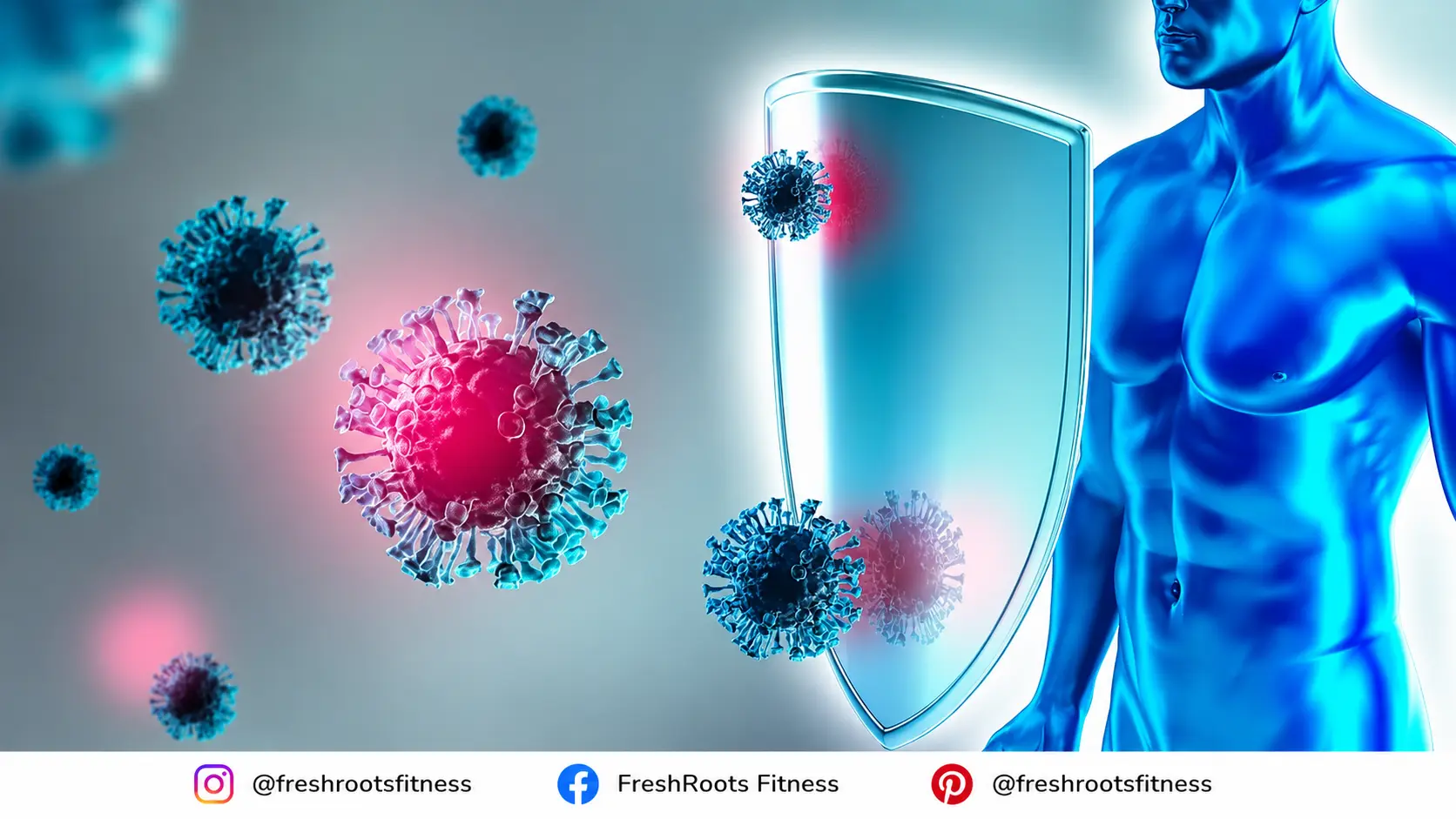
Think about the last time you got sick. Maybe it was a stubborn cold that just wouldn’t quit or a bout of fatigue that knocked you out for days. Most of us only start thinking about our immune system when something goes wrong, when the sneezing starts or the fever kicks in.
But here’s the truth your immune system is working around the clock, every single day, quietly protecting you from bacteria, viruses and all kinds of threats. And like any system, it performs best when you take care of it consistently, not just when you’re already sick.
If you’ve been wondering how to boost immunity naturally, you’re asking exactly the right question. The good news is that you don’t need expensive supplements or complicated routines. Some of the most effective immune-supporting habits are surprisingly simple and you can start today.
In this guide, we’ll walk through practical, research-backed strategies to strengthen your immune system through food, sleep, movement, stress management and more. Small daily choices really do add up and your body will thank you for them.
What Does Your Immune System Actually Do?
Before jumping into the tips, it helps to understand what you’re working with.
Your immune system is a complex network of cells, tissues and organs that work together to defend your body against harmful invaders. White blood cells, antibodies, the lymphatic system, the spleen and bone marrow all play a role. When a virus or bacteria enters your body, your immune system identifies it, mounts a response and works to eliminate it.
The challenge is that many modern lifestyle habits, such as poor diet, chronic stress, lack of sleep and physical inactivity, can weaken this defense system over time. Research suggests that when the immune system is compromised, not only do you get sick more often, but recovery also takes much longer.
The flip side? Equally well-supported by science. When you consistently take care of your body through nutrition, rest and healthy habits, your immune response improves noticeably. Learning how to boost immunity naturally is really about giving your body the conditions it needs to do its job well.
How Your Diet Shapes Your Immune Response
What you eat is probably the single biggest factor in your immune health. Your immune cells need specific vitamins, minerals and antioxidants to function properly and they get most of those from food.
Load Up on Fruits and Vegetables
Colorful fruits and vegetables are packed with vitamins C, A and E, along with powerful antioxidants that protect immune cells from damage. Vitamin C, in particular, is well-known for its role in supporting the production and function of white blood cells.
Studies indicate that adults who eat five or more servings of fruits and vegetables daily have a stronger immune response compared to those who don’t. Think oranges, strawberries, bell peppers, broccoli, kale, sweet potatoes and carrots.
Variety matters here. Different colors represent different nutrients, so the more diverse your plate, the broader the nutritional support you’re giving your immune system.
Add Zinc-Rich Foods to Your Routine
Zinc is a mineral that plays a critical role in immune cell development and inflammatory response. Experts believe that even a mild zinc deficiency can significantly impair immune function. Good sources include pumpkin seeds, chickpeas, lentils, beef, cashews and fortified cereals.
Don’t Underestimate Probiotics
Your gut is home to a massive portion of your immune system roughly 70% of immune cells live in the gut lining. When your gut microbiome is healthy, your immune system is better equipped to fight off pathogens.
Many people report improvements in their overall health and immunity after regularly including fermented foods in their diet. Yogurt with live cultures, kefir, kimchi, sauerkraut, miso and kombucha are all excellent probiotic sources.
Limit Sugar and Processed Foods
Research suggests that high sugar intake can temporarily suppress the activity of white blood cells. Processed foods high in refined carbohydrates, unhealthy fats and preservatives create chronic low-grade inflammation in the body, which, over time, weakens immune defenses.
This doesn’t mean you can never enjoy a treat, it means making whole, nutrient-dense foods the foundation of your diet rather than the exception.
The Role of Sleep in Natural Immunity
If there’s one non-negotiable for immune health, it’s sleep. And yet it’s the first thing most people sacrifice when life gets busy.
While you sleep, your body produces and releases cytokine proteins that play a key role in immune signaling and fighting infections. Studies indicate that people who sleep less than six hours a night are significantly more likely to catch a cold when exposed to a virus compared to those who sleep seven or more hours.
Think of sleep as your immune system’s maintenance window. It’s when your body repairs tissue, consolidates immune memory and recharges its defenses.
Here are some habits to improve your sleep quality naturally:
- Stick to a consistent sleep and wake time, even on weekends.
- Keep your bedroom cool, dark and quiet.
- Avoid screens for at least 30-60 minutes before bed.
- Cut back on caffeine after 2 PM.
- Wind down with a calming routine, reading, light stretching or deep breathing.
Most adults need between 7 and 9 hours of quality sleep per night. If you’re consistently getting less than that, your immune system is very likely paying the price.
How to Boost Immunity Naturally Through Exercise
Regular physical activity is one of the most well-researched immune boosters available and it costs nothing.
Moderate exercise improves circulation, which allows immune cells to move through the body more efficiently. It also reduces chronic inflammation, lowers stress hormones and supports a healthy weight, all of which contribute to stronger immune function.
Experts believe that 30 minutes of moderate exercise five days a week is enough to produce measurable immune benefits. Brisk walking, cycling, swimming, yoga or a light jog all count.
One important caveat overtraining can actually suppress immunity. Athletes who train intensively without adequate recovery are known to be more susceptible to upper respiratory infections. Balance is the key consistent, moderate movement is the sweet spot.
Even simple changes like taking the stairs, walking after meals or doing a 20-minute morning stretch can make a meaningful difference over time.
Stress Management: The Silent Immune Killer
Chronic stress is one of the most damaging and most overlooked threats to immune health.
When you’re stressed, your body releases a hormone called cortisol. In short bursts, cortisol is helpful, it sharpens your focus and prepares you to handle a challenge. But when stress is constant, elevated cortisol levels suppress the production of white blood cells and reduce the body’s ability to mount an effective immune response.
Research suggests that people who experience prolonged psychological stress are more vulnerable to infections, slower to recover from illness and even less responsive to vaccines.
Managing stress is therefore directly linked to naturally boosting immunity. Here are some approaches that genuinely work:
- Mindfulness meditation: Even 10 minutes a day can reduce cortisol levels and improve immune markers.
- Deep breathing exercises: Slow, diaphragmatic breathing activates the parasympathetic nervous system and calms stress responses.
- Journaling: Writing down your thoughts and worries can reduce mental load and improve emotional regulation.
- Spending time in nature: Studies indicate that time outdoors, even a short walk in a park, lowers stress hormones and supports immune function.
- Social connection: Positive relationships and regular social interaction are consistently linked to better immune outcomes.
You don’t have to do all of these at once. Pick one or two that feel manageable and build from there.
Hydration, Sunlight and Other Natural Immune Supporters
Sometimes the most effective immune habits are also the simplest.
Stay Well Hydrated
Water is essential for producing lymph, the fluid that carries immune cells through the body. Even mild dehydration can slow this process and impair immune response. Aim for 8-10 glasses of water daily and more if you’re active or in a hot climate.
Get Enough Vitamin D
Vitamin D is often called the “sunshine vitamin,” and its connection to immunity is well established. Many immune cells have vitamin D receptors and a deficiency in this vitamin is associated with increased susceptibility to infections.
Spending 15-30 minutes in morning sunlight daily can support healthy vitamin D levels. For people in colder climates or those who spend most of their time indoors, a vitamin D supplement may be worth discussing with a doctor.
Include Immune-Supportive Herbs and Spices
Several traditional herbs and spices have been used for centuries to support immune health and modern research is beginning to back many of them up.
- Garlic: Contains allicin, a compound with antimicrobial and immune-modulating properties.
- Ginger: Known for its anti-inflammatory and antioxidant effects.
- Turmeric: Contains curcumin, which research suggests may help regulate immune responses.
- Echinacea: Some studies indicate it may shorten the duration of colds when taken at the first sign.
These are best used as regular parts of your cooking or as herbal teas, not as instant cures.
Quit Smoking and Limit Alcohol
Smoking damages the mucosal lining of the airways, one of the body’s first lines of defense against pathogens. Alcohol, when consumed in excess, disrupts gut microbiome balance and suppresses the production of immune cells. Both habits significantly weaken immune defenses over time.
Lifestyle Habits That Build Long-Term Immune Strength
Building immunity isn’t a one-time project it’s a lifestyle. Here are some daily habits worth adding to your routine consistently:
- Wash your hands regularly, it’s one of the most effective ways to prevent infections from reaching your immune system in the first place.
- Maintain a healthy weight, obesity is associated with chronic inflammation and reduced immune function.
- Avoid antibiotics unless necessary, as overuse disrupts gut bacteria and contributes to antibiotic resistance.
- Practice good oral hygiene oral bacteria can enter the bloodstream and affect immune health.
- Limit screen time before bed blue light disrupts melatonin production and reduces sleep quality.
- More research suggests that laughter actually increases natural killer cell activity and boosts immunity.
Small, consistent habits are far more powerful than dramatic short-term fixes.
When to See a Doctor
While natural habits are powerful, there are times when professional support is necessary. See a doctor if you notice:
- Getting sick very frequently, more than four or five times a year.
- Infections that last unusually long or keep coming back.
- Extreme fatigue that doesn’t improve with rest.
- Slow-healing wounds or recurring skin infections.
- Unexplained weight loss alongside frequent illness.
- Swollen lymph nodes that persist for more than two weeks.
These could indicate an underlying immune deficiency or another medical condition that needs proper evaluation. A doctor can run blood tests to assess your immune markers and identify any deficiencies, such as low vitamin D, zinc or B12, that may be contributing to your symptoms.
Natural habits are a powerful foundation, but they work best alongside proper medical care when needed.
How Long Before You See Results?
One of the most common questions people ask when starting immune-supportive habits is how long will this take?
The honest answer it depends on where you’re starting from and how consistent you are.
- Dietary changes: Some improvements in energy and well-being can be noticed within 2-4 weeks of eating a more nutrient-dense diet
- Sleep improvements: Many people report a stronger immune response and fewer sick days within a month of consistently sleeping 7-8 hours
- Exercise benefits: Studies indicate that regular moderate exercise produces measurable immune improvements within 4-6 weeks
- Stress reduction: Consistent mindfulness or relaxation practices show measurable cortisol reduction within 4-8 weeks
There’s no shortcut. But the habits that support immunity are the same ones that improve your energy, mood, focus and overall quality of life, so the rewards go far beyond just not getting sick.
Conclusion
Your immune system doesn’t get strong overnight. It’s built quietly and steadily through the choices you make every single day. What you eat, how you sleep, how you move, how you manage stress, all of it adds up.
If you’ve been looking for how to boost immunity naturally, you now have a clear, practical roadmap. You don’t need to overhaul your entire life at once. Start with one habit. Maybe it’s adding an extra serving of vegetables to dinner. Maybe it’s committing to 7 hours of sleep. Maybe it’s a 20-minute walk three times a week.
Each small step strengthens the foundation. Over time, those small steps become a lifestyle and that’s where lasting immunity lives.
Your body is incredibly capable of protecting you. Give it the support it deserves.
By Harvard Health – How to boost your immune system
FAQs
-
Is vitamin C enough to boost immunity on its own?
Vitamin C is an important immune nutrient, but it’s not a magic bullet. It works best as part of a broader immune-supporting lifestyle, good sleep, balanced diet, exercise and stress management. Relying on vitamin C alone while neglecting other habits won’t give you strong or lasting results.
-
How does stress affect the immune system?
Chronic stress elevates cortisol, which suppresses the production and activity of immune cells. People under persistent stress get sick more often, recover more slowly and may not respond as well to vaccines. Managing stress is a direct and powerful way to support immunity.
-
Does exercise really help boost immunity naturally?
Yes. Research consistently shows that regular moderate exercise improves immune cell circulation, reduces chronic inflammation and lowers stress hormones, all of which contribute to a stronger immune response. Aim for 30 minutes of moderate activity most days.
-
What is the fastest way to boost immunity naturally?
There’s no single “fastest” way, but combining a few habits at once produces quicker results. Focus on improving your sleep, eating more fruits and vegetables, staying hydrated and managing stress simultaneously. Many people notice improvements in energy and resilience within 2-4 weeks.
-
Can I boost my immunity naturally without supplements?
Yes, absolutely. Whole foods, adequate sleep, regular exercise, stress management and hydration are the core pillars of natural immune health. Supplements can be helpful for specific deficiencies, but they’re not required if your diet and lifestyle are well-balanced.
-
Which foods weaken the immune system?
Foods high in refined sugar, trans fats and artificial additives are known to promote inflammation and suppress immune cell activity. Excess alcohol and highly processed snack foods are also linked to reduced immune function over time.

- How to Reduce Cholesterol Naturally With Simple Food Habits - July 4, 2026
- Early Signs of High Blood Sugar Most People Miss Daily - June 25, 2026
- How to Boost Immunity Naturally: Simple Daily Habits - June 23, 2026