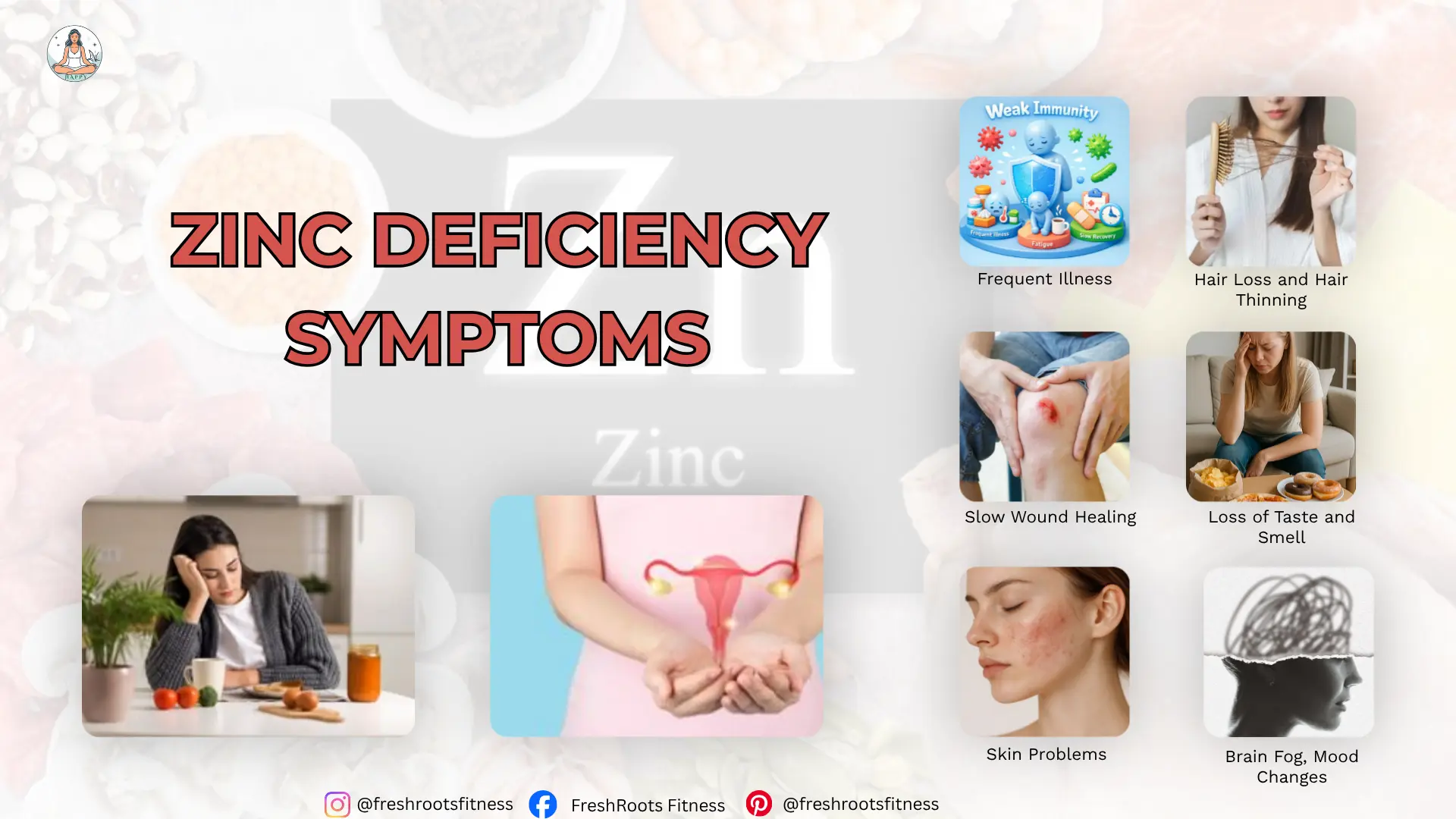
You’re getting sick more often than you used to. Your wounds seem to heal more slowly. Your hair is thinning and your skin looks dull no matter what you put on it. You’ve lost interest in food and everything tastes a little off. You’re tired but can’t quite explain why.
These kinds of symptoms are easy to chalk up to stress, aging or just being run down. But together, they paint a picture that points to something specific and surprisingly common zinc deficiency symptoms that go unrecognized for months, sometimes years.
Zinc is an essential trace mineral involved in over 300 enzymatic reactions in the human body. It plays a critical role in immune function, wound healing, DNA synthesis, protein production, cell division and even your ability to taste and smell. Yet despite how fundamental it is, zinc deficiency is one of the most widespread nutritional deficiencies globally, affecting an estimated two billion people worldwide, according to researchers.
The challenge is that zinc deficiency rarely announces itself dramatically. It creeps in gradually, showing up as a collection of vague, seemingly unrelated symptoms that are easy to attribute to other causes. That’s exactly why so many people spend months feeling suboptimal without ever identifying the root cause.
This guide covers the full picture of every major zinc deficiency symptom, why they happen, who is most at risk, the best food sources to rebuild zinc levels and when supplementation makes sense.
What Zinc Actually Does in Your Body
Understanding why zinc deficiency causes such a wide range of symptoms starts with understanding how many systems depend on it.
Zinc is present in every cell of the human body. It acts as a cofactor for hundreds of enzymes, meaning these enzymes simply cannot function without it. It is essential for:
- Immune defense – Zinc is required for the development and activation of T-lymphocytes (T-cells), natural killer cells and neutrophils. Without adequate zinc, the immune system’s ability to identify and destroy pathogens is significantly impaired.
- Wound healing – Zinc is involved in every stage of tissue repair, inflammation, cell proliferation and remodeling of the new tissue. It’s essential for collagen synthesis and skin cell regeneration.
- DNA synthesis and cell division – Zinc is required for the enzymes that replicate and repair DNA. This is why rapidly dividing tissues, such as skin, hair follicles, gut lining and immune cells, are among the first affected by deficiency.
- Protein synthesis – Zinc is necessary for the structural integrity of proteins and plays a role in building the amino acid chains that form muscle tissue and other proteins.
- Taste and smell – Zinc is required for the production of gustin, a protein essential for taste bud function. This is why one of the more distinctive zinc deficiency symptoms is a reduced or altered sense of taste and smell.
- Hormone regulation – Zinc plays a role in the production and regulation of testosterone, insulin, thyroid hormone and growth hormone. Deficiency affects each of these in measurable ways.
- Brain function and mood – Zinc is found in high concentrations in the brain and is involved in neurotransmitter signaling.
- Research suggests zinc deficiency is associated with impaired memory, difficulty concentrating and increased risk of depression.
Given the breadth of functions zinc supports, it’s not surprising that deficiency produces symptoms across multiple body systems simultaneously, which is precisely why it’s often missed or misattributed.
Who Is Most at Risk of Zinc Deficiency?
Zinc deficiency doesn’t affect everyone equally. Certain groups are significantly more vulnerable:
- Vegetarians and vegans – Plant foods contain zinc, but also contain phytate compounds in legumes, grains and seeds that bind to zinc and reduce its absorption significantly. People who eat no animal products absorb substantially less zinc from their diet than omnivores consuming the same amount.
- Older adults – Zinc absorption decreases with age and older adults tend to eat less overall. Studies indicate that zinc deficiency is more prevalent in people over 60 than commonly recognized.
- Pregnant and breastfeeding women – Zinc requirements increase significantly during pregnancy and lactation because the developing fetus and breast milk both require substantial zinc.
- People with digestive disorders – Conditions like Crohn’s disease, ulcerative colitis, celiac disease and short bowel syndrome impair zinc absorption from the gut. Chronic diarrhea also causes zinc loss.
- People with alcohol use disorder – Alcohol reduces zinc absorption and increases zinc excretion through the urine. Liver disease, which often accompanies heavy alcohol use, further disrupts zinc metabolism.
- Infants and young children, particularly those who are exclusively breastfed beyond six months without zinc-containing complementary foods, as breast milk zinc content declines over time.
- People on certain medications – Diuretics, ACE inhibitors and some antibiotics can increase zinc excretion or impair absorption.
Zinc Deficiency Symptoms
Here is a thorough breakdown of the most significant and commonly experienced zinc deficiency symptoms, including the physiological reason each one occurs.
1. Frequent Illness and Weakened Immunity
If you seem to catch every cold that circulates through your workplace or you’re dealing with infections more often than other people around you, zinc status is worth considering. Zinc is arguably the most critical micronutrient for immune function and its deficiency produces a measurably impaired immune response.
Research suggests that zinc deficiency reduces the number and activity of immune cells, including T-cells, natural killer cells and macrophages. It also impairs the production of antibodies and cytokines, the signaling molecules that coordinate immune responses. Even mild zinc deficiency is associated with increased susceptibility to bacterial and viral infections.
Studies indicate that zinc supplementation significantly reduces both the duration and severity of the common cold, particularly when taken within the first 24 hours of symptom onset. This effect is a direct reflection of how central zinc is to immune defense.
2. Slow Wound Healing
Cuts, scrapes and skin injuries that seem to take unusually long to heal are a well-recognized zinc deficiency symptom. Zinc is involved in every phase of wound repair, from the initial inflammatory response that signals immune cells to the area, to the proliferation of new skin cells, to the final remodeling of scar tissue.
Zinc is required for collagen synthesis, the protein framework that gives new skin its structure and for cell division in the skin layer. Without adequate zinc, all of these processes slow down. Clinically, wound dehiscence (reopening of healed wounds) and poor post-surgical healing are associated with low zinc status.
Many people notice this symptom only when they have a reason to pay attention to a surgery, a significant skin injury or recurring ulcers or sores that don’t resolve as expected.
3. Hair Loss and Hair Thinning
Hair follicles are among the most rapidly dividing cells in the body and as noted earlier, rapidly dividing tissues are among the first to suffer when zinc availability drops. Hair loss associated with zinc deficiency is typically diffuse, spread across the entire scalp rather than in patches and may progress gradually over months before becoming noticeable.
Research suggests zinc plays a role in the hair growth cycle by influencing the expression of keratin proteins that form the hair shaft and by supporting follicle cell proliferation. Studies show that people with alopecia areata (patchy hair loss) and telogen effluvium (diffuse shedding) frequently have low zinc levels and that zinc supplementation can support hair regrowth in zinc-deficient individuals.
Some users notice thinning hair alongside brittle, slow-growing nails, another indicator of zinc deficiency affecting rapidly dividing cells.
4. Skin Problems
Zinc has well-documented roles in skin health – it regulates sebum production, supports the skin barrier, has anti-inflammatory properties and assists in cell turnover. Zinc deficiency disrupts all of these and the results show up on the skin in several ways.
Acne – Zinc’s anti-inflammatory and sebum-regulating properties make it relevant to acne. Research suggests that people with acne tend to have lower serum zinc levels than those with clear skin and that zinc supplementation or topical zinc application can reduce acne severity. Zinc inhibits the growth of Propionibacterium acnes and modulates the inflammatory response that drives acne lesions.
Dry, rough skin – Without adequate zinc for cell turnover and the skin barrier, the outer layer of skin becomes drier, less smooth and more prone to irritation.
Eczema-like rashes – Particularly around the mouth, on the hands and in skin folds are a pattern sometimes specifically associated with severe zinc deficiency.
Delayed skin healing – Minor skin irritations, rashes and inflammatory skin conditions take longer to resolve.
5. Loss of Taste and Smell
One of the more distinctive and diagnostically useful zinc deficiency symptoms is a reduced, altered or absent sense of taste (hypogeusia or dysgeusia) and smell (hyposmia or anosmia). This happens because zinc is essential for producing gustin, a zinc-dependent protein secreted by the salivary glands that is critical for taste bud development and maintenance.
People with zinc deficiency may find that food tastes bland or metallic or that their appetite has decreased because eating is no longer as rewarding. This symptom is also why loss of taste and smell from COVID-19, which depletes zinc through virus-driven immune activation, has been studied in relation to zinc status.
If you’ve noticed that food doesn’t taste the same as it used to or that flavors seem muted or off, zinc deficiency is one of the first things worth investigating.
6. Loss of Appetite
Directly related to altered taste and smell, but also driven by zinc’s role in appetite-regulating hormones and neuropeptides. Zinc affects the signaling of leptin and ghrelin, two hormones that regulate hunger and satiety and plays a role in the brain’s reward response to eating.
Research suggests that zinc deficiency reduces appetite independently of taste alterations and that restoring zinc levels improves appetite in deficient individuals. This is particularly concerning in older adults and children, where reduced food intake compounds the deficiency over time.
7. Brain Fog, Mood Changes and Depression
Zinc is found in particularly high concentrations in the hippocampus, the brain region central to memory and learning. It is also involved in the synthesis and regulation of several neurotransmitters, including serotonin, dopamine and GABA.
Research suggests that zinc deficiency is associated with cognitive impairment, difficulty concentrating, slowed processing speed and increased susceptibility to depression and anxiety. Several clinical studies have found associations between low zinc status and depression and some research suggests that zinc supplementation as an adjunct to antidepressant therapy may improve treatment outcomes.
Many users describe this as feeling mentally “slower” or emotionally flat, not dramatic enough to seek medical help, but persistent enough to affect quality of life and productivity.
8. Reproductive and Hormonal Issues
In men, zinc is heavily concentrated in the prostate and is essential for testosterone production, sperm development and sperm motility. Low zinc status is associated with low testosterone levels, reduced sperm count and poor sperm quality. Studies indicate that zinc supplementation in deficient men improves both testosterone and sperm parameters meaningfully.
In women, zinc is involved in ovarian function, the menstrual cycle, and pregnancy. Zinc deficiency is associated with irregular periods, difficulty conceiving and complications during pregnancy. During pregnancy, adequate zinc is essential for normal fetal development, particularly of the brain, skeleton and immune system.
9. Delayed Growth and Development in Children
Children have especially high zinc requirements because of their rapid rate of cell division and development. Zinc deficiency in children is associated with stunted physical growth, delayed sexual maturation, impaired cognitive development and increased susceptibility to infections.
Research suggests zinc deficiency is a significant contributor to growth failure in children in developing regions and that even mild, subclinical deficiency affects developmental outcomes. If a child is growing more slowly than expected or is unusually susceptible to illness, zinc status is worth investigating alongside other potential causes.
10. White Spots on Fingernails (Leukonychia)
Small white spots on the fingernails, sometimes called leukonychia, are commonly attributed to zinc deficiency, though the evidence here is more anecdotal than for other symptoms. These spots may also result from minor trauma, calcium deficiency or other mineral imbalances.
While not a definitive diagnostic marker, white nail spots alongside other zinc deficiency symptoms, particularly hair loss, slow wound healing and frequent illness, add to the overall picture worth discussing with your doctor.
These Articles You Must Read
Best Iron-Rich Foods
Folate Benefits for Women’s Health and Pregnancy
How Is Zinc Deficiency Diagnosed?
Zinc deficiency is notably difficult to diagnose through standard blood tests. Serum zinc levels, the most commonly used test, are not always an accurate reflection of the body’s actual zinc stores, because zinc is tightly regulated in the blood even when tissue levels are low.
A more complete assessment may include:
- Serum or plasma zinc – Most accessible test, normal fasting levels are approximately 70-120 mcg/dL, but interpretation requires context.
- Zinc in red blood cells – Reflects tissue zinc stores more accurately than serum zinc.
- Urinary zinc – Reduced urinary zinc can indicate a deficiency.
- Clinical symptom assessment – Because testing is imperfect, a doctor may make a clinical diagnosis based on symptom pattern, dietary history and known risk factors.
- Response to supplementation – In some cases, a therapeutic trial of zinc supplementation with monitoring of symptom improvement is used as a diagnostic tool.
If you suspect zinc deficiency based on your symptoms, bringing a detailed symptom history and dietary information to your doctor gives them the best foundation for assessment.
Best Food Sources of Zinc
The most effective way to address zinc deficiency is through dietary sources, which provide zinc in forms alongside cofactors that support absorption:
- Oysters – The single richest dietary source of zinc by a wide margin, a single serving provides many times the daily requirement.
- Red meat – Beef and lamb are excellent sources zinc from animal sources (heme zinc) is significantly better absorbed than plant-based zinc.
- Shellfish – Crab, lobster and shrimp are good sources.
- Pumpkin seeds – Among the best plant-based sources, also rich in magnesium.
- Hemp seeds – A good plant-based option with meaningful zinc content.
- Legumes – Lentils, chickpeas and kidney beans contain zinc but also phytates that reduce absorption. Soaking, sprouting or fermenting legumes improves zinc bioavailability.
- Nuts – Cashews and almonds provide meaningful zinc.
- Dairy products – Milk, cheese and yogurt provide moderately bioavailable zinc.
- Eggs – Modest zinc content with good bioavailability.
- Whole grains – Contain zinc but also phytates choose sourdough or sprouted varieties for better absorption.
- Dark chocolate – Provides a small but meaningful contribution to zinc intake.
Tip for plant-based eaters: Soaking legumes and grains overnight, sprouting seeds and beans and consuming fermented foods reduces phytate content and meaningfully improves zinc absorption from plant sources.
Should You Take a Zinc Supplement?
For people with confirmed or suspected zinc deficiency, supplementation is often appropriate, but it requires some care:
Zinc forms vary in bioavailability
- Zinc picolinate and zinc citrate are generally considered among the most bioavailable forms.
- Zinc gluconate is widely available and reasonably well absorbed.
- Zinc oxide, found in many cheap multivitamins, is the least bioavailable form.
Dosage considerations
- The Recommended Dietary Allowance (RDA) for zinc is 11 mg daily for adult men and 8 mg for adult women (higher during pregnancy and lactation)
- Therapeutic doses for confirmed deficiency may range from 25-45 mg daily under medical guidance
- Doses above 40 mg daily long-term can interfere with copper absorption, an important caution, as copper deficiency has its own serious health consequences
Practical notes
- Take zinc supplements with food to reduce nausea, which is the most common side effect on an empty stomach.
- Avoid taking zinc at the same time as iron supplements or calcium, as both can compete for absorption.
- Long-term high-dose zinc supplementation should include attention to copper intake, as zinc and copper compete for absorption.
Always speak with your doctor before starting zinc supplementation, particularly at higher doses, especially if you take any medications or have existing health conditions.
Lifestyle and Dietary Habits That Support Zinc Absorption
Beyond eating zinc-rich foods, certain habits maximize how much zinc your body actually absorbs:
- Reduce phytate burden – Soak and sprout legumes, grains and seeds before eating fermented bread (sourdough) has significantly reduced phytate content.
- Eat animal protein alongside plant-based zinc sources – Animal protein enhances zinc absorption from plant foods when eaten together.
- Avoid excessive supplemental iron at mealtime – High-dose iron supplements compete with zinc for intestinal absorption when taken simultaneously.
- Support gut health – A healthy gut lining absorbs zinc more efficiently. Chronic inflammation or intestinal damage (as in celiac or Crohn’s) impairs zinc uptake.
- Limit excessive alcohol – Alcohol increases urinary zinc excretion and impairs liver zinc metabolism.
- Reduce sugar and ultra-processed food – Diets high in refined foods provide little zinc and displace zinc-rich whole foods.
When to See a Doctor
While dietary zinc improvement is often sufficient for mild deficiency, medical assessment is appropriate when:
- Multiple zinc deficiency symptoms are present simultaneously, particularly hair loss, slow wound healing, frequent infections and taste changes together.
- You are pregnant, breastfeeding or planning to conceive. Zinc is critical during these periods and supplementation may need to be monitored.
- You have a known digestive condition (Crohn’s, celiac, IBD) that impairs zinc absorption.
- You are recovering from surgery or a significant illness and healing is unusually slow.
- You are considering supplemental doses above the standard RDA.
- Symptoms don’t improve after several weeks of dietary increases and moderate supplementation.
According to Claveland Clinic- Zinc Deficiency
Zinc testing is imperfect, but if a doctor can order the appropriate tests, interpret them in the context of your symptoms and history and guide appropriate treatment.
Conclusion
Zinc may be a trace mineral, but its absence leaves a remarkably large footprint across the body. The range of zinc deficiency symptoms from hair loss and slow healing to brain fog, low immunity and hormonal disruption reflects just how many fundamental processes this mineral underpins.
The good news is that zinc deficiency is both identifiable and correctable. For most people, a combination of dietary improvements, such as more red meat, shellfish, pumpkin seeds and properly prepared legumes, alongside appropriate supplementation if needed, can meaningfully restore zinc levels and reverse symptoms within weeks to months.
If several of the signs in this guide feel familiar, bring them to your doctor’s attention. A thorough symptom history, a dietary review and the right blood tests can give you a clear picture quickly. And once identified, zinc deficiency is one of the more straightforward nutritional imbalances to address.
Your body has been trying to tell you something. Now you have the vocabulary to listen.
FAQs
-
Can low zinc cause hair loss?
Yes, hair follicles are rapidly dividing cells highly dependent on zinc. Deficiency causes diffuse hair thinning across the scalp. Studies show zinc supplementation supports hair regrowth in zinc-deficient individuals.
-
Can you take zinc every day?
Yes, at or near the RDA (8-11 mg daily for adults). Long-term doses above 40 mg daily can deplete copper. Always take zinc with food to avoid nausea and consult your doctor about higher therapeutic doses.
-
Does zinc deficiency affect mood and mental health?
Yes, zinc is concentrated in the brain and involved in neurotransmitter regulation. Research links low zinc to increased depression risk, cognitive fog and impaired memory. Restoring levels often improves these symptoms noticeably.
-
What foods are highest in zinc?
Oysters are by far the richest source. Red meat, shellfish, pumpkin seeds, cashews, lentils, dairy and eggs are also excellent options. Animal-based zinc absorbs significantly better than zinc from plant foods.
-
How long does it take to correct zinc deficiency?
With adequate dietary zinc or supplementation, initial improvements in immune function and taste often appear within two to four weeks. Hair and skin improvements typically take two to three months of consistent intake.
-
What are the most common zinc deficiency symptoms in adults?
The most common signs include frequent illness, slow wound healing, hair loss, dry skin, loss of taste or smell, low appetite and brain fog. Multiple symptoms appearing together are a strong indicator of deficiency.

- How to Reduce Cholesterol Naturally With Simple Food Habits - July 4, 2026
- Early Signs of High Blood Sugar Most People Miss Daily - June 25, 2026
- How to Boost Immunity Naturally: Simple Daily Habits - June 23, 2026