Most people think they’d know if they were dehydrated. You get thirsty, you drink some water, problem solved. Simple enough, right?
Not quite. The reality is that thirst is actually one of the later signals your body sends by the time you feel it, you’re already mildly dehydrated. And for older adults, the thirst signal can become even less reliable over time, making it easier to fall behind on fluids without realizing it.
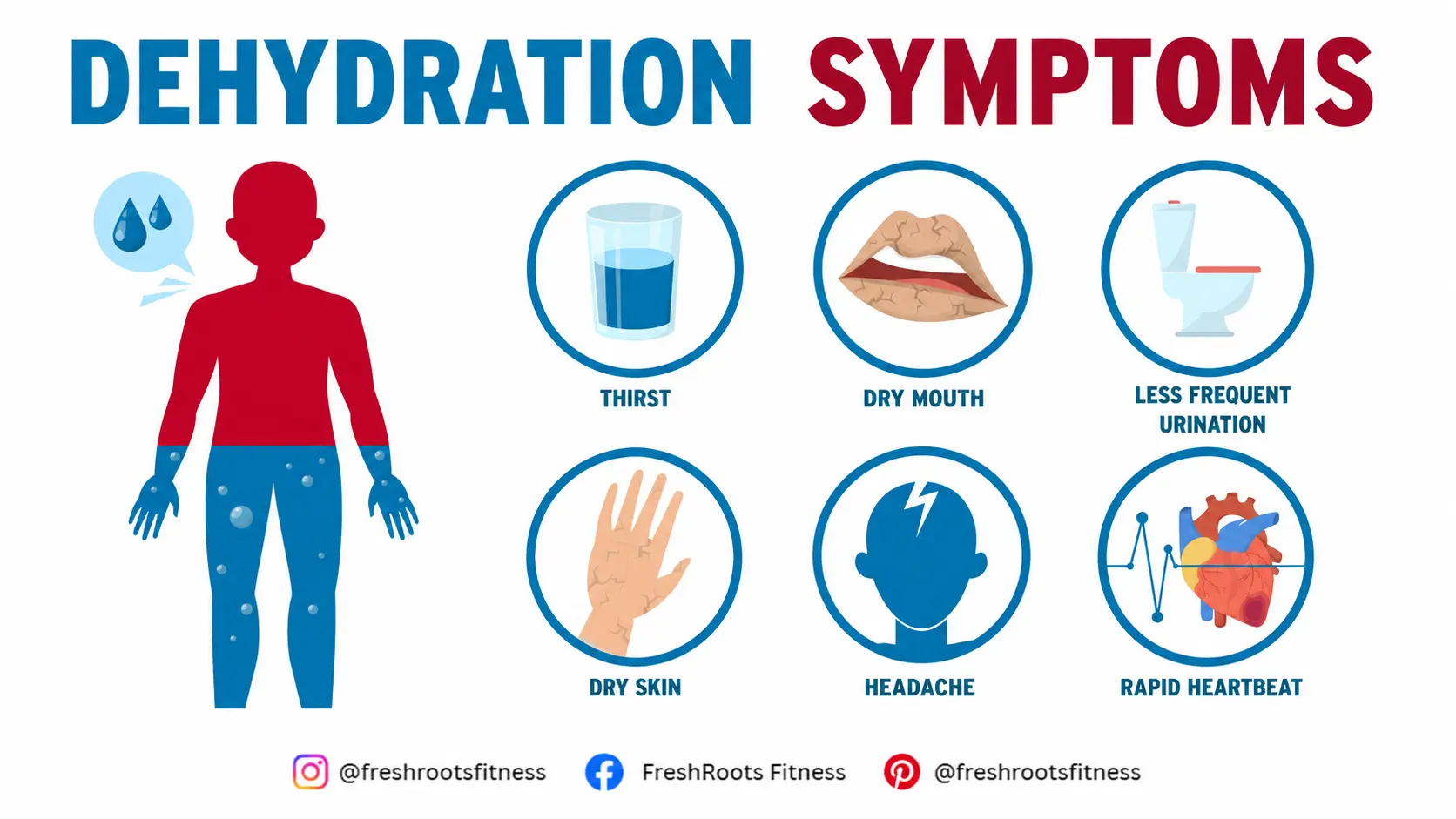
The signs of dehydration in adults are far more varied and surprising than most people expect. Headaches that seem to appear out of nowhere. Afternoon brain fog makes it hard to focus. Dry skin that no moisturizer seems to fix. A sudden drop in mood. Even constipation. These are all potential signs that your body is running low on fluids and most people never connect them to hydration.
Water makes up about 60% of the adult body. It’s involved in nearly every biological process, including digestion, circulation, temperature regulation, brain function and joint lubrication. When intake drops or losses increase even slightly, the effects ripple across multiple systems.
In this guide, we’re going to cover all the signs you might be missing, why dehydration is so easy to overlook and exactly what you can do to stay consistently well-hydrated.
Why Dehydration Is So Easy to Miss
Here’s something most people don’t know you can be dehydrated without feeling particularly thirsty. This is especially true in adults over 50, whose perception of thirst naturally decreases with age.
But it’s not just an age issue. Busy schedules, air-conditioned offices, high-caffeine diets and lots of time spent indoors can all contribute to chronic mild dehydration. In this state, your fluid intake is consistently slightly below what your body needs.
Research suggests that a large percentage of adults walk around in a state of mild dehydration on any given day without realizing it. The effects are real, reduced cognitive performance, lower energy levels, impaired physical endurance, but they’re subtle enough to get blamed on other things.
That’s precisely why understanding the full range of signs of dehydration in adults is so important. Your body gives you signals. Learning to read them is a skill worth having.
Common but Often Overlooked Signs of Dehydration in Adults
This is where things get interesting. Most of these symptoms get misattributed to stress, aging, poor diet or just “having a bad day.” But dehydration might be the real culprit.
Persistent Headaches
One of the most commonly reported yet overlooked signs of dehydration in adults is a low-grade, persistent headache. When fluid levels drop, blood volume decreases slightly, which reduces oxygen and blood flow to the brain. The brain itself can temporarily shrink away from the skull, triggering pain receptors.
Many people reach for a painkiller when all they needed was a large glass of water. Next time a headache comes on, try drinking 1-2 glasses of water and waiting 20 minutes before reaching for medication.
Difficulty Concentrating and Brain Fog
Your brain is about 73% water. Even a 1-2% drop in body fluid levels can impair concentration, short-term memory and decision-making. Studies indicate that mild dehydration is enough to produce measurable declines in cognitive performance, particularly in tasks requiring attention and complex thinking.
If you notice yourself struggling to focus in the afternoon or feeling mentally sluggish even after a good night’s sleep, your hydration levels might be worth checking before anything else.
Fatigue and Low Energy
Feeling unexpectedly tired in the middle of the day? Dehydration is a surprisingly common but underappreciated cause of afternoon fatigue. When you’re low on fluids, blood becomes slightly thicker, making your heart work harder to pump it through the body. Less efficient circulation means less oxygen and energy reaching your muscles and organs.
Many people report that simply drinking more water throughout the day, rather than reaching for another coffee, significantly improves their afternoon energy levels.
Dry Mouth, Bad Breath and Reduced Saliva
Saliva has antimicrobial properties and plays an important role in oral hygiene. When you’re dehydrated, saliva production decreases, creating an environment where odor-causing bacteria thrive. Persistent bad breath and a dry, sticky feeling in the mouth are classic early signs of dehydration in adults and often precede the sensation of thirst.
Dark-Colored Urine
This is one of the most reliable and easy-to-check indicators of hydration status. Well-hydrated urine should be pale yellow like lemonade. Dark yellow, amber or brown-tinted urine is a clear sign that your kidneys are conserving water because you haven’t been drinking enough.
Checking the toilet bowl takes two seconds and tells you a lot. Make it a habit.
Dry Skin and Lips
Many people spend money on moisturizers and lip balms without ever addressing the internal cause. While topical products help, persistently dry or flaky skin, especially without a clear environmental cause, can be a sign that your body simply isn’t getting enough water.
Skin elasticity, often tested by pinching the skin on the back of your hand, can also indicate dehydration. If the skin is slow to return to its normal position, fluid intake may be low.
Dizziness and Lightheadedness
Standing up quickly and feeling a head rush is sometimes dismissed as normal. But frequent dizziness or lightheadedness, particularly when changing positions, can indicate low blood pressure tied to dehydration. When blood volume decreases, the heart has to work harder to maintain adequate pressure and the brain can temporarily receive less blood flow.
Experts believe that orthostatic hypotension, the dizziness you feel when standing up, is significantly worsened by dehydration, especially in older adults.
Muscle Cramps and Joint Pain
Electrolytes like sodium, potassium and magnesium are dissolved in your body’s fluids. When fluid levels drop, electrolyte balance is disrupted, which can cause muscle cramping, particularly in the legs, calves and feet. Joints also depend on fluid for lubrication, so chronically low hydration can contribute to stiffness and increased discomfort with movement.
Staying hydrated is especially important during exercise, hot weather and illness, when electrolyte losses increase significantly.
Constipation and Digestive Problems
Water plays a central role in digestion. It helps break down food, absorb nutrients and move waste through the intestines. When you’re not drinking enough, the colon draws extra water from stool, making it dry, hard and difficult to pass.
Research suggests that chronic mild dehydration is one of the leading and most easily fixed causes of constipation in adults. If you struggle with irregularity, increasing fluid intake is often one of the first things gastroenterologists recommend.
Mood Changes and Irritability
This one surprises a lot of people. Dehydration has a measurable effect on mood. Studies indicate that even mild dehydration can increase feelings of anxiety, irritability and tension, particularly in women. The brain is highly sensitive to fluid changes and those changes can affect neurotransmitter function and emotional regulation.
If you find yourself unusually snappy or anxious for no obvious reason, it’s worth considering whether you’ve had enough water that day.
What Causes Dehydration Beyond Just Not Drinking Enough?
It’s easy to assume dehydration only happens when you forget to drink water. But there are several other common causes worth knowing.
Excessive Caffeine and Alcohol
Both caffeine and alcohol are diuretics they increase urine output and accelerate fluid loss. This doesn’t mean you need to quit coffee or avoid alcohol entirely, but it does mean you need to compensate by drinking additional water alongside them.
Hot or Humid Weather
Sweat is the body’s cooling mechanism and it moves a lot of fluid out of your body quickly in hot weather. Many people don’t adjust their water intake upward when temperatures rise, leading to a steady fluid deficit throughout the day.
Physical Activity
Exercise significantly increases fluid loss through sweat and breath. Even a moderate workout can result in a noticeable fluid deficit that needs to be replaced. Many people hydrate before and during exercise, but neglect post-workout rehydration.
Illness With Fever, Vomiting, or Diarrhea
Any illness that causes fever, vomiting or diarrhea dramatically increases fluid and electrolyte loss. During illness, active rehydration, ideally with oral rehydration solutions rather than plain water alone, becomes critical.
Certain Medications
Some medications, including diuretics, antihistamines and blood pressure medications, increase fluid loss or reduce thirst sensation. If you’re on any of these, your baseline hydration needs may be higher than average.
High-Protein or High-Fiber Diets
Both protein metabolism and fiber digestion require more water than standard digestion. If you’ve recently increased your protein or fiber intake without also increasing water consumption, mild dehydration can creep in.
How to Rehydrate Effectively Beyond Just Drinking More Water
Knowing you need to drink more water is one thing. Actually staying consistently hydrated takes a bit more strategy.
Set a Daily Water Goal and Track It
General guidance suggests around 2-2.5 liters of water per day for most adults, but individual needs vary based on body size, climate, activity level and diet. A simple way to estimate your personal need is to divide your body weight in pounds by two that’s approximately how many ounces of water you need per day.
Tracking apps, marked water bottles or simply setting hourly reminders can help until drinking water becomes an automatic habit.
Eat Water-Rich Foods
Up to 20% of your daily fluid intake can come from food. Fruits and vegetables with high water content, such as cucumber (96% water), watermelon (92%), celery, strawberries, zucchini, oranges and tomatoes, are excellent for supplementing fluid intake. Soups, smoothies and herbal teas also contribute.
Add Electrolytes When Needed
Plain water isn’t always enough, especially after intense exercise, during illness or in very hot weather. Electrolytes help retain fluids in the body and maintain proper cell function. Natural sources include coconut water, bananas, lemon water with a pinch of sea salt or electrolyte powders without excessive sugar.
Don’t Wait Until You’re Thirsty
The most important habit shift is drinking water proactively rather than reactively. Start your morning with a full glass of water before coffee. Keep a water bottle at your desk. Drink a glass before every meal. These simple triggers build hydration into your routine without requiring willpower.
Reduce Your Dehydrating Habits
If you’re drinking several cups of coffee or several alcoholic beverages per day, consciously match each one with an equal glass of water. This simple habit can significantly offset the diuretic effect of both.
Lifestyle Tips for Staying Consistently Hydrated
Good hydration isn’t a one-day fix, it’s a daily practice. Here are habits worth building into your routine:
- Start every morning with water, your body loses fluid overnight through breathing and sweating and rehydrating first thing resets the baseline.
- Flavor your water naturally if plain water feels boring, add slices of lemon, cucumber, mint or berries to make it more appealing without added sugar.
- Drink before meals, a glass of water 15-20 minutes before eating, which supports digestion and helps control appetite.
- Keep water visible, having a bottle on your desk or countertop serves as a constant reminder.
- Monitor urine color regularly, pale yellow is your target, use it as a daily feedback mechanism.
- Increase intake during hot days and workouts, don’t wait for thirst to remind you.
When Should You Seek Medical Help?
Mild to moderate dehydration is something most adults can address at home with increased fluid intake. But certain situations require prompt medical attention.
Seek help immediately if you or someone else experiences:
- Extreme thirst combined with no urination for eight or more hours.
- Confusion, disorientation or altered consciousness.
- Rapid heartbeat with weak pulse.
- Sunken eyes or very dry skin that doesn’t bounce back.
- Fainting or inability to keep fluids down.
- Dark brown urine or complete absence of urination.
- Dehydration in a young child, elderly adult or someone with a chronic illness.
Severe dehydration is a medical emergency that may require intravenous fluids. Don’t try to manage serious symptoms at home.
How Quickly Can You Rehydrate?
The good news is that mild dehydration responds relatively quickly to increased fluid intake.
- Mild dehydration: Most symptoms, such as headache, fatigue and brain fog, begin to ease within 30-60 minutes of drinking adequate fluids.
- Moderate dehydration: Full recovery typically takes several hours of consistent fluid and electrolyte intake.
- Severe dehydration: Requires medical treatment and can take 24-48 hours of supervised rehydration to resolve fully.
The takeaway? Don’t let it get to moderate or severe. Consistent daily hydration is far easier than recovering from a significant deficit.
Conclusion
Dehydration doesn’t always announce itself with a dry throat and an overwhelming urge to drink. More often, it whispers through a dull headache, a foggy mind, tired muscles or a mood that’s harder to manage than usual.
The signs of dehydration in adults are easy to miss precisely because they look like so many other problems. But once you learn to recognize them, you have a powerful, simple tool for improving how you feel every single day.
You don’t need a complicated plan. Start with your water bottle. Drink a glass first thing in the morning. Check the color of your urine. Eat more fruits and vegetables. These small, consistent actions keep your body running the way it’s supposed to, smoothly, efficiently and with energy to spare.
According to MayoClinic – Dehydration
Stay hydrated. It really is that important.
FAQs
-
Can dehydration cause anxiety or mood changes?
Yes. Studies indicate that even mild dehydration can cause increased feelings of irritability, anxiety and tension. The brain is highly sensitive to changes in fluid levels and dehydration can affect neurotransmitter activity and emotional regulation.
-
Does eating food count toward daily fluid intake?
Yes. Water-rich foods like cucumbers, watermelon, oranges, tomatoes, and soups contribute meaningfully to daily fluid intake, accounting for roughly 20% of most people’s fluid intake with a balanced diet. Eating plenty of fruits and vegetables is a natural way to supplement your water intake.
-
Can you be dehydrated even if you don’t feel thirsty?
Absolutely. Thirst is a delayed signal by the time you feel thirsty, you’re already mildly dehydrated. In older adults, the thirst mechanism becomes even less reliable. This is why proactive, scheduled water intake is more effective than waiting for thirst.
-
How much water should an adult drink per day?
General guidance points to around 2-2.5 liters (roughly 8-10 glasses) per day for most adults. However, individual needs vary based on body size, climate, activity level and diet. A simple rule is to divide your body weight in pounds by two for your daily ounce target.
-
Is coffee or tea bad for hydration?
Caffeine has a mild diuretic effect, but moderate coffee and tea consumption (up to 3-4 cups per day) doesn’t significantly worsen hydration for regular drinkers. That said, matching each caffeinated drink with a glass of water is a smart habit.
-
What are the early signs of dehydration in adults?
Early signs include dark-colored urine, dry mouth, mild headache, reduced concentration and low energy. These can appear before thirst kicks in, which is why it’s important not to rely on thirst alone as a hydration signal.

- How to Reduce Cholesterol Naturally With Simple Food Habits - July 4, 2026
- Early Signs of High Blood Sugar Most People Miss Daily - June 25, 2026
- How to Boost Immunity Naturally: Simple Daily Habits - June 23, 2026