Bloating after every meal. A stomach that gurgles at the worst possible moments. Constipation that drags on for days, followed by urgency that gives no warning. If any of this feels familiar, you’re not alone. Digestive complaints are among the most common health issues people deal with daily and most of them quietly accept them as normal.
It isn’t. A well-functioning digestive system should largely be invisible, doing its job without demanding your constant attention or making you uncomfortable. When digestion is off, it affects everything your energy levels, your skin, your mood, your immune function and even your ability to think clearly.
The good news is that learning how to improve digestion naturally doesn’t require expensive supplements, complicated elimination diets or medical procedures. For the vast majority of people, the most impactful changes are rooted in everyday habits, such as what you eat, how you eat, how you move, how you sleep and how well you manage stress.
This guide covers all of it. The root causes of poor digestion, the daily habits that genuinely make a difference, foods that help versus foods that harm and when something more than lifestyle change is needed. Let’s get into it.
Why Good Digestion Matters More Than Most People Realize
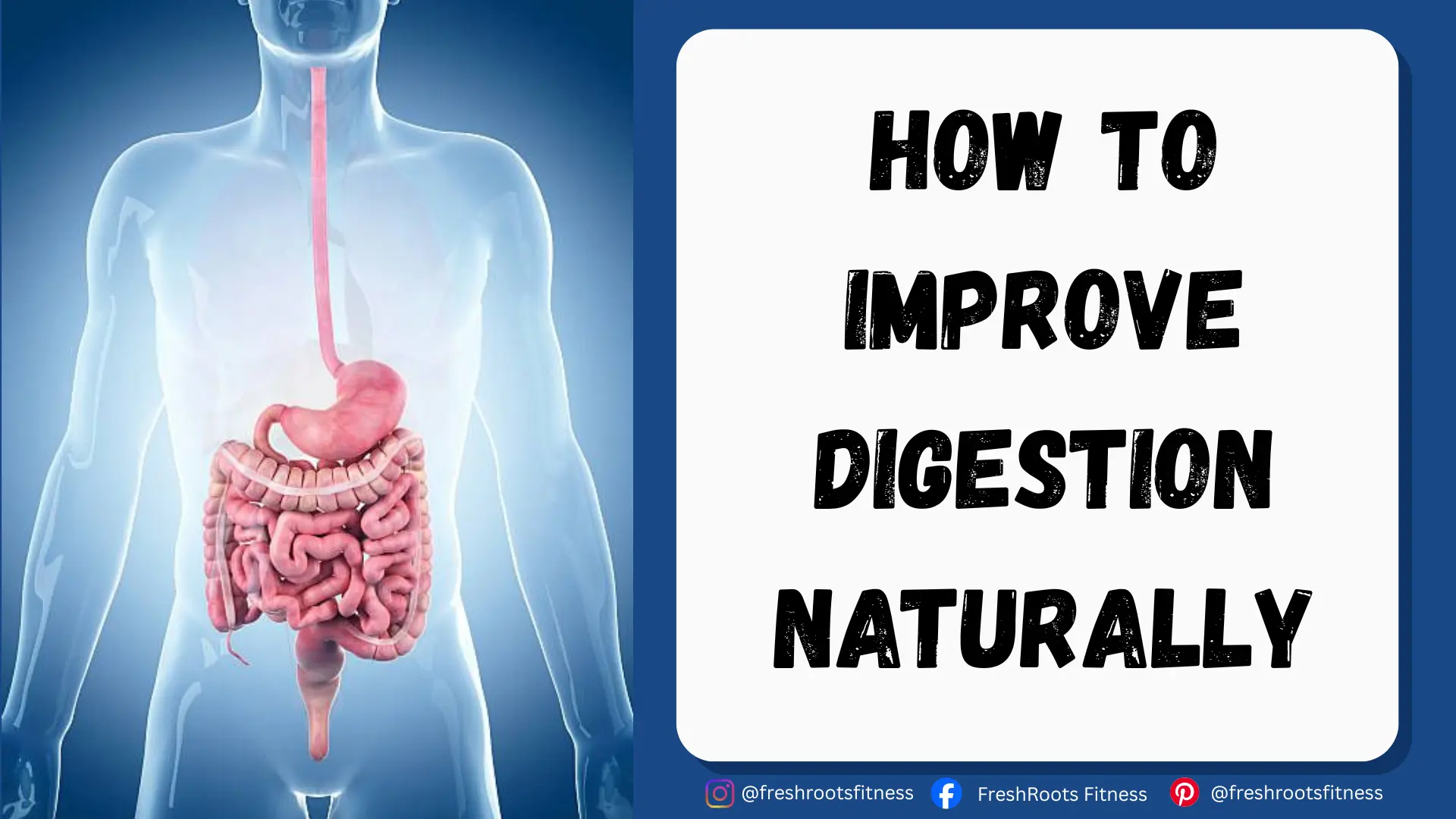
The digestive system isn’t just a tube that processes food. It’s an enormously complex network, roughly 30 feet of intestinal tract, trillions of microorganisms in the gut microbiome, a nervous system of its own and a central role in immune function, hormone production and mental health.
Research suggests that approximately 70% of the immune system resides in the gut. The gut microbiome, the community of bacteria, fungi and other organisms living in your intestines, influences inflammation, mood, metabolism, hormone balance and even brain function through what’s known as the gut-brain axis.
When digestion is chronically poor, the downstream effects go well beyond discomfort. Nutrient absorption suffers even if you’re eating a healthy diet, poor digestive function means your body extracts less from what you consume. Systemic inflammation can increase. The gut-brain connection means that chronic digestive distress is closely linked to anxiety, low mood and cognitive fog.
Understanding how to improve digestion naturally is therefore not just about eliminating bloating, it’s about supporting one of the most foundational systems in the human body.
What Causes Poor Digestion?
Before exploring solutions, understanding the drivers of digestive dysfunction helps target the right changes. Poor digestion rarely has a single cause, it typically develops from a combination of factors that compound over time.
Poor Diet Choices
A diet low in fiber and high in refined carbohydrates, processed foods, sugar and unhealthy fats is the primary dietary driver of poor digestion. Fiber feeds beneficial gut bacteria and provides the bulk that keeps the intestinal tract moving efficiently. Without adequate fiber, transit time slows, constipation develops and the microbiome shifts toward less beneficial bacterial populations.
Eating Too Fast
This one is consistently underestimated. Digestion begins in the mouth, where mechanical chewing breaks down food and mixes it with saliva that contains digestive enzymes. Eating quickly means food arrives in the stomach in larger, harder-to-process pieces, putting extra burden on gastric acid and digestive enzymes. It also increases the likelihood of swallowing excess air, contributing to bloating and gas.
Chronic Stress
The gut and brain are in constant two-way communication through the vagus nerve and the enteric nervous system. Chronic stress activates the sympathetic nervous system, the “fight or flight” response, which directly suppresses digestive function. Blood flow is redirected away from the digestive tract, gut motility slows or becomes erratic and the balance of gut bacteria shifts unfavorably. Studies indicate that chronic psychological stress is a major driver of irritable bowel syndrome (IBS) and other functional digestive disorders.
Dehydration
Water is essential at every stage of digestion, it helps dissolve nutrients for absorption, supports the mucus lining of the intestinal tract, and is critical for forming soft, easy-to-pass stools. Chronic mild dehydration is one of the most common and most overlooked contributors to constipation and sluggish digestion.
Inadequate Physical Activity
The digestive tract relies on movement, both the internal muscular contractions of peristalsis and the physical movement of the body itself. Sedentary behavior slows intestinal motility, contributing to constipation, bloating and discomfort. Research suggests that regular physical activity significantly improves gut transit time and supports a healthier gut microbiome composition.
Antibiotic Use and Medication
Antibiotics, while often medically necessary, disrupt the gut microbiome by killing beneficial bacteria alongside harmful ones. The effects can persist for months after a course of antibiotics ends, altering digestion, immunity and gut-brain signaling. Other medications, including NSAIDs, proton pump inhibitors and certain antidepressants, also affect digestive function in various ways.
Poor Sleep
Sleep deprivation disrupts the circadian rhythm of the digestive system, the intestinal tract has its own clock and it functions best when sleep and eating patterns are consistent. Research suggests that poor sleep increases intestinal permeability, alters the gut microbiome and worsens existing digestive symptoms.
How to Improve Digestion Naturally
These are not short-term fixes. They are daily habits that, when practiced consistently, create meaningful and lasting improvement in how your digestive system functions.
1. Eat More Fiber
Dietary fiber is the single most important nutritional factor for digestive health. It comes in two forms and both matter:
Soluble fiber dissolves in water to form a gel-like substance that slows digestion, feeds beneficial gut bacteria and helps regulate blood sugar. Found in oats, apples, bananas, legumes, flaxseeds and psyllium husk.
Insoluble fiber adds bulk to stool and speeds intestinal transit time, reducing constipation. Found in whole grains, vegetables, nuts and seeds.
Most people consume far less fiber than recommended. The target for most adults is 25-35 grams daily, the average intake in many countries is closer to half that.
One important caution increasing fiber too quickly causes gas and bloating as gut bacteria adjust to the new food supply. Add fiber-rich foods gradually over two to three weeks to allow the microbiome to adapt without significant discomfort.
2. Drink Enough Water
Hydration and digestion are inseparable. Water softens stool, helps dissolve nutrients for absorption, supports the mucus lining of the gut and facilitates every enzymatic reaction involved in breaking down food. Aim for eight to ten glasses of water daily, more if you’re physically active, in a hot climate or eating a high-fiber diet.
Timing matters too. Drinking water between meals rather than in large quantities during meals is gentler on digestive enzymes and stomach acid concentration. Warm water, particularly in the morning, has a mild stimulating effect on gut motility that many people notice within days of starting the habit. Many users report that simply increasing daily water intake resolves mild constipation within one to two weeks.
3. Chew Your Food Thoroughly
This is the most underrated digestive habit and possibly the easiest to start immediately. Digestion is a sequential process, each stage depends on the previous one being done properly. When you eat too fast and swallow large, poorly chewed pieces of food, you’re handing the stomach and small intestine a harder job than they’re designed for.
Thorough chewing:
- Increases the surface area of food, making it easier for enzymes to break down.
- Mixes food with salivary amylase, which begins carbohydrate digestion before food even reaches the stomach.
- Slows the pace of eating, which gives satiety hormones time to signal fullness, reducing overeating.
- Reduces the amount of air swallowed, which directly lowers bloating and gas.
A practical target is 20-30 chews per bite for solid food. It feels excessive at first, most people manage 5-10, but it becomes natural quickly and makes a noticeable difference within days.
4. Move Your Body Daily
Physical activity improves digestion through several mechanisms. It stimulates intestinal peristalsis, the wave-like muscular contractions that move food and waste through the digestive tract. It reduces bloating and gas by helping move trapped air through the system. And regular exercise supports a more diverse, healthier gut microbiome.
Research suggests that even a 15-20 minute walk after meals meaningfully improves gastric emptying and reduces post-meal blood sugar spikes, a double benefit. Many people report that a short post-meal walk is one of the most immediately effective habits for reducing bloating and heaviness after eating.
You don’t need intense exercise for digestive benefits. Walking, yoga, cycling or any moderate aerobic activity practiced most days of the week consistently supports gut motility and microbiome health over time.
5. Manage Stress
The gut-brain axis is bidirectional your brain affects your gut and your gut affects your brain. Chronic stress is one of the most impactful and most neglected causes of poor digestion. It alters gut motility (causing constipation or diarrhea depending on the individual), increases intestinal permeability and disrupts the gut microbiome.
Effective stress management is therefore genuinely therapeutic for digestion, not just a wellness afterthought. Practices with research support include:
- Diaphragmatic breathing before meals activates the parasympathetic “rest and digest” nervous system, improving stomach acid secretion and enzyme release.
- Regular yoga combines physical movement, breath work and relaxation in ways that directly benefit gut motility and IBS symptoms. Several studies show yoga meaningfully reduces digestive complaints.
- Meditation, consistent mindfulness practice, reduces the cortisol-driven suppression of digestive function.
- Time in nature lowers cortisol and supports parasympathetic activation.
Even spending five minutes in slow, deep breathing before sitting down to eat can noticeably improve how your body responds to a meal.
6. Prioritize Sleep and Keep Eating Times Consistent
The digestive system has its own circadian rhythm it’s most active during daylight hours and slows significantly at night. Eating in sync with this rhythm, avoiding large, heavy meals late at night and eating the bulk of your food during daylight hours, supports more efficient digestion.
Research suggests that eating at consistent times each day trains the digestive system to prepare gastric acid, enzymes and bile in anticipation of food, improving the efficiency of every meal. Irregular eating patterns, skipping meals, eating at widely varying times or eating very late disrupt this preparation and reduce digestive efficiency.
Sleep itself matters because the intestinal repair and microbiome regulation that happen overnight depend on deep, sufficient sleep. Studies indicate that people with poor sleep habits have less diverse gut microbiomes and higher rates of digestive disorders.
Aim for seven to nine hours of consistent sleep and try to eat meals at similar times each day, particularly breakfast and dinner.
7. Include Probiotic and Prebiotic Foods
The gut microbiome, the trillions of bacteria and other microorganisms living in your intestines, is central to digestive health. Supporting beneficial bacterial populations directly improves gut motility, reduces inflammation, eases bloating and strengthens the gut lining.
Probiotic foods contain live beneficial bacteria that contribute to the microbiome:
- Yogurt with live active cultures.
- Kefir is fermented dairy with a broader range of bacterial strains than yogurt.
- Kimchi and sauerkraut are fermented vegetables with diverse probiotic strains.
- Miso and tempeh fermented soy-based foods.
- Kombucha fermented tea has probiotic activity.
Prebiotic foods feed the beneficial bacteria already in your gut:
- Garlic, onions and leeks.
- Bananas (particularly slightly underripe ones).
- Oats and barley.
- Asparagus and Jerusalem artichokes.
- Flaxseeds and chicory root.
Including both probiotic and prebiotic foods regularly creates a more diverse, resilient gut microbiome, which is one of the most important measurable markers of digestive health.
8. Reduce Processed Foods, Sugar, and Alcohol
What you reduce matters as much as what you add. Processed foods, refined sugar, artificial sweeteners and excess alcohol all negatively affect the gut microbiome, increase intestinal inflammation and disrupt digestive motility.
Artificial sweeteners, particularly sorbitol, xylitol and high doses of others, are poorly absorbed in the small intestine and fermented by gut bacteria in the large intestine, producing gas and diarrhea in susceptible individuals. Many people who experience bloating without an obvious cause find that eliminating artificial sweeteners makes an immediate difference.
Alcohol directly irritates the gut lining, alters microbiome composition and disrupts the intestinal barrier. Even moderate regular consumption is associated with increased intestinal permeability and digestive inflammation.
Reducing ultra-processed food intake, which tends to be high in emulsifiers, preservatives and refined ingredients that disrupt the microbiome and replacing it with whole, minimally processed foods is one of the most impactful long-term steps for digestive health.
9. Eat Mindfully
How and where you eat influences digestion as much as what you eat. Eating while distracted, scrolling your phone, watching television or working increases eating speed, reduces chewing thoroughness and keeps the nervous system in a sympathetic (stressed) state that suppresses digestive function.
Eating mindfully, sitting down, focusing on the food, chewing properly and eating without rushing activates the parasympathetic nervous system and creates the physiological conditions for optimal digestion. It also improves awareness of hunger and fullness cues, reducing the overeating that leaves the digestive system overloaded.
Small, practical changes make a real difference: eating at a table rather than a desk or couch, putting down utensils between bites, taking three slow breaths before starting a meal and removing screens from the eating environment.
10. Consider Digestive Enzymes and Targeted Supplements
For some people, targeted supplementation supports digestion in ways that diet alone doesn’t fully address:
Digestive enzyme supplements can support people who have reduced stomach acid or pancreatic enzyme production, which becomes more common with age. These help break down proteins, fats and carbohydrates more efficiently.
Magnesium has a mild natural laxative effect by drawing water into the intestines and relaxing intestinal muscles. Studies indicate magnesium supplementation can help with chronic constipation. Magnesium glycinate or citrate is the most well-tolerated form.
Psyllium husk a soluble fiber supplement that is one of the most studied and effective natural remedies for both constipation and loose stools, as it adds bulk and regulates transit time in both directions.
Ginger has well-documented effects on gastric emptying and nausea. Research suggests that ginger supplementation or regular dietary ginger consumption speeds up stomach emptying and reduces nausea, bloating and indigestion.
L-glutamine an amino acid that is the primary fuel for intestinal cells, supporting gut lining integrity. Some research suggests it’s beneficial for people with increased intestinal permeability.
Always speak with your doctor before starting supplements, particularly if you have an existing digestive condition or take regular medication.
Best Foods for Digestion And What to Limit
Eat More Of:
- Ginger stimulates gastric emptying and reduces nausea and bloating.
- Papaya contains papain, a natural digestive enzyme that helps break down proteins.
- Pineapple contains bromelain, another protein-digesting enzyme.
- Oats an excellent source of soluble fiber that feeds beneficial gut bacteria.
- Yogurt and kefir probiotics that support microbiome diversity.
- Leafy greens are rich in fiber, magnesium and folate that support gut lining health.
- Fennel has antispasmodic properties that ease intestinal cramping and bloating.
- Bone broth contains gelatin and collagen that support gut lining integrity.
- Fermented vegetables, such as kimchi and sauerkraut, provide probiotic diversity.
- Flaxseeds are a dual source of soluble and insoluble fiber, supporting both constipation and loose stools.
Limit or Avoid:
- Ultra-processed and packaged foods with long ingredient lists.
- Fried and greasy foods slow gastric emptying and increase the risk.
- Excess refined sugar feeds harmful gut bacteria and promotes dysbiosis.
- Carbonated drinks introduce excess gas into the digestive tract.
- Artificial sweeteners, particularly sugar alcohols (sorbitol, xylitol).
- Alcohol damages the gut lining and disrupts the microbiome.
- Eating very late at night works against the digestive system’s natural circadian rhythm.
Signs Your Digestion Needs Attention
Occasional digestive discomfort is normal, what isn’t normal is chronic, frequent symptoms that interfere with your quality of life. Signs worth paying attention to:
- Bloating that persists for hours after meals regularly.
- Constipation lasting more than three days or fewer than three bowel movements per week.
- Frequent loose stools or urgency.
- Unexplained abdominal pain or cramping.
- Persistent heartburn or acid reflux.
- Excessive gas, belching or flatulence.
- Undigested food is visible in the stools.
- Unexplained fatigue and brain fog alongside digestive symptoms.
- Unexplained weight loss alongside any of the above.
Many users ignore these signs for years, assuming they’re normal. They’re worth addressing both because they indicate something that can be improved and because chronic digestive dysfunction has wide-reaching effects on overall health.
When to See a Doctor
Natural habits are highly effective for functional digestive issues, the kind driven by lifestyle rather than structural or disease-based causes. But certain symptoms require medical evaluation without delay:
- Blood in the stool or on toilet paper or black, tarry stools.
- Unexplained significant weight loss
- Persistent abdominal pain that doesn’t resolve with bowel movements.
- Difficulty swallowing or a feeling that food gets stuck.
- Vomiting that is frequent, severe or contains blood.
- Jaundice yellowing of the skin or eyes.
- A family history of colorectal cancer, inflammatory bowel disease or celiac disease, combined with new digestive symptoms.
- Symptoms that have worsened despite consistent lifestyle changes over six to eight weeks.
If you’ve been told you have irritable bowel syndrome (IBS), inflammatory bowel disease (IBD), celiac disease or another diagnosed digestive condition, lifestyle changes remain highly valuable but should be implemented alongside medical management, not instead of it.
How Long Until You Notice Improvement?
Realistic timelines help you stay consistent long enough to see results:
- Increased water intake – Constipation often improves within one to two weeks.
- More fiber – Gut motility and regularity typically improve within two to four weeks. Microbiome changes take longer, usually four to eight weeks.
- Probiotic foods – Initial microbiome shifts can occur within two to four weeks of consistent intake.
- Reduced processed food and sugar – Bloating and gas often noticeably improve within two to three weeks.
- Exercise – Improvements in gut transit time appear within four to eight weeks of consistent activity.
- Stress management – Functional symptoms like IBS-type cramping and urgency can improve meaningfully within four to eight weeks of consistent practice.
Most people who make several changes simultaneously see noticeable improvements within two to four weeks and substantial improvements within two to three months. The gut microbiome continues to evolve and diversify over months, so the longer you sustain healthy habits, the more resilient your digestion becomes.
According to Healthline- Tips to Improve Digestion Naturally
Conclusion
Learning how to improve digestion naturally doesn’t require a dramatic overhaul of your entire life. It requires identifying which habits are working against your gut and replacing them one or two at a time with ones that work for it.
Start with water. Add fiber gradually. Slow down when you eat. Move more. Sleep better. Reduce processed food. Add fermented foods when you’re ready. Manage your stress as it matters to your gut because it does.
The digestive system is remarkably responsive. Many people notice improvements within days of making even a few of these changes. Over weeks and months, the compounding effect creates a gut that functions quietly and efficiently the way it was always supposed to.
You don’t have to live with bloating, discomfort and sluggish digestion as your baseline. Better is available and most of it starts with the next meal.
FAQs
-
How much water should I drink to improve digestion?
Eight to ten glasses daily is a good target for most people. If you’re eating more fiber or exercising, drink more. Warm water in the morning particularly helps stimulate gut motility and ease constipation.
-
Why am I always bloated even when I eat healthy?
Eating too fast, insufficient water, food intolerances, artificial sweeteners, low gut microbiome diversity and chronic stress can all cause bloating despite a seemingly healthy diet. Identifying your specific trigger usually requires systematically adjusting one variable at a time.
-
Can stress really affect your digestion?
Yes, significantly. The gut and brain communicate directly through the vagus nerve. Chronic stress suppresses digestive function, slows gut motility and disrupts the microbiome. Managing stress is a genuine therapeutic intervention for digestive health.
-
Are probiotics worth taking for digestion?
Probiotic foods, yogurt, kefir, kimchi and sauerkraut, are well worth including regularly. Probiotic supplements vary in quality and strain specificity. Food-based sources are a reliable daily foundation for most people without diagnosed conditions.
-
What foods help digestion the most?
Ginger, oats, yogurt, papaya, leafy greens, flaxseeds and fermented foods like kimchi and kefir are among the most researched for digestive benefits. They support motility, gut bacteria and enzyme function simultaneously.
-
What is the fastest way to improve digestion naturally?
Drinking more water, chewing food thoroughly and taking a short walk after meals show the fastest results, often within days. Reducing processed foods and adding fiber improves things further within two to four weeks.

- How to Reduce Cholesterol Naturally With Simple Food Habits - July 4, 2026
- Early Signs of High Blood Sugar Most People Miss Daily - June 25, 2026
- How to Boost Immunity Naturally: Simple Daily Habits - June 23, 2026