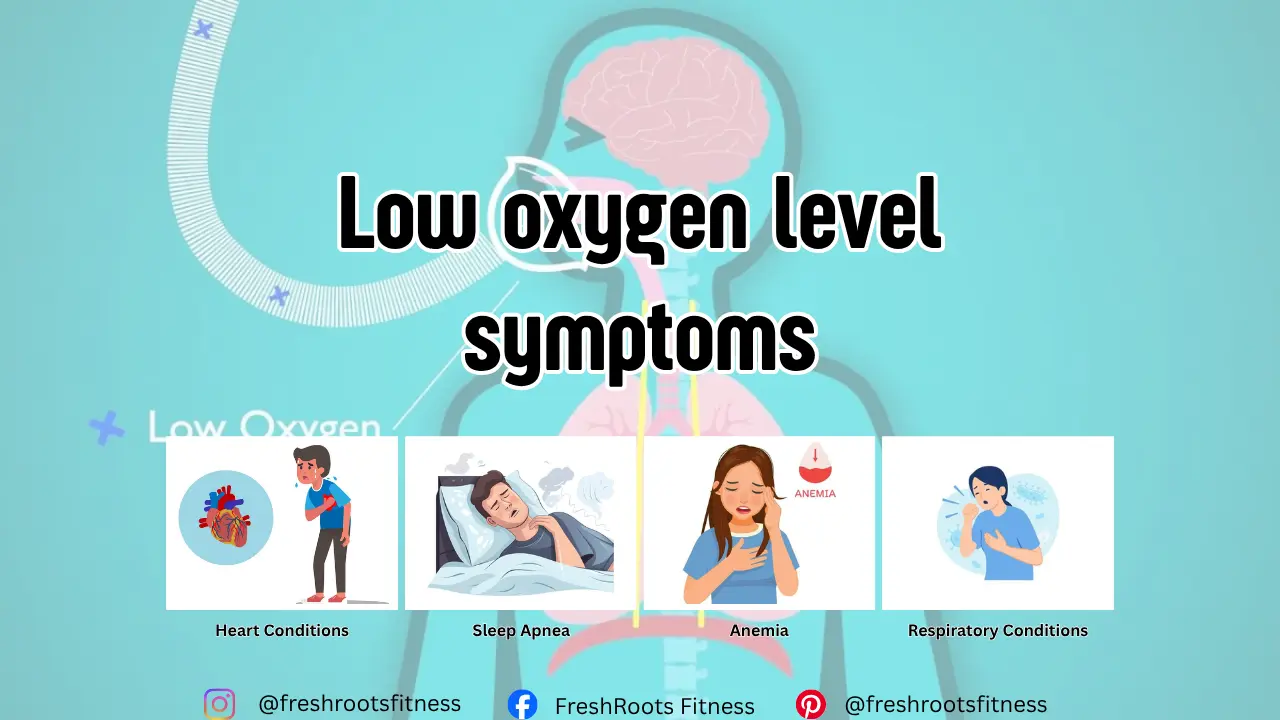
Breathing is something most of us never think about. It just happens automatically, quietly, all day long. But when your body isn’t getting enough oxygen, it starts sending urgent signals. The problem is, low oxygen level symptoms don’t always look the way you’d expect.
Yes, shortness of breath is one sign. But so is confusion, a racing heart, persistent headaches and skin that looks slightly bluish around the lips or fingertips. These symptoms can appear gradually, creeping in so slowly that you barely notice them until something feels seriously wrong.
Low blood oxygen levels, medically called hypoxemia, happen when the amount of oxygen circulating in your blood drops below what your body needs to function properly. A normal oxygen saturation level sits between 95% and 100%. When it dips below 90% and especially below 88%, the body begins to struggle and the consequences can escalate quickly.
Understanding low oxygen level symptoms isn’t about creating unnecessary fear. It’s about knowing your body well enough to recognize when something needs attention and acting before a manageable situation becomes a medical emergency.
This guide covers what low oxygen actually feels like, what causes it, when it’s serious and what to do in the moment.
What Are Low Oxygen Level Symptoms and Why Do They Happen?
Oxygen enters your bloodstream through your lungs and is carried to every cell in your body by red blood cells. When this process is interrupted, whether due to a lung condition, heart problem, high altitude or another cause, your tissues and organs begin to receive less oxygen than they need.
Your body’s first response is to compensate. Your heart beats faster to move blood more quickly. You breathe faster to pull in more oxygen. Your brain, which is the most oxygen-sensitive organ in the body, begins to show signs of distress almost immediately.
Low oxygen level symptoms are essentially your body’s distress signals, the visible, felt consequences of oxygen not reaching where it needs to go. Some of these symptoms are obvious and easy to connect to breathing problems. Others, like confusion, fatigue or even a sense of restlessness, are less intuitive but equally important.
Research suggests that the brain can begin to show signs of hypoxia within minutes of oxygen dropping significantly. The lungs, heart and other vital organs follow closely. This is why recognizing the symptoms early and knowing which ones demand immediate action genuinely matters.
What Causes Low Oxygen Levels
Low blood oxygen rarely appears without a reason. Understanding the underlying causes helps you recognize your personal risk and take appropriate action.
Respiratory Conditions
Conditions that directly affect how the lungs absorb and transfer oxygen are among the most common causes. These include:
- Chronic obstructive pulmonary disease (COPD) damages the air sacs in the lungs, reducing their ability to transfer oxygen efficiently.
- Asthma during flare-ups limits oxygen intake due to airway narrowing.
- Pneumonia an infection that causes fluid buildup in the lungs, blocking oxygen transfer.
- Pulmonary embolism, a blood clot in the lungs, prevents normal oxygen exchange.
- COVID-19 and other viral infections can cause significant lung inflammation and oxygen drops, sometimes without obvious breathing distress.
Heart Conditions
The heart is responsible for pumping oxygenated blood through the body. When the heart isn’t functioning efficiently due to heart failure, congenital defects or arrhythmias, oxygen delivery to tissues can drop even if the lungs are working properly.
High Altitude
At higher elevations, the air contains less available oxygen per breath. People ascending quickly to high altitudes without acclimatization can develop altitude sickness, which is essentially a form of hypoxia. This is common among hikers, skiers and travelers visiting high-altitude destinations.
Sleep Apnea
Sleep apnea causes repeated pauses in breathing during sleep, sometimes hundreds of times per night. Each pause drops blood oxygen levels temporarily. Many people with sleep apnea experience low oxygen level symptoms, especially fatigue and morning headaches, without realizing that breathing is the cause.
Anemia
Anemia doesn’t reduce oxygen in the air or lungs, but it reduces the number of red blood cells available to carry oxygen through the body. The result is that functionally similar tissues don’t receive enough oxygen and symptoms of hypoxia can appear.
Low Oxygen Level Symptoms to Recognize
These are the signs your body sends when oxygen is running low. Some appear early and subtly others signal a medical emergency.
Shortness of breath: The most recognized of all low oxygen level symptoms, feeling like you can’t get a full breath, even at rest or during minimal activity. It may feel like tightness in the chest or the sensation that no matter how deeply you inhale, it’s never quite enough.
Rapid or shallow breathing: Your body’s automatic response to low oxygen is to breathe faster to compensate. If you notice your breathing rate increasing without physical exertion, this is worth paying close attention to.
Faster heart rate: The heart speeds up to circulate blood more quickly and deliver whatever oxygen is available to vital organs faster. A racing heartbeat, particularly when combined with other symptoms on this list, is a significant warning sign.
Persistent headaches: The brain is highly sensitive to oxygen fluctuations. Low oxygen causes blood vessels in the brain to dilate, which triggers headaches. Morning headaches, in particular those that are present immediately upon waking, are a classic symptom of nighttime oxygen drops from sleep apnea.
Confusion or difficulty thinking clearly: Because the brain depends so heavily on oxygen, even mild drops can cause noticeable cognitive changes. Difficulty concentrating, slowed thinking, disorientation or sudden confusion are important low oxygen level symptoms that should never be ignored.
Extreme fatigue and weakness: When your cells aren’t receiving enough oxygen, energy production drops sharply. This produces a deep, heavy fatigue that’s disproportionate to physical activity, similar to the exhaustion of altitude sickness.
Dizziness and lightheadedness: Reduced oxygen reaching the brain causes dizziness, a sensation of the room spinning or feeling faint, especially when standing up quickly or with exertion.
Bluish or grayish tint to lips or fingertips: This is called cyanosis and it’s one of the more visible and serious low oxygen level symptoms. When blood lacks adequate oxygen, it appears darker and this shows through the skin in areas with thin, translucent coverage like the lips, fingernails and fingertips. If you notice this, seek medical attention immediately.
Restlessness or agitation: Some people experiencing hypoxia feel an unexplained sense of restlessness, unease or agitation. This is the brain responding to oxygen deprivation, it registers distress even before you consciously recognize what’s wrong.
Loss of coordination: Low oxygen affects motor function. Clumsiness, difficulty with fine motor tasks or a sudden loss of coordination can signal that the brain isn’t receiving adequate oxygen and this can escalate quickly.
These Articles You Must Read
How to Stay Young
10 Best Sleep Hygiene Practices
What Causes a Blood Pressure Reading of 152/120?
What to Do When You Notice Low Oxygen Level Symptoms
How you respond depends on the severity of the symptoms. Here’s a clear, practical breakdown.
For mild symptoms, fatigue, mild headache, slight breathlessness:
Move to fresh air immediately if you’re in a stuffy or enclosed space. Sit upright, slouching or lying flat compresses the lungs. Take slow, deliberate, deep breaths. Loosen any tight clothing around the chest or neck.
If symptoms improve quickly in fresh air, monitor closely for the next hour. If they persist or worsen, seek medical evaluation.
For moderate symptoms, confusion, rapid heart rate and ongoing breathlessness:
Stop all physical activity immediately. Sit or lie in a position that feels most comfortable for breathing. Many people find sitting upright or slightly forward helpful. Don’t be alone, alert someone near you.
If you have a pulse oximeter at home (a small clip-on device that reads blood oxygen), use it now. A reading below 94% warrants a call to your doctor. Below 90% warrants emergency care.
For severe symptoms, bluish lips, loss of consciousness and severe confusion:
Call emergency services immediately. These symptoms indicate a medical emergency. Do not drive yourself to the hospital. Keep the person calm and still while waiting for help.
Lifestyle Habits That Support Healthy Oxygen Levels
For people with chronic conditions affecting oxygen levels or those who simply want to support better oxygen saturation day to day, these habits make a real difference.
- Exercise regularly, aerobic activity strengthens the lungs and heart, improving their ability to deliver oxygen efficiently. Even 20-30 minutes of walking most days improves cardiovascular and respiratory function.
- Practice deep breathing exercises, diaphragmatic breathing and techniques like pursed-lip breathing can improve lung capacity and oxygen exchange over time.
- Don’t smoke, as smoking damages the air sacs in the lungs irreversibly over time, directly reducing oxygen transfer capacity.
- Sleep on your side for people prone to sleep apnea, side sleeping reduces airway collapse and helps maintain oxygen levels through the night.
- Stay hydrated, blood that is well-hydrated carries oxygen more efficiently. Dehydration thickens blood and reduces circulation.
- Keep indoor air clean, use ventilation, avoid strong chemical fumes and consider air purifiers in enclosed spaces.
- Eat iron-rich foods, iron is required for red blood cells to carry oxygen iron deficiency directly reduces oxygen delivery to tissues.
When to See a Doctor
Not every episode of breathlessness or fatigue requires an emergency response, but several situations do require prompt professional evaluation.
See a doctor if:
- You experience breathlessness at rest or with minimal activity regularly.
- You wake up with morning headaches frequently, especially if you snore or have been told you stop breathing during sleep.
- Your pulse oximeter reads below 94% consistently.
- You notice any blue or gray tint to your lips, nails or fingertips.
- You feel confused, disoriented or faint without a clear cause.
- You have a known lung or heart condition and your symptoms are changing or worsening.
Seek emergency care immediately if:
- Oxygen saturation drops below 90%.
- You or someone near you loses consciousness.
- Breathing becomes severely labored or stops.
- Cyanosis (blue or gray discoloration) is visible.
A doctor can order blood gas analysis, chest imaging, a sleep study or other diagnostics to identify the underlying cause and determine the best course of treatment. In some cases, supplemental oxygen therapy may be prescribed for use at home.
What to Expect With Treatment and Recovery
The outlook for low oxygen levels depends entirely on the cause. When hypoxia is temporary due to altitude, a short illness or a reversible trigger, oxygen levels typically recover fully once the cause is addressed.
For chronic conditions like COPD, heart failure or severe sleep apnea, the goal is management rather than cure. Supplemental oxygen therapy, medications, lifestyle changes and in some cases, surgery can significantly improve quality of life and prevent serious complications.
Experts believe that early identification and consistent management of chronic hypoxia meaningfully reduce the risk of organ damage, cognitive decline and cardiovascular complications. The earlier the condition is identified, the more options are available.
By Mayo Clinic Hypoxemia
People who make lifestyle changes, quitting smoking, exercising regularly and addressing sleep apnea with a CPAP device often report significant improvements in energy, mental clarity and overall function over weeks to months.
Conclusion
Oxygen is the one thing your body absolutely cannot function without, even for a few minutes. And yet, low oxygen level symptoms are some of the most commonly overlooked warning signs in everyday health.
Shortness of breath, persistent headaches, confusion, racing heart, fatigue and bluish lips are your body’s way of asking for help. They’re not random and they’re not things to push through and ignore.
Knowing what low oxygen level symptoms look like and what to do when they appear could genuinely be lifesaving. Not in a dramatic sense, but in the practical, everyday sense of catching something early enough to address it properly.
If something doesn’t feel right in how you’re breathing, how much energy you have or how clearly you’re thinking, pay attention. Get a pulse oximeter. See a doctor. Don’t wait for things to become severe before you act.
Your body is doing its best to keep you going. Meet it halfway.
FAQs
-
How can I check my oxygen level at home?
A pulse oximeter, a small affordable clip-on device available at most pharmacies, measures blood oxygen saturation through the fingertip. Readings are quick and non-invasive. It’s a useful tool for anyone with a chronic respiratory or heart condition.
-
Is it possible to have low oxygen at night without knowing it?
Yes, this is exactly what happens in sleep apnea. Oxygen drops can occur repeatedly during sleep without the person waking up fully. Morning headaches, daytime fatigue and difficulty concentrating are common signs. A sleep study can confirm the diagnosis.
-
Can low oxygen levels be caused by stress or anxiety?
Anxiety and panic attacks can cause hyperventilation, which paradoxically lowers carbon dioxide levels rather than oxygen, but this can still produce symptoms that feel like low oxygen, including dizziness and breathlessness. True hypoxia from anxiety alone is rare a pulse oximeter reading helps distinguish between the two.
-
Can low oxygen levels cause anxiety or confusion?
Yes. The brain is extremely sensitive to oxygen levels. Even mild drops can cause restlessness, agitation, difficulty concentrating and confusion. Severe hypoxia can cause disorientation and loss of consciousness.
-
What is a dangerously low oxygen level?
A blood oxygen saturation below 90% is considered dangerously low and requires immediate medical attention. Normal levels sit between 9-100%. Readings between 90-94% are concerning and warrant prompt evaluation by a doctor.
-
What are the first signs of low oxygen levels in the body?
The earliest low oxygen level symptoms are usually shortness of breath, fatigue and a faster heart rate even without physical exertion. Headaches and mild dizziness can also appear early, especially in cases involving altitude or sleep apnea.

- How to Reduce Cholesterol Naturally With Simple Food Habits - July 4, 2026
- Early Signs of High Blood Sugar Most People Miss Daily - June 25, 2026
- How to Boost Immunity Naturally: Simple Daily Habits - June 23, 2026