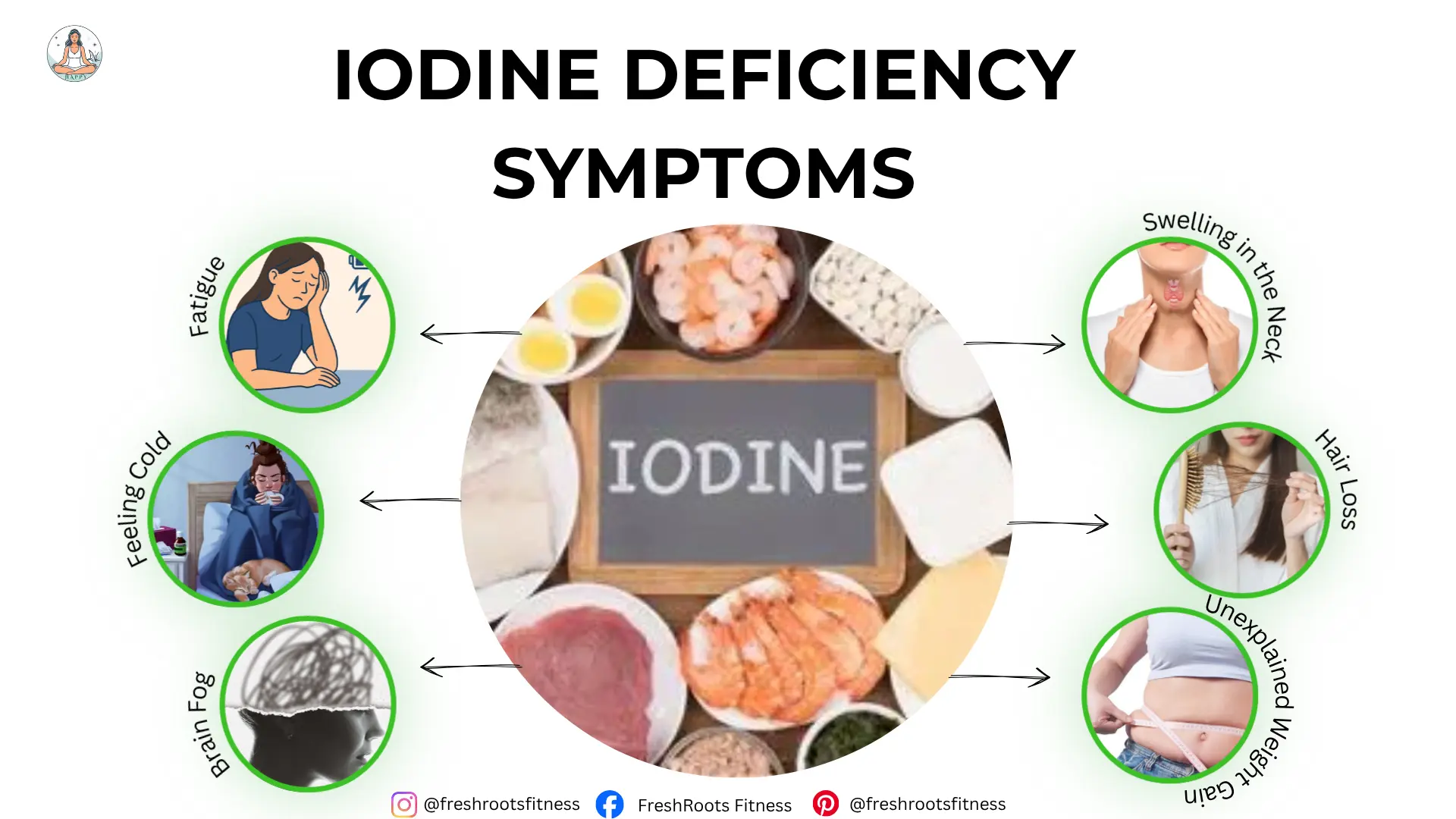
Most people haven’t thought about iodine since middle school science class, if even then. It’s not a mineral that gets talked about much at the dinner table or mentioned in mainstream wellness content. And yet, iodine quietly controls one of the most powerful regulatory systems in your body.
Your thyroid gland, a small butterfly-shaped gland at the base of your neck, depends almost entirely on iodine to produce the hormones that regulate your metabolism, energy levels, body temperature, weight, brain function and even your mood. Without enough iodine, the thyroid can’t do its job. And when the thyroid struggles, the ripple effects touch nearly every system in the body.
Iodine deficiency symptoms are surprisingly common worldwide. The World Health Organization considers iodine deficiency one of the most preventable causes of brain damage and developmental disorders globally. But even in developed countries where iodized salt is widely available, deficiency still affects a meaningful number of adults, particularly pregnant women and people who avoid processed foods or dairy without replacing those iodine sources.
Here’s what makes it so tricky- The symptoms don’t look like iodine deficiency. They look like burnout or anxiety or unexplained weight gain or just getting older. That’s exactly why so many cases go unrecognized and unaddressed for years.
This guide breaks down every major iodine deficiency symptom, explains what’s happening in the body and shows you exactly how to get enough iodine through food and lifestyle and when to seek professional support.
What Does Iodine Actually Do in Your Body?
Iodine has one primary role and it’s an enormously important one.
The thyroid gland uses iodine to manufacture two key hormones, thyroxine (T4) and triiodothyronine (T3). These hormones are released into the bloodstream and regulate the metabolic rate of virtually every cell in the body. They influence how fast or slowly your cells convert nutrients into energy, how your organs function, how your brain develops and how your body responds to temperature, stress and growth.
When iodine is insufficient, the thyroid cannot produce adequate amounts of T3 and T4. In response, the pituitary gland sends a distress signal, thyroid-stimulating hormone (TSH), to push the thyroid to work harder. The thyroid tries to compensate by growing larger, which can result in the visible swelling in the neck known as a goiter.
Experts believe that even mild, subclinical iodine insufficiency, the kind that doesn’t show up dramatically in bloodwork, can produce a range of symptoms that significantly affect quality of life over time.
Common Iodine Deficiency Symptoms
This is where recognition begins. Take a careful look at how many of these symptoms are already familiar to you.
Unexplained Weight Gain
This is one of the most frequently reported and most frustrating symptoms of iodine deficiency. When the thyroid doesn’t get enough iodine, hormone production slows, metabolism drops and the body becomes less efficient at burning calories and fat. Weight accumulates particularly around the midsection even without any significant change in diet or activity level.
Many people experiencing thyroid-related weight gain try diet after diet without success, because no amount of caloric restriction fully compensates for a sluggish metabolism driven by inadequate thyroid hormone. Research suggests that addressing the underlying iodine or thyroid issue is a prerequisite for meaningful, sustainable weight management in these cases.
Persistent Fatigue and Low Energy
A thyroid that’s underproducing hormones due to iodine deficiency puts the entire body into a kind of slow mode. Energy production drops at the cellular level. People feel deeply, chronically tired, not just after a late night, but persistently, day after day, regardless of how much they sleep.
This fatigue is different from ordinary tiredness. It’s a heavy, bone-deep exhaustion that doesn’t lift with caffeine, sleep or rest days. Many people living with this symptom attribute it to stress, overwork or aging and spend years managing the symptom without ever investigating the cause.
Feeling Cold All the Time
Your thyroid hormones are directly involved in regulating body temperature by controlling the rate of cellular heat production. When iodine levels are low and thyroid output drops, heat production slows, and people often feel persistently cold even in warm environments.
Cold hands and feet, feeling chilly while others around you are comfortable and needing more layers than seems logical, are all signs worth noting. Studies indicate that sensitivity to cold is one of the more reliable early indicators of hypothyroidism, the condition that develops when iodine deficiency is sustained long enough.
Hair Loss and Dry, Brittle Hair
Hair follicles are among the fastest-growing cells in the body and they depend heavily on adequate thyroid hormone to maintain their growth cycle. When thyroid hormone production falls due to iodine deficiency, hair follicles can enter a dormant phase prematurely, resulting in diffuse thinning, increased shedding and hair that becomes dry, coarse and brittle.
Many people notice hair coming out in larger amounts than usual when brushing or showering, often months before other symptoms become obvious. Hair loss from thyroid dysfunction tends to be diffuse (spread across the scalp) rather than patchy, which distinguishes it from some other types of hair loss.
Dry Skin and Brittle Nails
The skin and nails share the same dependency on thyroid hormones for healthy cellular turnover and moisture regulation. Iodine deficiency slows the renewal of skin cells and reduces the skin’s ability to produce and retain moisture, resulting in dry, flaky, rough skin that doesn’t respond well to moisturizers.
Nails become brittle, develop ridges and break more easily. Many users notice that their skin and nails seem to change gradually over months and only looking back do they recognize the pattern as something more than normal variation.
Brain Fog and Poor Concentration
Thyroid hormones are essential for normal brain function. They support neurotransmitter activity, nerve signal transmission and the brain’s overall metabolic efficiency. When iodine is low and thyroid output suffers, cognitive performance takes a noticeable hit.
People describe this as brain fog, a persistent difficulty with concentration, memory retrieval and mental clarity. Words feel harder to find. Tasks that used to be effortless require more effort. Thinking feels slower and less sharp than it should.
Research suggests that even mild thyroid dysfunction from subclinical iodine insufficiency can measurably impair cognitive performance, particularly in areas of processing speed and working memory.
Goiter: Swelling in the Neck
A goiter is the physical enlargement of the thyroid gland and it’s one of the most visible iodine deficiency symptoms. When the thyroid is deprived of iodine, the pituitary gland responds by flooding it with TSH in an effort to stimulate more hormone production. Over time, this constant stimulation causes the gland itself to enlarge.
Goiter can range from a barely noticeable fullness at the base of the neck to a visible, significant swelling. Some people also experience difficulty swallowing, a sensation of tightness in the throat or hoarseness as the enlarged gland puts pressure on surrounding structures.
A visible or palpable goiter is always a reason to see a healthcare provider promptly.
Muscle Weakness and Aches
Muscles depend on thyroid hormones to maintain their strength, tone and efficient metabolism. When hormone levels drop due to iodine deficiency, muscles can become weak, stiff and more prone to aching even without physical exertion.
People often report a general sense of physical heaviness and weakness that goes beyond normal tiredness. Muscle cramps and aching joints are also frequently associated with hypothyroid states. These symptoms are commonly attributed to aging, overwork or dehydration, making iodine deficiency easy to overlook as the underlying cause.
Mood Changes and Depression
Thyroid hormones directly influence serotonin and dopamine activity in the brain, the neurotransmitters most closely associated with mood, motivation and emotional resilience. When iodine deficiency suppresses thyroid output over time, these neurotransmitter systems become dysregulated.
The result can include persistent low mood, emotional flatness, lack of motivation, social withdrawal and in some cases, clinical depression. Experts believe that a meaningful proportion of people diagnosed with depression, particularly those who don’t respond well to antidepressants, may have undiagnosed thyroid dysfunction as a contributing factor.
If mood changes are accompanied by other symptoms on this list, thyroid function testing is always worth discussing with a doctor.
Slow Heart Rate (Bradycardia)
Thyroid hormones help regulate the heart’s pace. When levels fall below optimal due to iodine deficiency, the heart can slow to below its normal resting rate a condition called bradycardia. This may present as an unusual awareness of a slow heartbeat, reduced exercise tolerance and increased breathlessness during activity that previously felt manageable.
In contrast to the palpitations associated with an overactive thyroid, an underactive thyroid slows everything down, including the heart’s natural rhythm.
Swollen Face, Hands and Feet (Myxedema)
In more advanced or prolonged cases of iodine deficiency, a form of puffiness or swelling can develop, particularly around the face, eyelids, hands and feet. This is caused by the accumulation of specific mucopolysaccharides in the tissue, a consequence of prolonged low thyroid hormone that alters the way the body manages fluid and protein in soft tissue.
This type of swelling doesn’t respond to leg elevation the way circulatory edema does and tends to have a characteristic “doughy” quality. It’s a sign of significant thyroid dysfunction that requires proper medical evaluation.
Who Is Most at Risk of Iodine Deficiency?
While anyone can develop iodine deficiency with a consistently poor dietary intake, certain groups are at notably higher risk.
Pregnant and Breastfeeding Women
Iodine requirements increase substantially during pregnancy and breastfeeding. The developing fetus and newborn depend entirely on the mother’s iodine supply for healthy brain and neurological development. Deficiency during pregnancy is the leading preventable cause of intellectual disability worldwide.
People Who Avoid Iodized Salt
A significant shift toward sea salt, Himalayan pink salt and kosher salt, none of which are typically iodized, means many health-conscious people have inadvertently reduced one of their primary iodine sources.
Vegans and People With Low Dairy and Seafood Intake
Dairy products (particularly milk) and seafood are among the most reliable dietary iodine sources. People who don’t consume these regularly need to actively seek out other sources, like seaweed or iodine-fortified foods.
People Living in Iodine-Deficient Regions
In inland and mountainous areas where soil iodine is low and access to seafood is limited, deficiency is more prevalent regardless of overall dietary quality. Certain regions of South Asia, Central Africa and parts of Europe are still considered iodine-deficient by WHO standards.
How to Identify Iodine Deficiency Symptoms Through Testing
Recognizing symptoms is the starting point, but confirming deficiency requires proper testing.
The most common approaches include:
- Urine iodine concentration test: Measures the amount of iodine excreted in urine, the most widely used population-level screening tool.
- TSH blood test: Elevated TSH suggests the thyroid is being over-stimulated, often due to insufficient iodine or other thyroid dysfunction.
- Free T3 and Free T4 blood tests: Measure actual circulating thyroid hormone levels.
- Thyroid ultrasound: Used to assess goiter size and thyroid structure when a physical enlargement is noted.
Because many symptoms of iodine deficiency overlap with other conditions, self-diagnosis is unreliable. A full thyroid panel combined with a urine iodine test gives the most complete picture and should always be interpreted by a healthcare provider.
Best Dietary Sources of Iodine
The best long-term strategy for preventing iodine deficiency symptoms is consistent dietary intake from reliable sources.
Seaweed and Sea Vegetables
Seaweed is the single richest natural source of iodine available. Different varieties contain dramatically different amounts:
- Kelp: Can contain up to 2,000 mcg per gram, extremely high, meaning small amounts go a long way.
- Nori: The sheet seaweed used in sushi is more moderate at around 16-43 mcg per sheet.
- Wakame and kombu: Commonly used in Japanese soups and broths, both deliver meaningful iodine.
Because iodine content in seaweed varies so widely, regular but moderate consumption is recommended. Very high daily intake of kelp, in particular, can lead to excess iodine, which can also impair thyroid function.
Seafood and Fish
- Cod: One of the highest fish sources around 158 mcg per 3 oz serving.
- Shrimp: Approximately 35 mcg per 3 oz.
- Tuna (canned): Around 17 mcg per 3 oz.
- Salmon: A moderate source, alongside its omega-3 benefits.
Dairy Products
- Milk: Around 56-88 mcg per cup, one of the most consistent everyday sources for those who consume dairy.
- Yogurt (plain): Around 75 mcg per cup.
- Cheese: Moderate amounts, varying by type.
Eggs
A single large egg provides around 24 mcg of iodine, primarily concentrated in the yolk. Regular egg consumption is a simple and accessible way to contribute to daily intake.
Iodized Salt
Regular iodized table salt contains around 76 mcg of iodine per quarter teaspoon. It remains one of the most widespread and reliable iodine delivery mechanisms in the food supply, which is why the shift away from it among health-conscious consumers without replacing other sources has quietly increased deficiency risk in some populations.
Fortified Foods
Some breads, cereals and infant formulas are fortified with iodine. Reading labels for iodine content is worth building into the habit of checking fortified food products.
The Daily Iodine Requirement
The recommended dietary allowances for iodine are:
- Adults: 150 mcg per day.
- Pregnant women: 220 mcg per day.
- Breastfeeding women: 290 mcg per day.
- Children (1-8 years): 90 mcg per day.
- Children (9-13 years): 120 mcg per day.
The upper tolerable limit for adults is 1,100 mcg per day, above which excess iodine can paradoxically suppress thyroid function. This is why whole food sources are generally safer than high-dose supplementation.
Here Are The Similar Articles You Must Read
Vitamin B12 Deficiency Symptoms
Vitamin K Deficiency Symptoms
Which Diet Plan Is Best for Losing Weight?
How to Improve Iodine Intake Naturally
Addressing mild iodine insufficiency through diet is straightforward for most people.
- Switch back to iodized salt for everyday cooking a simple, effective and affordable change.
- Eat seafood two or three times per week- Cod, shrimp and tuna are all reliable and widely available options.
- Include dairy daily if tolerated- A glass of milk or a serving of yogurt covers a substantial portion of the daily requirement.
- Add nori or wakame to soups, salads or rice dishes- These are the more iodine-moderate seaweeds suitable for regular use.
- Eat eggs regularly- Two eggs provide nearly a third of the adult daily requirement.
- Check prenatal supplements if pregnant- Many prenatal vitamins don’t contain iodine or contain insufficient amounts. Look for one that provides at least 150 mcg.
A Note on Iodine Supplements
Iodine supplements are available over the counter, but they should be approached with caution. Unlike dietary iodine, which comes in physiological amounts that the body can regulate, supplements can be very high-dose and carry a real risk of over-supplementation. Always confirm actual deficiency through testing and supplement only under medical guidance.
Foods That Can Interfere With Iodine Absorption
Some foods called goitrogens can interfere with iodine uptake by the thyroid when consumed in very large quantities. These include:
- Raw cruciferous vegetables- Broccoli, cauliflower, cabbage, Brussels sprouts, kale.
- Soy products in large amounts.
- Cassava and millet.
For people with adequate iodine intake, moderate consumption of these foods poses no significant concern. Cooking cruciferous vegetables significantly reduces their goitrogenic activity. For people already borderline low on iodine, however, very high regular intake of raw cruciferous vegetables or large amounts of soy may worsen thyroid function over time.
Lifestyle Habits That Protect Thyroid and Iodine Function
Beyond diet, several habits support overall thyroid health:
- Manage selenium intake: Selenium is required for converting T4 into the active T3 form Brazil nuts, tuna and eggs are good sources.
- Avoid smoking: Thiocyanates in cigarette smoke interfere with thyroid iodine uptake.
- Limit fluoride and chlorine exposure where possible: Some research suggests high levels may compete with iodine at cellular uptake sites.
- Reduce chronic stress: Cortisol can suppress thyroid hormone activity over time.
- Get regular thyroid check-ups if you’re in a high-risk group, particularly women over 35, those with a family history of thyroid disease and anyone pregnant or planning pregnancy.
When Should You See a Doctor?
Not every symptom on this list requires urgent attention, but certain presentations warrant prompt evaluation:
- Visible or palpable swelling at the base of the throat. (goiter)
- Difficulty swallowing or breathing.
- Significant unexplained weight gain or loss.
- Persistent deep fatigue combined with cold intolerance and hair loss.
- Mood changes, depression or cognitive decline without a clear cause.
- Irregular heartbeat, either very slow or very fast.
- Pregnancy iodine needs are higher and deficiency has serious developmental consequences.
A doctor will typically start with a TSH blood test and may expand to a full thyroid panel and urine iodine test. Treatment for confirmed hypothyroidism from iodine deficiency may include dietary correction, iodine supplementation under supervision or thyroid hormone replacement therapy, depending on severity.
How Long Before Iodine Levels Improve?
With consistent dietary changes:
- Urine iodine levels, one of the most responsive measures, can show improvement within 1-2 weeks of increased intake.
- Thyroid hormone levels (T3/T4) may begin normalizing within 4-8 weeks of sustained dietary improvement.
- Symptoms, fatigue, brain fog and mood may improve noticeably within 6-12 weeks, though more structural symptoms like goiter reduction can take considerably longer.
- Full recovery from moderate-to-severe deficiency may require 3-6 months or longer, particularly if thyroid enlargement has occurred.
By Claveland Clinic- Iodine Deficiency
Consistency is the determining factor. It’s also important to address the cause, simply adding iodized salt back while continuing other deficiency-driving habits won’t produce lasting results.
Conclusion
Iodine deficiency symptoms have a frustrating habit of disguising themselves. They wear the mask of stress. Of aging. Of not sleeping well enough or working too hard. And because they build gradually, most people don’t notice the pattern until it’s been going on for years.
But the thyroid gland is remarkably responsive when it gets what it needs. Restoring adequate iodine through smart, consistent food choices and the right professional support when needed gives this small but powerful gland the raw material to do its job again. And when the thyroid works properly, the downstream effects on energy, weight, mood, brain function and overall vitality can be transformative.
Check your salt. Add some seafood. Include eggs and dairy. Consider getting your thyroid tested if several symptoms on this list resonated with you.
Your thyroid is not asking for much. Just enough iodine to keep doing what it’s been quietly doing for you, every single day.
FAQs
-
Which foods are the best natural sources of iodine?
Top sources include seaweed, cod, shrimp, milk, plain yogurt, eggs and iodized salt. Dairy and seafood are the most consistent everyday sources for most adults in developed countries.
-
Can too much iodine cause problems?
Yes. Excess iodine, typically from supplements rather than food, can paradoxically suppress thyroid function. The upper tolerable daily limit for adults is 1,100 mcg. Whole food sources rarely cause over-supplementation.
-
Can iodine deficiency cause weight gain?
Yes. Low iodine reduces thyroid hormone production, which slows metabolism. This causes the body to store more fat and burn fewer calories, resulting in weight gain even without changes in diet or exercise habits.
-
How is iodine deficiency diagnosed?
A urine iodine test measures urinary iodine excretion, while a TSH blood test indicates how hard the pituitary is stimulating the thyroid. A full thyroid panel gives the most complete picture of thyroid function.
-
Is iodized table salt enough to prevent iodine deficiency?
For most healthy adults, yes it is used consistently in cooking. However, those avoiding all salt, following dairy-free and seafood-free diets or pregnant women may need additional sources or a supplement.
-
What are the most common iodine deficiency symptoms in adults?
The most common signs include unexplained weight gain, persistent fatigue, feeling cold, hair loss, brain fog, dry skin, muscle weakness, mood changes and visible swelling at the throat, known as goiter.

- How to Reduce Cholesterol Naturally With Simple Food Habits - July 4, 2026
- Early Signs of High Blood Sugar Most People Miss Daily - June 25, 2026
- How to Boost Immunity Naturally: Simple Daily Habits - June 23, 2026