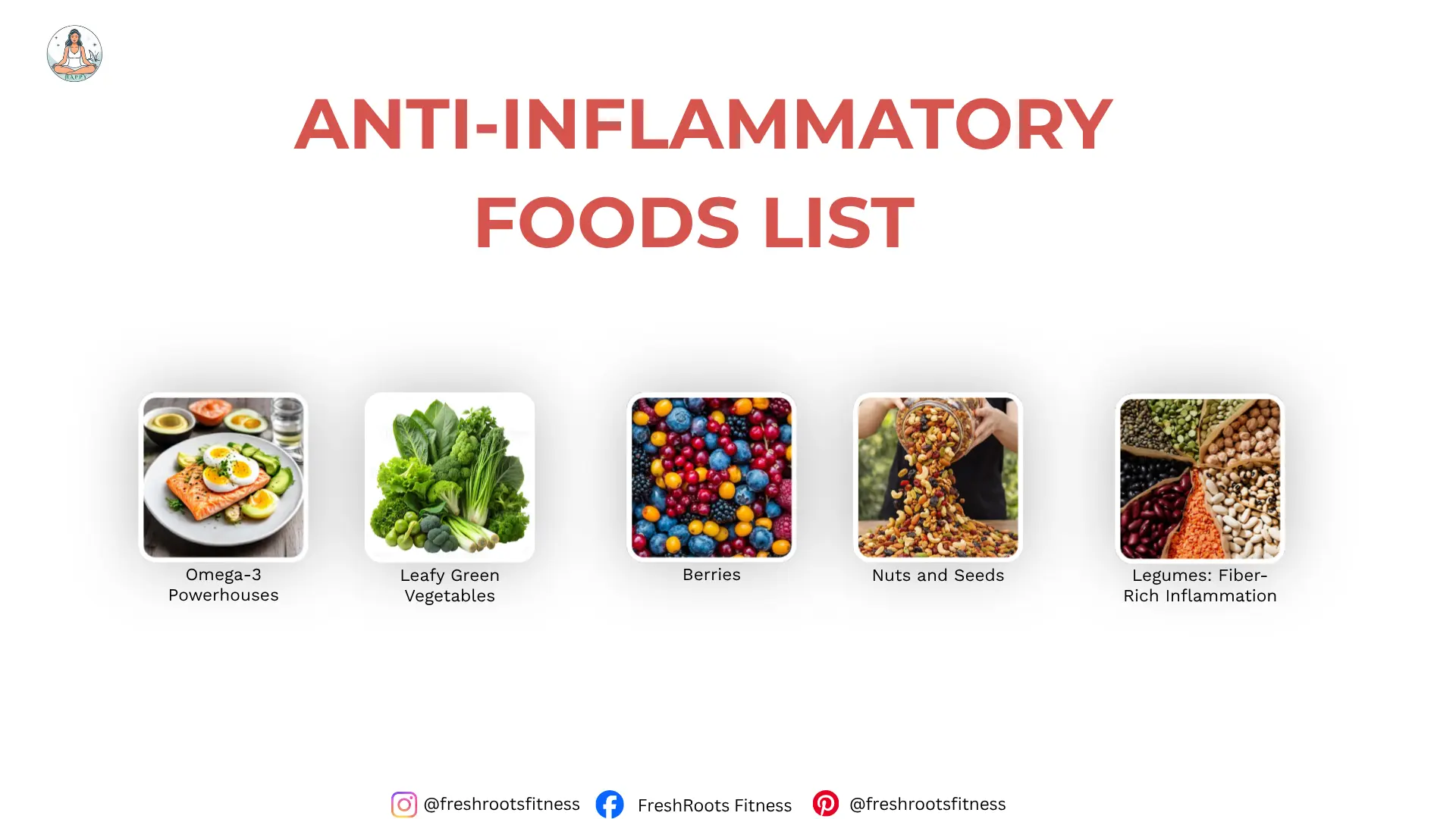
Inflammation gets a bad reputation and for good reason. But here’s something most people don’t know: Inflammation itself isn’t the enemy. It’s actually one of your body’s most powerful defense mechanisms. When you cut your finger or catch a cold, inflammation is what rushes healing agents to the site, fights off invaders and starts the repair process. Short-term, acute inflammation is a sign your body is working exactly as it should.
The real problem is chronic inflammation, the kind that quietly burns at a low level inside the body day after day, week after week, without any injury or infection to justify it. Research suggests that chronic inflammation is a driving force behind some of the most widespread and serious health conditions of our time, including heart disease, type 2 diabetes, certain cancers, arthritis, Alzheimer’s disease and depression.
And one of the most powerful levers you have to control chronic inflammation? Your food.
The anti-inflammatory foods list isn’t a niche wellness concept or a passing dietary trend. It’s grounded in decades of nutritional science showing that specific compounds found in everyday whole foods, polyphenols, omega-3 fatty acids, antioxidants and fiber directly modulate the body’s inflammatory pathways. What you eat every day either feeds inflammation or fights it.
This guide will walk you through exactly which foods earn a place on the anti-inflammatory foods list, why they work, what to eat less of and how to build these foods into your daily routine without turning mealtimes into a chore.
What Is Chronic Inflammation and Why Does It Matter?
Before diving into specific foods, it’s worth understanding what you’re up against.
Chronic inflammation is a state in which the immune system remains activated even when there’s no real threat to defend against. Instead of switching off after completing its job, the inflammatory response stays turned on, producing a steady stream of pro-inflammatory molecules called cytokines that gradually damage tissues, blood vessels, organs and DNA over time.
This low-grade, persistent inflammation often produces no obvious symptoms in its early stages. People don’t feel acutely unwell, they just feel a little more tired than they should, a little more stiff, a little heavier, a little less sharp. By the time it manifests as a diagnosable condition, it’s been building quietly for years.
Experts believe that diet is one of the most modifiable contributors to chronic inflammation. Ultra-processed food, refined sugar, industrial seed oils and excessive alcohol all promote inflammatory signaling in the body. On the flip side, a diet rich in the foods on this anti-inflammatory foods list actively suppresses those pathways and the effects are measurable in blood markers like C-reactive protein (CRP), interleukin-6 and TNF-alpha.
The Mediterranean diet, consistently rated the world’s healthiest dietary pattern is also the most studied anti-inflammatory eating pattern in the scientific literature. It’s not coincidental that its core foods align almost exactly with the anti-inflammatory foods list we’re about to cover.
The Complete Anti-Inflammatory Foods List
Here is a thorough, food-by-food breakdown of the best anti-inflammatory choices organized by category for easy reference.
Fatty Fish: The Omega-3 Powerhouses
Fatty fish sit at the very top of any serious anti-inflammatory foods list. They are the richest dietary source of long-chain omega-3 fatty acids, specifically EPA (eicosapentaenoic acid) and DHA (docosahexaenoic acid), which are among the most potent natural anti-inflammatory compounds known to nutritional science.
EPA and DHA work by competing with omega-6 fatty acids (which are pro-inflammatory in excess) for the same metabolic pathways, effectively reducing the production of inflammatory molecules. They also stimulate the production of resolvins and protectins, signaling molecules that actively switch off inflammatory processes once a threat has been handled.
Studies indicate that regular fatty fish consumption is associated with significantly lower levels of CRP and other inflammatory markers, as well as reduced risk of heart disease, depression and age-related cognitive decline.
The best choices include:
- Salmon one of the most omega-3 dense and widely available options; wild-caught tends to have higher concentrations than farmed
- Sardines, gram for gram, have one of the highest omega-3 concentrations of any fish also rich in calcium, vitamin D and B12
- Mackerel is incredibly nutrient-dense and affordable a powerful anti-inflammatory choice
- Herring widely eaten in Northern Europe and deeply underrated as a health food
- Anchovies intense flavor in small amounts is excellent in dressings, sauces and cooked dishes
- Trout a milder freshwater option with excellent omega-3 content
Aim for at least two to three servings of fatty fish per week to meaningfully influence inflammatory markers over time.
Leafy Green Vegetables: Antioxidant and Micronutrient-Dense
Dark leafy greens are nutritional powerhouses that belong on every anti-inflammatory foods list. They deliver a concentrated combination of vitamins C, E and K, folate, magnesium and an array of plant compounds, particularly flavonoids and carotenoids, that directly reduce oxidative stress and inflammatory signaling.
Vitamin K, in particular, plays a specific role in regulating inflammatory responses and leafy greens are its richest dietary source. Magnesium, as discussed in depth in related articles, also has direct anti-inflammatory effects.
Key players include:
- Spinach is versatile, mild and rich in quercetin and kaempferol, two flavonoids with well-documented anti-inflammatory activity
- Kale contains sulforaphane, a compound that inhibits the NF-κB pathway, one of the master switches of inflammation
- Swiss chard is rich in syringic acid, which helps regulate blood sugar and reduces inflammation driven by glucose spikes
- Arugula is a peppery green with high glucosinolate content, linked to reduced cancer risk and anti-inflammatory benefits
- Collard greens one of the richest plant sources of vitamin K, alongside strong antioxidant content
- Broccoli is technically a cruciferous vegetable rather than a leafy green, but it deserves mention here for its sulforaphane content and broad anti-inflammatory effects
Eating at least two to three servings of dark leafy greens daily, raw in salads, cooked as sides or blended into smoothies, creates a consistent anti-inflammatory nutritional foundation.
Berries: Nature’s Anti-Inflammatory Candy
Berries are one of the most genuinely enjoyable entries on the anti-inflammatory foods list. They’re sweet, versatile, widely available and loaded with some of the most potent plant-based anti-inflammatory compounds in existence.
The key anti-inflammatory compounds in berries are anthocyanins, the pigments responsible for their vibrant red, blue and purple colors. Anthocyanins directly suppress the production of pro-inflammatory cytokines, reduce oxidative damage to cells and improve the function of the gut microbiome, which in turn influences systemic inflammation through the gut-immune axis.
Research suggests that regular berry consumption is associated with lower CRP levels, improved cardiovascular markers, better cognitive function with age and reduced risk of metabolic disease.
The best berry choices include:
- Blueberries have the highest anthocyanin content of any food both fresh and frozen are equally effective
- Strawberries rich in vitamin C and ellagic acid, alongside their anthocyanin content
- Raspberries high in ellagitannins, which are converted by gut bacteria into anti-inflammatory compounds
- Blackberries one of the richest sources of anthocyanins per serving
- Cherries (especially tart cherries) contain specific compounds that reduce uric acid and have been studied specifically for their effects on gout and exercise-induced inflammation
- Goji berries rich in zeaxanthin and beta-carotene, alongside potent antioxidant compounds
A handful of mixed berries daily on yogurt, in oatmeal, in a smoothie or as a snack is one of the simplest and most enjoyable anti-inflammatory dietary habits to build.
Extra Virgin Olive Oil: Liquid Gold for Inflammation
Extra virgin olive oil (EVOO) is the cornerstone fat of the Mediterranean diet and its anti-inflammatory credentials are exceptional. Unlike refined vegetable oils, which are high in omega-6 fatty acids and promote inflammation in excess, EVOO is rich in oleocanthal, a natural compound that acts similarly to ibuprofen by inhibiting COX-1 and COX-2 enzymes, two key drivers of inflammatory pain.
Studies indicate that the oleocanthal content in high-quality extra virgin olive oil produces a measurable anti-inflammatory effect comparable to a low dose of NSAIDs without the side effects.
Beyond oleocanthal, EVOO contains oleic acid (a monounsaturated fat that reduces inflammatory markers), polyphenols that reduce oxidative stress and vitamin E. Research consistently links regular EVOO consumption with lower CRP levels, reduced cardiovascular risk and protection against neurodegenerative disease.
To get the maximum benefit, choose cold-pressed extra virgin olive oil not refined or “light” olive oil, and use it generously as your primary cooking fat for low-to-medium heat cooking, salad dressings, and finishing dishes.
Nuts and Seeds: Small but Mighty
Nuts and seeds belong firmly on the anti-inflammatory foods list. They combine healthy fats, antioxidants, fiber and key minerals into a compact, portable package.
Walnuts stand out as the most anti-inflammatory nut. They’re unique among tree nuts in containing significant alpha-linolenic acid (ALA), a plant-based omega-3 fatty acid, alongside ellagitannins and polyphenols that reduce oxidative stress. Studies indicate that regular walnut consumption reduces multiple inflammatory markers and supports cardiovascular and brain health.
Almonds are rich in vitamin E one of the most potent fat-soluble antioxidants and have been shown to reduce CRP and other inflammatory markers with regular consumption.
Flaxseeds are the richest plant source of ALA and also provide lignan plant compounds with antioxidant and hormone-modulating properties. Ground flaxseed is more bioavailable than whole seeds and is easy to add to smoothies, yogurt and oatmeal.
Chia seeds combine ALA, fiber and calcium in a format that’s easy to incorporate through chia puddings, smoothies and baked goods.
Pumpkin seeds are rich in zinc and magnesium two minerals directly involved in immune regulation and inflammation control.
A small handful of mixed nuts or a tablespoon of ground seeds daily is a consistent, low-effort anti-inflammatory habit.
Turmeric and Ginger
Not all additions to the anti-inflammatory foods list come from the produce section. Certain spices and roots have some of the most well-studied natural anti-inflammatory compounds available.
Turmeric contains curcumin, a polyphenol that has been studied in thousands of research papers for its effects on inflammation. Curcumin inhibits NF-κB, one of the primary molecular switches that turns on inflammatory gene expression throughout the body. It also suppresses COX-2 enzyme activity, similar to conventional anti-inflammatory medications.
The challenge with curcumin is bioavailability it’s poorly absorbed on its own. Consuming turmeric with black pepper (which contains piperine) increases curcumin absorption by up to 2,000%. Pairing it with a fat source (like olive oil or coconut milk in a golden milk latte) further improves uptake.
Research suggests that curcumin is particularly effective for reducing inflammation in osteoarthritis, inflammatory bowel conditions and metabolic disease when consumed consistently over time.
Ginger contains gingerols and shogaols compounds that inhibit pro-inflammatory cytokines and reduce the activity of inflammatory enzymes. Studies indicate that regular ginger consumption reduces muscle soreness, improves arthritis symptoms, reduces nausea and lowers CRP levels over time. Fresh ginger in cooking, ginger tea and ginger added to smoothies are all effective delivery methods.
Cruciferous Vegetables
Beyond broccoli (already mentioned above), the broader cruciferous vegetable family deserves its own place on the anti-inflammatory foods list.
Brussels sprouts, cauliflower, cabbage, bok choy and broccoli sprouts all contain sulforaphane a compound that activates the Nrf2 pathway, the body’s own internal antioxidant and anti-inflammatory defense system. This is particularly powerful because Nrf2 activation doesn’t just reduce existing inflammation, it upregulates the body’s capacity to handle oxidative stress more effectively in the future.
Broccoli sprouts, in particular, contain concentrations of sulforaphane precursors that are 50 to 100 times higher than those of mature broccoli, making even a small amount added to salads or sandwiches a remarkably potent anti-inflammatory food.
Light steaming preserves more sulforaphane than boiling. Eating raw broccoli with mustard (which contains myrosinase enzyme) also significantly increases sulforaphane activation.
Avocado
Avocado is one of the more nutrient-dense entries on the anti-inflammatory foods list. It provides oleic acid, the same primary monounsaturated fat found in olive oil, alongside tocopherols (vitamin E), carotenoids including lutein, zeaxanthin and beta-carotene and a unique combination of phytosterols that reduce intestinal inflammation.
Research suggests that consuming avocado alongside other vegetables significantly increases the absorption of fat-soluble carotenoids from those vegetables making it a powerful companion food that amplifies the anti-inflammatory effects of everything eaten alongside it.
Half a medium avocado daily on toast, in salads, blended into smoothies or eaten with eggs is a simple and satisfying anti-inflammatory habit.
Legumes: Fiber-Rich Inflammation Fighters
Beans, lentils and chickpeas often get overlooked in anti-inflammatory conversations, but they deserve a prominent place on this list. Their anti-inflammatory benefits come from multiple directions simultaneously.
First, legumes are rich in dietary fiber, which feeds beneficial gut bacteria that produce short-chain fatty acids, which in turn reduce gut inflammation and improve systemic immune function. Research consistently links higher fiber intake with lower levels of inflammatory markers.
Second, legumes provide resistant starch, which acts as a prebiotic and supports a diverse, inflammation-regulating gut microbiome.
Third, legumes are rich in polyphenol plant compounds that directly reduce oxidative stress and modulate inflammatory gene expression.
Black beans, kidney beans, lentils, chickpeas, edamame and peas are all excellent choices. Incorporating legumes into three or four meals per week produces measurable improvements in gut microbiome health and inflammatory marker levels over one to two months.
Green Tea: The Polyphenol Drink
Green tea is one of the most studied beverages in all of nutritional science and its anti-inflammatory credentials are well-established. It contains epigallocatechin gallate (EGCG) one of the most potent antioxidants and anti-inflammatories known.
Studies indicate that EGCG inhibits NF-κB activation, reduces TNF-alpha and interleukin-1 production, and protects cells from oxidative damage. Regular green tea consumption has been associated with reduced risk of cardiovascular disease, type 2 diabetes and several types of cancer.
Two to four cups of green tea daily is the range most studies identify as producing meaningful anti-inflammatory benefits. Matcha powdered whole green tea leaves deliver a significantly higher concentration of EGCG per serving than steeped tea.
Dark Chocolate and Cocoa
Yes, dark chocolate earns a place on the anti-inflammatory foods list. High-quality dark chocolate (70% cocoa content or above) is a genuine source of flavonols that reduce inflammation, improve vascular function, lower blood pressure and support cognitive health.
The key is cocoa percentage and minimal processing. The higher the cocoa percentage, the greater the flavanol content. Dutch-processed cocoa has significantly lower flavanol content due to the alkalizing process. Natural or “raw” cocoa preserves more.
One to two squares of 70%+ dark chocolate daily provides a meaningful flavanol dose without excessive sugar, making it one of the more enjoyable entries on any anti-inflammatory eating plan.
Other Notable Anti-Inflammatory Foods
Several additional foods round out a comprehensive anti-inflammatory foods list:
- Tomatoes are rich in lycopene, a carotenoid with particularly strong anti-inflammatory effects; cooking tomatoes in olive oil significantly increases lycopene bioavailability
- Garlic and onions contain organosulfur compounds and quercetin that inhibit inflammatory enzyme activity
- Beets provide betalains, which have direct anti-inflammatory and antioxidant properties
- Pomegranate is exceptionally rich in punicalagins, some of the most potent antioxidant compounds found in any food
- Sweet potatoes provide beta-carotene, vitamin C and anthocyanins alongside their anti-inflammatory fiber
- Whole grains, particularly oats, quinoa and brown rice reduce CRP levels compared to refined grain alternatives through their fiber and phytochemical content
Foods That Promote Inflammation
Building an anti-inflammatory foods list is only half the equation. Equally important is understanding which foods stoke the inflammatory fire.
Refined sugar and high-fructose corn syrup trigger rapid spikes in blood glucose and insulin, driving the production of pro-inflammatory cytokines. Regular high sugar intake is one of the most consistent dietary drivers of chronic inflammation in research.
Industrial seed oils including soybean oil, corn oil, sunflower oil and cottonseed oil are extremely high in omega-6 fatty acids. While some omega-6 intake is necessary, the dramatically skewed omega-6 to omega-3 ratio in modern diets (often 15:1 to 20:1 versus the ideal 4:1 or lower) is a significant driver of systemic inflammation.
Ultra-processed food contains a combination of refined carbohydrates, trans fats, artificial additives, emulsifiers and preservatives that collectively disrupt the gut microbiome, damage the gut barrier and promote systemic inflammatory signaling.
Refined white flour products, such as white bread, pastries, crackers and most packaged baked goods, spike blood sugar rapidly and lack the fiber and phytochemicals that whole grain alternatives provide.
Excessive alcohol impairs gut barrier function, promotes bacterial translocation from the gut into the bloodstream and directly stimulates inflammatory cytokine production in the liver.
Red and processed meat, particularly processed meats like bacon, sausage and deli meats, are associated with higher levels of inflammatory markers, partly through their saturated fat content and partly through compounds like advanced glycation end products (AGEs) formed during high-heat cooking.
Reducing these foods doesn’t require perfection. It requires building awareness and gradually shifting the balance of your diet toward whole, minimally processed options.
How to Build an Anti-Inflammatory Diet in Practice
Knowing the anti-inflammatory foods list is useful. Knowing how to actually eat this way consistently is what creates lasting change.
Start with your oils. Replacing industrial seed oils with extra virgin olive oil for cooking and dressing is one of the highest-leverage single swaps you can make. It’s simple, affordable and produces immediate change in your dietary fat profile.
Add color to every plate. The anti-inflammatory compounds in plant foods, carotenoids, anthocyanins, flavonoids and chlorophyll are what give fruits and vegetables their vibrant colors. A meal with at least three different colors of plant food is almost always a more anti-inflammatory meal than a beige one.
Eat fish twice a week, minimum. Salmon on a weeknight, sardines on toast for lunch, mackerel in a salad two servings of fatty fish per week is a meaningful and achievable target that produces measurable changes in inflammatory markers over six to eight weeks.
Spice with intention. Turmeric, ginger, garlic, rosemary and oregano are not just flavor enhancers, they’re concentrated sources of anti-inflammatory phytochemicals. Making them daily cooking habits rather than occasional additions compounds their benefit over time.
Replace snacks strategically. Swapping processed snacks for a small handful of walnuts, a piece of dark chocolate, some berries with yogurt or sliced vegetables with hummus shifts your between-meal eating from inflammatory to anti-inflammatory without requiring a dramatic lifestyle overhaul.
Build legumes into three to four meals per week. Lentil soup, black bean bowls, chickpea salads, these are filling, affordable and among the most anti-inflammatory staples available.
Lifestyle Habits That Amplify Anti-Inflammatory Eating
Food is the foundation, but several lifestyle factors either amplify or undermine its effects.
- Manage chronic stress, cortisol drives inflammatory signaling. Regular movement, mindfulness and adequate rest are non-negotiable anti-inflammatory lifestyle tools.
- Prioritize sleep, the body’s anti-inflammatory repair processes are most active during deep sleep. Consistently poor sleep drives CRP and inflammatory cytokine levels upward.
- Exercise regularly, moderate physical activity reduces inflammatory markers independently of diet; combining it with anti-inflammatory eating produces the strongest results.
- Avoid smoking, cigarette smoke is a direct and potent driver of systemic inflammation throughout the body.
- Maintain a healthy weight, adipose (fat) tissue, particularly visceral fat around the organs, actively produces pro-inflammatory cytokines. Weight management directly reduces this source of chronic inflammation.
- Stay hydrated. Adequate fluid intake supports kidney function, gut motility and the efficient elimination of metabolic waste products that contribute to inflammatory load.
When to See a Doctor About Inflammation
If you suspect chronic inflammation is affecting your health, a doctor can run blood tests for inflammatory markers, particularly CRP (C-reactive protein), ESR (erythrocyte sedimentation rate) and interleukin-6. These tests give a measurable baseline and help track progress over time.
See a doctor if you experience:
- Persistent joint pain, swelling or stiffness without injury
- Unexplained fatigue that doesn’t improve with rest
- Recurrent digestive discomfort or flare-ups of known conditions
- Skin conditions like psoriasis or eczema that aren’t responding to treatment
- Any known inflammatory condition, including rheumatoid arthritis, IBD or lupus, that is worsening
Dietary changes are a powerful complement to medical treatment they are not a substitute for it in cases of confirmed inflammatory disease.
How Long Does an Anti-Inflammatory Diet Take to Work?
The timeline for measurable results depends on the starting point and consistency, but research gives us useful benchmarks.
- Blood inflammatory markers (CRP): Studies show meaningful reductions within 4-8 weeks of consistent anti-inflammatory eating
- Joint pain and stiffness: Many people report noticeable improvement within 4-6 weeks of consistent omega-3 and antioxidant-rich eating
- Digestive improvements: Gut-related inflammation often responds within 2-4 weeks of increased fiber and probiotic-supporting food intake
- Energy and mood: These more subjective markers often improve within 3-6 weeks as oxidative stress reduces and gut health improves
- Long-term disease risk reduction: The most significant benefits are reduced risk of cardiovascular disease, diabetes and cognitive decline that accumulate over years of consistent dietary habits
By HealthLine- Anti-Inflammatory Foods to Eat
The most powerful aspect of anti-inflammatory eating is not any single meal, it’s the cumulative effect of daily choices made consistently over months and years.
Conclusion
There’s no neutral. Every food choice you make either tilts your internal environment toward chronic inflammation or away from it. The anti-inflammatory foods list isn’t a diet, it’s a framework for understanding the relationship between what you eat and how your body manages one of its most fundamental biological processes.
The good news is that the foods on this list are not exotic, expensive, or difficult to prepare. Salmon, blueberries, spinach, olive oil, walnuts, lentils, broccoli, turmeric, ginger, dark chocolate. These are foods that most people already have some access to and some familiarity with. The goal is frequency and consistency, not perfection.
Start with one or two swaps this week. Choose olive oil over vegetable oil. Add a handful of berries to breakfast. Cook with turmeric and ginger. Eat one portion of fatty fish. These small shifts, compounded over weeks and months, build an eating pattern that actively works against the silent inflammation that underlies so much modern disease.
Your body has the capacity to fight chronic inflammation. Feed it the tools to do so.
FAQs
-
What are the best anti-inflammatory foods to eat daily?
Fatty fish, leafy greens, berries, extra virgin olive oil, walnuts, turmeric, ginger, broccoli, avocado and green tea are the most evidence-backed anti-inflammatory foods to include consistently every day.
-
Can anti-inflammatory foods help with joint pain?
Yes. Omega-3-rich foods like salmon and walnuts, alongside turmeric and ginger, have well-documented effects on joint inflammation. Studies show meaningful improvement in arthritis pain and stiffness within 4-6 weeks.
-
What foods cause the most inflammation?
Refined sugar, ultra-processed food, industrial seed oils (soybean, corn, sunflower), white flour products, processed meats and excess alcohol are the most consistently linked to elevated chronic inflammation in research.
-
How quickly does an anti-inflammatory foods list diet show results?
Most people notice energy and digestive improvements within 2-4 weeks. Blood inflammatory markers like CRP typically show measurable reduction within 4-8 weeks of consistent anti-inflammatory eating.
-
Is coffee anti-inflammatory?
Research suggests moderate coffee consumption, two to four cups daily is associated with lower inflammatory markers in most adults. Coffee contains polyphenols and chlorogenic acid that have antioxidant and anti-inflammatory properties.

- How to Reduce Cholesterol Naturally With Simple Food Habits - July 4, 2026
- Early Signs of High Blood Sugar Most People Miss Daily - June 25, 2026
- How to Boost Immunity Naturally: Simple Daily Habits - June 23, 2026