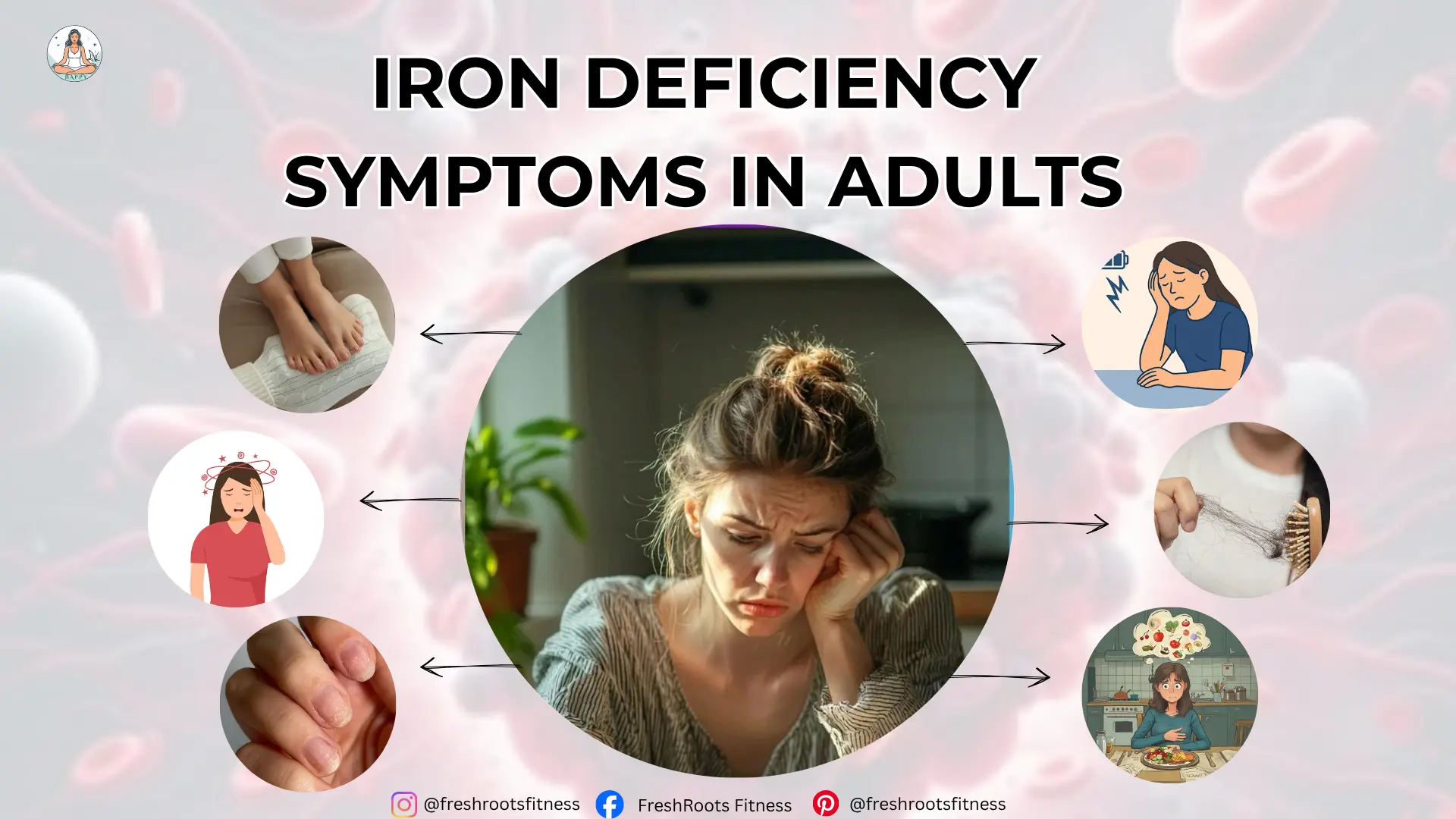
You’re tired, but you slept fine. Your head aches, but you haven’t skipped water. You feel cold when everyone else is comfortable. Your hair is falling out more than usual and no matter how much rest you get, that heavy, dragging fatigue won’t lift.
Most people blame stress, some blame age. Very few think to check their iron levels.
Iron deficiency is the most common nutritional deficiency in the world and in adults, its symptoms are remarkably easy to overlook. They don’t announce themselves dramatically. They show up gradually, disguised as everyday tiredness, mood shifts and minor physical changes that seem unrelated to one another.
Iron deficiency symptoms in adults are often missed for months, sometimes years, because they blend so naturally into the background of a busy life. By the time a diagnosis is made, many people look back and realize their body had been signaling the problem for a long time.
This guide breaks down exactly what iron deficiency looks like in adults, why it develops, which symptoms are most commonly missed and what you can do starting today to address it properly.
Understanding Iron Deficiency Symptoms in Adults
Iron is essential. It’s the core component of hemoglobin, the protein in red blood cells that carries oxygen from your lungs to every cell in your body. Without adequate iron, your body can’t produce enough healthy red blood cells. Without enough healthy red blood cells, your tissues and organs receive less oxygen than they need.
The result? Your body starts struggling quietly, gradually, in ways that affect energy, cognition, mood, physical appearance and immune function all at once.
What makes iron deficiency symptoms in adults particularly tricky to catch is that the body compensates for a long time before symptoms become obvious. Your body is remarkably good at maintaining function under suboptimal conditions, but that compensation has a cost and eventually the signs break through.
Research suggests that iron deficiency exists on a spectrum. The early stage of iron depletion often produces no symptoms at all. The next stage, iron-deficient erythropoiesis, starts to affect red blood cell production. Only in the final stage of iron deficiency anemia do most people begin to notice clear, consistent symptoms. This means many adults are iron-deficient for months before they feel it strongly enough to seek help. Knowing the early, subtle signs gives you a meaningful head start.
What Causes Iron Deficiency in Adults
Iron deficiency doesn’t appear out of nowhere. In most adults, it develops because of one or more of the following factors.
Insufficient Iron Intake
A diet low in iron-rich foods is the most straightforward cause. Red meat, organ meats, shellfish, legumes and dark leafy greens are among the best dietary sources of iron. People following restrictive diets, including vegetarian and vegan diets, without careful planning, are at higher risk of insufficient iron intake.
It’s also worth noting that not all dietary iron is equal. Heme iron found in animal products is absorbed far more efficiently than non-heme iron from plant sources. This means vegetarians and vegans need to consume significantly more iron-containing foods to meet the same needs as someone eating meat regularly.
Poor Iron Absorption
Even when iron intake is adequate, absorption can be compromised. Conditions like celiac disease, Crohn’s disease, and inflammatory bowel disease can damage the lining of the small intestine, where iron absorption primarily occurs, making it difficult for the body to take in adequate iron regardless of diet.
Certain medications, particularly proton pump inhibitors (used for acid reflux), reduce stomach acid levels and impair iron absorption. Drinking coffee or tea with meals also reduces iron absorption significantly due to the tannins they contain.
Blood Loss
Chronic blood loss is one of the most common and underrecognized causes of iron deficiency in adults. Heavy menstrual periods are the leading cause among women of reproductive age. Gastrointestinal bleeding from ulcers, hemorrhoids, polyps or, in serious cases, colorectal cancer is a significant cause in both men and older adults. This type of internal bleeding is often invisible and goes undetected for extended periods.
Increased Iron Demand
Pregnancy dramatically increases the body’s iron requirements, growing a baby and placenta while expanding blood volume requires significantly more iron than the body normally needs. Without deliberate supplementation, pregnancy-related iron deficiency is extremely common.
Intense regular exercise, particularly endurance athletics, also increases iron demand. Athletes lose more iron through sweat and footstrike hemolysis (the breakdown of red blood cells during repeated impact), making them a higher-risk group.
Iron Deficiency Symptoms in Adults That Most People Miss
These are the signs that consistently fly under the radar, the ones people live with for months, attributing them to other causes.
Persistent, unexplained fatigue: This is the most common and most dismissed iron deficiency symptom in adults. Not just normal tiredness, a heavy, bone-deep exhaustion that doesn’t improve with sleep. Because cells aren’t receiving adequate oxygen, the body’s energy production drops at a fundamental level. Many people assume they’re simply overworked or stressed, never connecting the fatigue to their iron levels.
Unusual paleness: When red blood cell count drops, the skin loses some of its natural color. This is most visible in the inner lower eyelid, which normally has a healthy pink or red appearance. If it looks pale or washed out, that’s a significant visual clue. Paleness in the face, gums and nail beds can also be noticeable, though these are easier to miss in people with darker skin tones.
Shortness of breath while doing ordinary things: Climbing stairs, carrying groceries, walking a few blocks, activities that should feel effortless, start leaving you breathless. This happens because your blood isn’t carrying enough oxygen, so even minor exertion puts greater demand on your cardiovascular and respiratory systems than they can comfortably meet.
Heart palpitations or a racing heart: To compensate for reduced oxygen delivery, the heart works harder, beating faster to circulate blood more quickly. Some adults experience this as a fluttering sensation, an irregular heartbeat or a racing pulse, particularly after minor physical effort. Many people never connect this symptom to iron levels.
Cold hands and feet: Iron deficiency affects circulation. Poor oxygen delivery causes blood vessels in the extremities to constrict as the body prioritizes oxygen for vital organs. The result is chronically cold hands and feet, even in warm environments. Many people write this off as “just how I am,” without realizing it could point to an underlying deficiency.
Frequent headaches and dizziness: The brain is highly sensitive to reduced oxygen supply. When iron deficiency limits how much oxygen the blood delivers, the brain responds with headaches, lightheadedness and occasional dizziness, particularly when standing up quickly. These are among the most commonly misattributed iron deficiency symptoms in adults.
Hair loss or thinning: Iron is essential for hair follicle function. When the body is iron-deficient, it prioritizes delivering what little oxygen is available to vital organs and hair follicles are not vital organs. The result is that follicles prematurely enter the resting phase, leading to noticeable thinning or increased shedding. Many adults spend months and money on topical hair treatments without ever addressing the iron deficiency underneath.
Brittle or spoon-shaped nails: Nails that chip, crack or peel easily are a recognized sign of iron deficiency. In more advanced cases, a distinctive condition called koilonychia develops, where nails take on a concave, spoon-like shape rather than the normal curved appearance. This is one of the more telling physical signs when it appears.
Difficulty concentrating and brain fog: Cognitive function depends on steady oxygen delivery to the brain. Iron deficiency reduces this supply, leading to noticeable difficulty concentrating, mental fatigue, poor memory and a general sense of mental cloudiness. Many adults in iron-deficient states find it harder to focus at work or recall things they should remember easily.
Restless legs syndrome: An underappreciated connection iron deficiency is one of the most common underlying causes of restless legs syndrome (RLS), the uncomfortable urge to move the legs, particularly at night. Studies indicate that iron plays a role in dopamine function in the brain and disruption to this pathway may contribute to the uncomfortable sensations associated with RLS.
Unusual cravings pica: Some adults with iron deficiency develop cravings for non-food substances like ice, clay, dirt or chalk. This condition, called pica, is more common than most people realize and is a well-recognized indicator of significant iron deficiency. Craving and chewing ice (pagophagia) is the most commonly reported form among adults.
Frequent infections and slow immunity: Iron plays an important role in immune function. Iron-deficient adults often find that they catch colds and infections more frequently than they used to and that recovery takes longer than expected. The immune system simply doesn’t operate at full capacity without adequate iron.
How to Address Iron Deficiency Naturally and Medically
Increase dietary iron intake: The most sustainable long-term strategy is to consistently consume iron-rich foods. Heme iron sources include red meat (particularly beef and lamb), organ meats like liver, shellfish and poultry. Non-heme iron sources include lentils, chickpeas, tofu, pumpkin seeds, quinoa, fortified cereals and dark leafy greens like spinach and kale.
Pair iron with vitamin C: Vitamin C dramatically enhances non-heme iron absorption. Eating iron-rich plant foods alongside vitamin C sources, such as citrus fruits, bell peppers, strawberries and tomatoes, significantly improves how much iron your body actually absorbs from plant-based meals.
Avoid iron absorption blockers at meals: Calcium, tannins in coffee and tea and phytates in some grains can inhibit iron absorption when consumed at the same meal as iron-rich foods. Drinking coffee or tea between meals rather than with them is a practical step that makes a real difference.
Consider iron supplementation: When dietary changes alone aren’t sufficient or when deficiency is already established, iron supplements are often necessary. Ferrous sulfate is the most commonly prescribed form. Iron supplements are best taken on an empty stomach for maximum absorption, though this can cause nausea in some people, in which case taking them with a small amount of food is a reasonable compromise.
Address the underlying cause: Supplementing iron without identifying why levels dropped is only a partial solution. If blood loss is the cause, whether from heavy periods or gastrointestinal bleeding, it needs direct attention.
Daily Habits That Support Healthy Iron Levels
- Eat iron-rich foods at least once daily- Consistency over intensity matters more than occasional high-iron meals
- Cook acidic foods in cast-iron pans- Acidic foods cooked in cast iron absorb small amounts of iron from the pan a practical, proven way to increase dietary iron
- Getting regular blood tests- A full blood count (CBC) and serum ferritin test annually is the most reliable way to track iron levels before symptoms develop
- Limit tea and coffee around mealtimes- Leave at least one hour after iron-rich meals before drinking these
- If vegetarian or vegan, plan iron intake deliberately- Don’t leave it to chance, use a food tracking app occasionally to ensure targets are being met
When to See a Doctor
Iron deficiency rarely resolves on its own once it’s established and some causes require direct medical intervention. See a doctor if:
- Fatigue, brain fog, or breathlessness are persistent and affecting daily function
- You’ve been experiencing heavy periods consistently
- You notice blood in your stool, dark or tarry stools, or unexplained abdominal symptoms
- Hair loss is significant and not explained by other factors
- You experience restless legs at night regularly
- You’ve tried dietary changes for several months without improvement
A doctor will typically order a serum ferritin test (the most sensitive early marker of iron stores) alongside a full blood count. Treatment depends entirely on the cause and getting that diagnosis right is what allows the right treatment to follow.
According to MayoClinic- Iron deficiency
How Long Does Recovery Take?
With appropriate treatment, whether dietary changes, supplements, or addressing an underlying cause, iron levels typically begin to improve within four to eight weeks.
Fatigue and energy improvements are often among the first things people notice, frequently within two to four weeks of starting iron supplementation. Hair loss tends to slow first before regrowth becomes visible full hair recovery can take three to six months.
Complete iron store restoration (reflected in serum ferritin levels) typically takes three to six months of consistent treatment. Many doctors recommend continuing iron supplementation for several months after blood levels normalize to ensure stores are fully replenished.
Conclusion
Iron deficiency symptoms in adults are quiet, cumulative and consistently mistaken for something else. Fatigue blamed on a busy schedule. Headaches are blamed on dehydration. Hair loss is blamed on stress. Cold hands are blamed on poor circulation. Brain fog is blamed on aging. But when these symptoms cluster together and especially when they don’t respond to rest, water or reduced stress, iron is worth investigating.
The good news is that iron deficiency, caught at any stage, is very treatable. A simple blood test, the right dietary adjustments, supplementation when needed and attention to the underlying cause can restore your energy, clarity and overall vitality meaningfully and relatively quickly. Don’t keep explaining away symptoms that deserve a proper answer. If your body has been sending you these signals, it’s time to listen.
FAQs
-
What are the most common iron deficiency symptoms in adults?
The most common signs are persistent fatigue, paleness, shortness of breath, cold hands and feet, frequent headaches, hair loss and difficulty concentrating. These symptoms often appear gradually and are easy to attribute to other causes.
-
Is it possible to have iron deficiency without anemia?
Yes. Iron depletion and iron-deficient erythropoiesis are earlier stages where iron stores are low, but anemia hasn’t yet developed. Symptoms can still appear at these stages and serum ferritin levels will reflect the deficiency before a standard blood count does.
-
What foods are highest in iron?
Red meat, liver, shellfish, lentils, chickpeas, tofu, pumpkin seeds, spinach and fortified cereals are among the best sources. Pairing plant-based iron with vitamin C significantly improves absorption.
-
How long does it take to recover from iron deficiency?
Energy improvements are often noticed within 2-4 weeks of supplementation. Full iron store restoration typically takes 3-6 months. Hair regrowth takes longer, usually 4-6 months after levels normalize.
-
Can iron deficiency cause anxiety or depression?
Low iron affects dopamine and serotonin pathways in the brain, which can contribute to low mood, irritability and anxiety. These symptoms often improve meaningfully once iron levels are restored through diet or supplementation.
-
How is iron deficiency diagnosed?
A doctor orders a serum ferritin test and a full blood count. Ferritin is the most sensitive early marker it reflects stored iron even before anemia develops. Results are usually available within a day or two.

- How to Reduce Cholesterol Naturally With Simple Food Habits - July 4, 2026
- Early Signs of High Blood Sugar Most People Miss Daily - June 25, 2026
- How to Boost Immunity Naturally: Simple Daily Habits - June 23, 2026