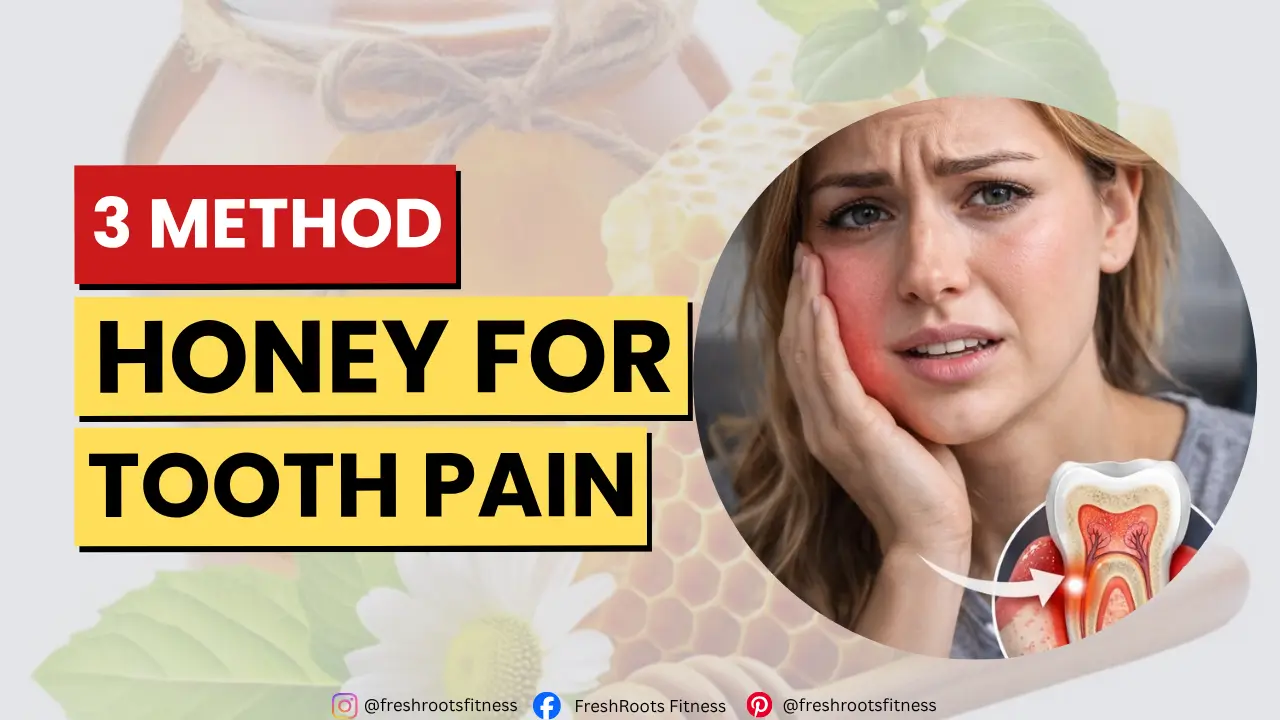
Tooth pain has a way of showing up at the worst possible time, late at night, on a holiday weekend or right before an important event. And when it hits, you’ll try almost anything for even a few minutes of relief.
That’s when many people start raiding the kitchen pantry. One natural remedy that keeps coming up, in online searches, grandmothers’ advice and health forums, is honey. But does honey for tooth pain actually work or is it just a feel-good myth passed down through generations?
Honey is more than just a sweet treat. It has been used for centuries in traditional medicine across cultures, from ancient Egypt to Ayurvedic practice in India. Research suggests that honey carries real antibacterial and anti-inflammatory properties that might offer genuine relief when your tooth is throbbing.
In this article, we’ll break down exactly what honey can and cannot do for your dental pain, the safest ways to use it at home and the clear signs that it’s time to stop self-treating and pick up the phone to call a dentist.
What Is Honey and Why Do People Use It for Tooth Pain
Honey is far more complex than it looks sitting in a jar on your shelf. Raw honey, especially Manuka honey sourced from New Zealand, contains a powerful antibacterial compound called methylglyoxal (MGO). Studies indicate that this compound actively fights certain harmful bacteria, including strains that thrive in the mouth and contribute to tooth decay and gum infections.
When a tooth aches, the pain usually traces back to one of a few sources: bacterial activity breaking down tooth structure, inflammation in the surrounding gum tissue or irritation of the nerve inside the tooth. Honey may genuinely help with the first two.
Here’s what research suggests honey can do when applied to an aching tooth:
- Fight harmful bacteria – Raw honey has natural antimicrobial activity that may slow the growth of decay-causing oral bacteria.
- Calm inflammation – Honey contains antioxidants and anti-inflammatory compounds that may reduce swelling and irritation in gum tissue.
- Coat and soothe – Its thick, sticky texture creates a protective layer over the sensitive area, which can temporarily reduce sharp sensations.
- Support tissue healing – Some studies show honey helps speed up minor wound healing, which can be helpful after a tooth extraction or gum irritation.
The key thing to understand right away is that using honey for tooth pain is a supportive, temporary measure, not a cure. It won’t fix a cavity, clear an abscess or replace a lost filling. But as a first-aid option while you wait for your dental appointment? It may offer real, meaningful comfort.
Common Causes of Tooth Pain You Should Know
Before you reach for the honey jar, it helps to understand why your tooth hurts in the first place. The cause matters because different types of pain respond differently to home remedies and some require urgent professional care.
Tooth Decay and Cavities
This is the most common culprit. Bacteria in your mouth feed on sugars and produce acid as a byproduct. That acid gradually wears away your tooth enamel and creates cavities. As decay deepens, it reaches the sensitive inner layers of the tooth and causes pain, especially when eating something sweet, cold or hot.
Gum Disease
Gum disease begins quietly as gingivitis, with mild redness and puffiness of the gums. If ignored, it progresses to periodontitis, where the gums start pulling away from the teeth and create pockets where infection takes hold. Many people report a dull, persistent ache along the gum line as an early warning sign.
Cracked or Chipped Tooth
A small crack in a tooth can be invisible to the eye but devastating to your comfort. Cracks expose the sensitive inner dentin and sometimes the nerve, causing sharp, shooting pain when you bite down. This kind of pain often catches people off guard because there’s no obvious visible damage.
Tooth Abscess
An abscess is a serious bacterial infection, usually forming at the root of a tooth. It brings intense, throbbing pain, facial swelling and sometimes fever. This is not a situation where honey or any home remedy can do the job. An abscess needs professional dental treatment right away.
Post-Dental Procedure Sensitivity
Not all tooth pain signals a new problem. After fillings, crowns or root canals, it’s completely normal for a tooth to feel sore or sensitive for a few days. This usually settles down on its own as the tooth heals.
Wisdom Tooth Eruption
When a wisdom tooth tries to push through but doesn’t have room, it creates pressure, swelling and significant pain in the back of the mouth. The gum tissue around the emerging tooth can also become inflamed and tender.
Signs That Your Tooth Pain Is Getting Worse
Not every toothache is the same. Some are manageable and fade with rest and basic care. Others are red flags from your body that something more serious is happening. Here are signs your pain is escalating:
- A constant, throbbing ache that doesn’t go away on its own
- Swelling in your gums, cheek or around your jaw
- Pain that wakes you up in the middle of the night
- Sensitivity to hot liquids that lingers longer than 30 seconds after you stop drinking
- A visible hole, dark spot or obvious damage on the tooth
- A bitter taste or foul smell coming from the area (this often signals infection)
- Fever or swollen lymph nodes in the neck
If you notice any of these signs alongside your toothache, please don’t rely on home remedies alone. These are signals that you need professional dental care and soon.
How to Use Honey for Tooth Pain at Home
Now for the practical part. If you want to try honey for tooth pain as a natural home remedy, here’s how to use it correctly and safely.
Step one: Choose the right honey. Not all honey works equally well. Raw Manuka honey is the gold standard for health-related use because of its concentrated antibacterial strength. If you can’t find Manuka, raw, unfiltered honey from a health food store is your next best option. Regular store-bought processed honey is less effective because the beneficial compounds have largely been removed.
Method 1: Direct Application
This is the simplest and most effective approach for localized pain.
- Wash your hands thoroughly before touching your mouth.
- Dip a clean cotton swab or the tip of a clean finger into raw honey.
- Apply a small, pea-sized amount directly to the aching tooth and the gum tissue around it.
- Leave it in place for 10-15 minutes.
- Rinse your mouth thoroughly with warm water afterward.
- Repeat two to three times daily as needed.
Some users notice a mild soothing sensation within minutes of application, which can make the discomfort easier to manage.
Method 2: Honey and Warm Water Rinse
This works well when the pain is more spread out across the gum area rather than a single tooth.
- Stir one teaspoon of raw honey into a glass of warm, not boiling water until it dissolves.
- Swish the mixture around your mouth for 30 to 60 seconds, focusing on the painful side.
- Spit it out completely and follow with a plain water rinse.
- Do these two to three times a day.
Method 3: Honey and Clove Oil Blend
Clove oil contains eugenol, a natural compound with well-documented numbing properties that dentists have used for decades. Combining it with honey can produce noticeably faster relief.
- Add one single drop of food-grade clove oil to a small amount of raw honey and mix them. Use only one drop of clove oil, which is very concentrated and can irritate if overused.
- Apply the blend to the painful area with a cotton swab.
- Leave it for 10 minutes, then rinse.
Experts believe this combination works particularly well because the clove oil addresses the pain signal directly while the honey supports the antibacterial environment around the tooth.
Important precautions to keep in mind:
- Never use honey on infants under 12 months old for any reason; honey can cause infant botulism, which is dangerous.
- Don’t leave honey sitting on your teeth for extended periods without rinsing, as the natural sugars can feed bacteria if not removed.
- Always rinse thoroughly after each application to prevent sugar buildup.
Lifestyle Habits That Help Prevent Tooth Pain
Honey can help you manage discomfort in the moment, but the bigger goal is avoiding that sharp, 2 a.m. toothache altogether. Experts believe that most dental problems are highly preventable with consistent daily care.
Here are simple habits that genuinely protect your oral health:
- Brush for two minutes, twice a day – Use a soft-bristle toothbrush and fluoride toothpaste. Be thorough but gentle.
- Floss every single day – Food stuck between teeth is a major driver of decay and gum inflammation. Flossing reaches places your brush never will.
- Cut back on sugar and acidic drinks – Soda, candy, citrus juices and energy drinks are among the biggest enemies of tooth enamel.
- Drink more water – Staying hydrated supports healthy saliva production. Saliva is your mouth’s built-in antibacterial rinse.
- Eat tooth-friendly foods – Dairy products, leafy greens, nuts and crunchy vegetables all support strong enamel and healthy gums.
- Wear a night guard if you grind – Teeth grinding causes microfractures, sensitivity and long-term structural damage. A custom night guard protects you while you sleep.
- See your dentist every six months – Professional cleanings remove tartar that no brush can tackle, and routine checkups catch problems early, before they become painful or costly.
When Should You See a Dentist?
Using honey for tooth pain is a reasonable bridge between the moment your tooth starts aching and the day you get into the dentist’s chair. But it has limits and recognizing those limits is important.
Make an appointment or go to an emergency clinic if you experience any of the following:
- Pain that doesn’t ease up after 48 hours of home care
- Severe, throbbing pain that spreads to your jaw, ear or the side of your neck
- Visible swelling on your face, jaw or gum tissue
- Fever or a general sense of illness accompanying the tooth pain
- A tooth that is visibly broken, cracked or has fallen out
- Post-procedure pain that gets worse instead of better with each passing day
It’s worth knowing that an untreated dental infection can become genuinely dangerous. In rare but serious cases, bacteria from an oral abscess can spread beyond the mouth and into surrounding tissue or the bloodstream. Professional care is not optional when things reach that level.
How Long Before You Feel Relief?
If you apply honey for tooth pain at home, you may notice some soothing effect within 15-30 minutes, primarily from the coating and cooling action of the honey on the inflamed tissue. The antibacterial benefit takes longer, building up gradually with consistent use.
Many people report a meaningful reduction in mild-to-moderate discomfort after using honey consistently for 24-48 hours, particularly when combined with good oral hygiene practices. That said, if the underlying issue, the cavity, the cracked tooth, the infection, isn’t being treated professionally, the pain will come back.
According to WebMD- Toothache Relief and Home Remedies
Think of honey as a way to take the edge off your discomfort while you wait for proper dental care, not as the solution itself. Real and lasting relief comes from treating the root cause.
Conclusion
So, does honey actually work for tooth pain? The honest answer is: yes, within limits, and those limits matter.
Raw honey, especially Manuka honey, brings legitimate antibacterial and anti-inflammatory properties to the table. It can soothe mild tooth and gum pain, calm irritated tissue and may help slow bacterial activity around the affected area. For short-term relief while you wait for a dental appointment, trying honey for tooth pain is a sensible, low-risk choice.
But honey is not a dentist. It cannot cure a cavity, clear an infection or fix structural damage to a tooth. If your pain is severe, spreading or not improving, please seek professional care without delay.
Take good care of your teeth daily, use natural remedies with realistic expectations and keep up with regular dental visits. Small, consistent habits are what protect your smile in the long run.
FAQs
-
What type of honey is best for tooth pain?
Raw Manuka honey is widely considered the most effective option because it contains high concentrations of methylglyoxal (MGO), which gives it superior antibacterial strength. If Manuka isn’t available, raw, unfiltered honey is a good alternative. Processed commercial honey has fewer active properties.
-
Does honey for tooth pain actually provide relief?
Yes, to a meaningful degree in mild cases. Honey has antibacterial and anti-inflammatory properties that can calm irritated gum tissue and reduce mild tooth pain temporarily. It works best as a short-term home remedy alongside professional dental care, not as a replacement for it.
-
Does mixing honey with clove oil make it more effective for tooth pain?
Yes, this combination is popular for good reason. Clove oil contains eugenol, a natural numbing agent that targets pain signals directly. When combined with honey’s antibacterial and anti-inflammatory properties, the two work well together for faster, more noticeable short-term relief.
-
Can honey cure a tooth abscess?
No. A tooth abscess is a serious bacterial infection that requires professional dental treatment, typically antibiotics and drainage of the infection. While honey’s antibacterial properties may offer minor surface comfort, it cannot treat an abscess. See a dentist urgently if you suspect one.
-
Is it safe to use honey for a child’s tooth pain?
Honey should never be given to children under 12 months old due to the risk of infant botulism. For older children, small amounts applied topically to a sore tooth are generally considered safe, but always consult a pediatrician or dentist first.
-
How often can I apply honey to a painful tooth?
Two to three times per day is a reasonable frequency. Always rinse your mouth thoroughly with water after each application to avoid leaving sugar residue on your teeth for extended periods.

- How to Reduce Cholesterol Naturally With Simple Food Habits - July 4, 2026
- Early Signs of High Blood Sugar Most People Miss Daily - June 25, 2026
- How to Boost Immunity Naturally: Simple Daily Habits - June 23, 2026