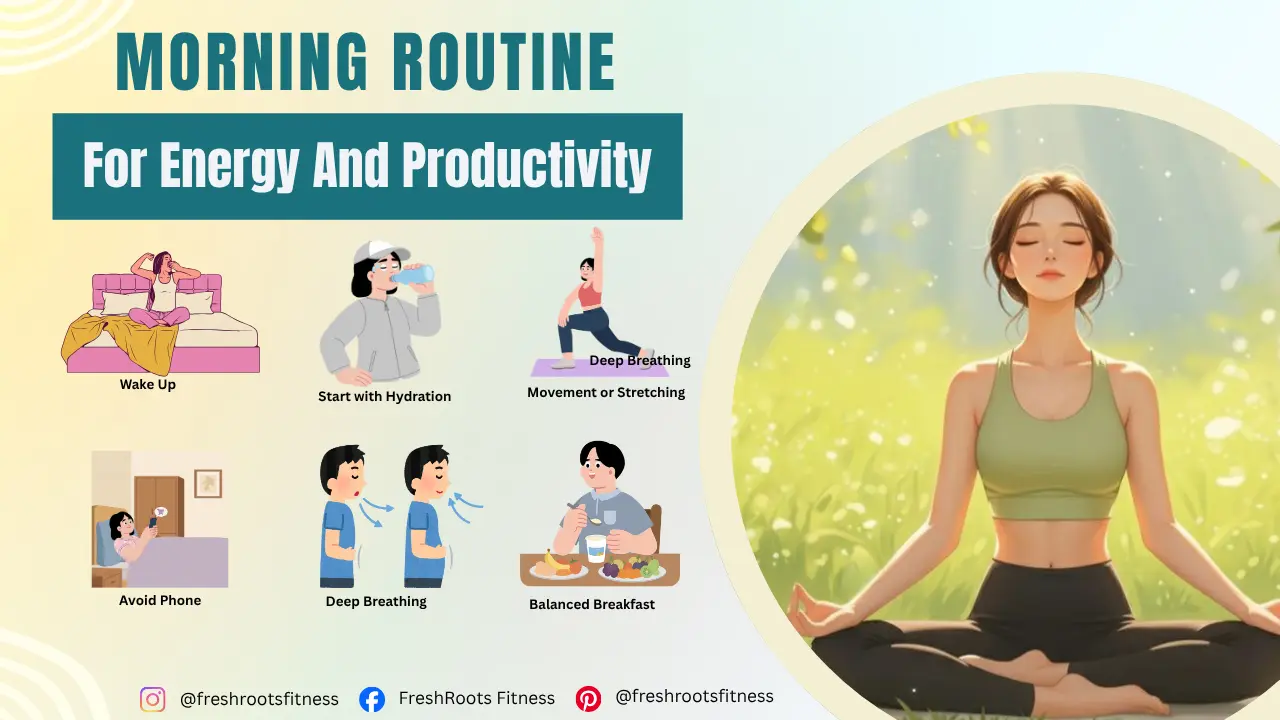
Have you ever noticed how some days feel productive and smooth, while others feel slow and exhausting from the start? In most cases, the difference begins with how your morning starts. A well-planned healthy morning routine for energy can completely change how you feel throughout the day. Instead of waking up tired and rushing into work, a structured routine helps your mind wake up gradually and your body feel active.
Many people report that when they follow a simple morning routine, they feel more focused, less stressed and more in control of their day. The goal is not to make mornings complicated, it’s to make them intentional.
Why Your Morning Routine Matters More Than You Think
Your brain is at its freshest in the morning. The way you use this time sets the tone for your productivity, mood and energy levels.
When you start your day with stress, phone scrolling or rushing, your body stays in a reactive mode. On the other hand, a calm and structured start helps your nervous system stay balanced. Experts believe that consistent morning habits can improve mental clarity, reduce stress and support better time management.
That’s why building a healthy morning routine for energy is one of the simplest yet most powerful changes you can make.
What Makes a Morning Routine Truly Effective?
An effective routine is not about doing many things, it’s about doing the right things consistently.
Your routine should:
- Wake up your body gently
- Activate your mind
- Prepare yourself for the day ahead
Instead of copying someone else’s routine, focus on habits that suit your lifestyle. Even small actions, when done daily, can create a big impact over time.
Step-by-Step Healthy Morning Routine for Energy
Now let’s break it down into simple steps that you can actually follow.
1. Wake Up at a Consistent Time
Your body loves consistency.
Waking up at the same time daily helps regulate your internal clock. Over time, this improves sleep quality and makes mornings feel less stressful. Many people notice that fixed wake-up times reduce grogginess and improve overall energy.
2. Start with Hydration
After several hours of sleep, your body is naturally dehydrated.
Drinking a glass of water in the morning helps:
- Kickstart metabolism
- Improve digestion
- Increase alertness
Adding a few drops of lemon can make it more refreshing, but even plain water works well.
3. Avoid Phone for the First Few Minutes
This is a small habit with a big impact.
Checking your phone immediately can overwhelm your mind with information, messages and stress. It puts your brain into reactive mode before you even start your day. Many users report feeling calmer and more focused when they delay phone usage.
4. Do Light Movement or Stretching
Your body needs movement after long hours of rest.
Simple stretching, yoga or a short walk can:
- Improve blood circulation
- Reduce stiffness
- Boost energy levels
Experts believe that even 5-10 minutes of movement can activate your body and improve your mood.
5. Practice Deep Breathing or Mindfulness
Taking a few minutes to focus on your breath can calm your mind. Slow breathing helps reduce stress and improve mental clarity. It also prepares you to handle the day more calmly. Many people feel more centered and focused after this practice.
6. Eat a Balanced Breakfast
Your first meal fuels your body for the day.
A balanced breakfast with protein, healthy fats and complex carbs helps maintain steady energy levels. Skipping breakfast or eating sugary foods can lead to energy crashes later.
7. Plan Your Day
Taking a few minutes to plan your day can improve productivity. Instead of feeling overwhelmed, you know exactly what needs to be done. This creates a sense of control and reduces stress. Experts believe that planning improves focus and time management.
These Articles You Should Read
AI in Fitness and Health
Self-Care Routine for Mental and Physical Wellness
How Smart Devices Are Transforming Health
How Long Should Your Morning Routine Be?
You don’t need hours to create a good routine.
Even 30-45 minutes is enough to include all essential habits. If you’re busy, you can start with just 15 minutes and build gradually. Consistency matters more than duration. A short routine followed daily is more effective than a long one done occasionally.
Common Mistakes to Avoid
Many people start a routine but fail to maintain it. One common mistake is trying to do too many things at once. This makes the routine overwhelming and difficult to follow.
Another mistake is expecting instant results. A healthy morning routine for energy works gradually, not overnight. Keeping your routine simple and realistic helps you stay consistent.
When Will You Start Seeing Results?
Some benefits, like feeling fresh and calm, can be noticed within a few days. However, bigger changes, such as improved productivity and stable energy levels, may take a few weeks.
Studies indicate that forming a habit usually takes time, but once it becomes part of your lifestyle, the results are long-lasting.
Conclusion
Your mornings don’t have to feel rushed or stressful.
A simple, healthy morning routine for energy can help you feel more active, focused and in control of your day. It’s not about perfection, it’s about creating a rhythm that supports your mind and body.
Start small, stay consistent and adjust the routine based on what works for you. Over time, these small steps can transform not just your mornings, but your entire day.
By the Success- Guide to Healthy Routines and Productivity
FAQs
-
What is the best healthy morning routine for energy?
A combination of hydration, light exercise, mindfulness and a balanced breakfast works best.
-
How early should I wake up for a good routine?
It depends on your schedule, but consistency is more important than waking up very early.
-
Can a morning routine improve productivity?
Yes, many people report better focus and time management with a structured routine.
-
Is it necessary to exercise in the morning?
Even light movement or stretching can help boost energy levels.
-
How long does it take to build a morning routine habit?
It may take a few weeks of consistent effort to make it a natural habit.

- How to Reduce Cholesterol Naturally With Simple Food Habits - July 4, 2026
- Early Signs of High Blood Sugar Most People Miss Daily - June 25, 2026
- How to Boost Immunity Naturally: Simple Daily Habits - June 23, 2026