Walk into any health store or scroll through Instagram for five minutes and you’ll be bombarded with detox teas, juice cleanses, activated charcoal powders and three-day “reset” kits that promise to flush toxins from your body, usually for a price that makes your wallet wince.
Here’s the truth your body already has a sophisticated, built-in detoxification system. Your liver, kidneys, lungs, skin and lymphatic system work around the clock filtering, neutralizing and eliminating waste products, environmental chemicals, metabolic byproducts and genuine toxins. They don’t need a $90 cleanse to function they need the right daily conditions to do their job well.
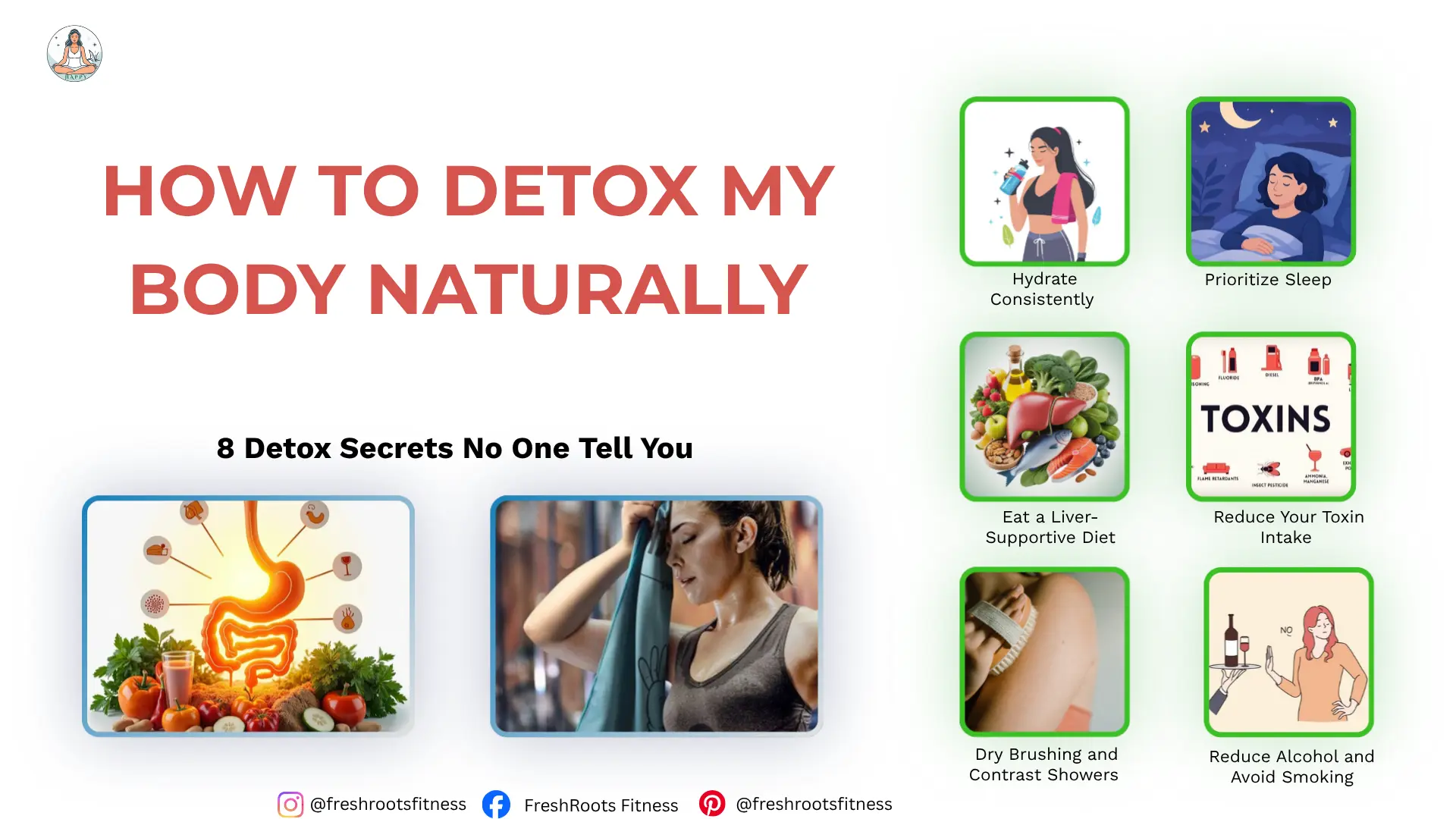
If you’ve been wondering how to detox my body naturally, the answer isn’t a product. It’s a collection of consistent daily habits that support the organs already doing the detox work for you. And the beautiful part is that most of these habits cost very little, require no special equipment and start delivering results within days.
This guide cuts through the marketing noise and gives you what actually works the science, the habits, the foods and the lifestyle changes that genuinely support your body’s natural detoxification pathways.
What “Detox” Actually Means And What It Doesn’t
Before diving into solutions, it’s worth establishing what detoxification actually is because the wellness industry has blurred this considerably.
Your body produces toxic byproducts constantly as a natural consequence of metabolism, ammonia from protein metabolism, carbon dioxide from cellular respiration, bilirubin from red blood cell breakdown and dozens of other compounds that need to be neutralized and eliminated. On top of this, your body absorbs environmental toxins from food, water, air and personal care products, pesticides, heavy metals, BPA, alcohol and more.
The liver is the primary detoxification organ. It uses a two-phase enzymatic process, Phase I and Phase II detoxification, to convert fat-soluble toxins into water-soluble compounds that can be excreted through bile (into stool) or filtered by the kidneys (into urine). The kidneys then filter blood and excrete water-soluble waste through urine. The lungs expel carbon dioxide and volatile compounds. The skin eliminates some waste through sweat. The lymphatic system drains cellular debris and transports immune cells.
This system is real, it is remarkable and it is always working. What disrupts it is a combination of poor diet, dehydration, sedentary behavior, excess alcohol, sleep deprivation and high toxin load. What supports it is removing those burdens and providing the nutritional raw materials the detox organs need.
Research suggests that no commercial cleanse or detox product has ever been scientifically proven to do what your liver, kidneys and lymphatic system already do naturally. The most evidence-based way to support detoxification is to support the organs doing it.
What Burdens Your Body’s Natural Detox System
Understanding what works against detoxification helps you make smarter daily choices:
Excess Alcohol
Alcohol is processed almost entirely by the liver. Chronic or heavy drinking overwhelms the liver’s capacity, produces toxic byproducts like acetaldehyde, causes inflammation and progressively impairs the liver’s ability to perform its broader detoxification functions. Reducing alcohol is one of the most impactful single steps for supporting natural detoxification.
Ultra-Processed Food and Excess Sugar
Diets heavy in refined sugar, artificial additives, preservatives, emulsifiers and industrial seed oils burden the liver, promote inflammation, disrupt the gut microbiome and reduce the availability of nutrients that fuel detox enzyme pathways.
Dehydration
The kidneys filter blood and excrete waste through urine. This process requires adequate water. Chronic mild dehydration impairs kidney filtration efficiency, allows waste products to concentrate in the blood and reduces the liver’s ability to excrete water-soluble compounds into bile.
Poor Sleep
Groundbreaking research from the last decade has shown that the brain has its own waste clearance system, the glymphatic system, that is primarily active during deep sleep. This system flushes metabolic byproducts from the brain, including beta-amyloid (associated with Alzheimer’s disease). Chronic sleep deprivation impairs this process and also disrupts liver metabolism and gut microbiome composition.
Sedentary Behavior
Physical activity stimulates lymphatic flow, improves circulation to detox organs, promotes sweating and accelerates gut transit time, reducing the time toxins spend in contact with the intestinal lining. A sedentary lifestyle slows all of these processes.
Chronic Stress
High cortisol from chronic stress impairs liver enzyme function, promotes intestinal permeability (allowing partially digested food particles and bacterial toxins to enter the bloodstream) and reduces the efficiency of immune-mediated detoxification processes.
High Environmental Toxin Exposure
Pesticide residues on food, BPA and phthalates from plastics, heavy metals in water, VOCs from cleaning products and personal care items all of these add to the cumulative toxin load the liver must process daily.
How to Detox My Body Naturally
These are the evidence-supported daily practices that genuinely enhance your body’s built-in detoxification capacity. No expensive products required.
1. Hydrate Consistently
Water is the medium through which your kidneys flush waste, your liver excretes water-soluble compounds, your gut moves material along and your lymphatic system transports cellular debris. Every detoxification pathway in the body depends on adequate hydration.
Aim for eight to ten glasses of water daily, more if you’re exercising, in a warm climate, or eating a high-fiber diet. The quality of water matters too. Filtered water reduces the intake of chlorine, heavy metals and microplastics that add to your body’s toxin load.
Practical morning ritual: Start each day with a large glass of warm water with fresh lemon juice. Warm water gently stimulates gut motility and bile flow. Lemon provides vitamin C, which supports Phase I liver detox enzyme activity and citric acid, which may help prevent kidney stone formation by making urine less hospitable to mineral crystallization.
Many users report that this single morning habit of warming lemon water on waking improves digestion, reduces morning sluggishness and supports more regular bowel movements within one to two weeks.
2. Eat a Liver-Supportive Diet
The liver is the headquarters of detoxification and what you eat directly determines how well it functions. Several specific foods have research support for enhancing liver detox capacity:
Cruciferous Vegetables – The Detox Powerhouse Broccoli, Brussels sprouts, cauliflower, kale, arugula and cabbage contain glucosinolates and sulforaphane compounds that upregulate Phase II liver detoxification enzymes. These enzymes convert activated toxins from Phase I into water-soluble compounds ready for excretion. Research suggests that regular cruciferous vegetable consumption meaningfully enhances the liver’s ability to neutralize carcinogens, pesticides and other environmental chemicals.
Garlic and onions are rich in sulfur-containing compounds, particularly allicin and glutathione precursors. Garlic and onions activate liver detox enzymes and support the production of glutathione, the body’s master antioxidant and a critical molecule in Phase II detoxification. Studies indicate that garlic consumption supports liver enzyme activity and reduces oxidative stress in the liver.
Beets contain betalains, antioxidant pigments and betaine, a compound that supports liver function and fat metabolism. Research suggests beet consumption reduces oxidative stress in the liver and supports bile flow, which is the liver’s primary route for excreting fat-soluble toxins.
Leafy Greens Spinach, chard, dandelion greens and watercress are rich in chlorophyll, which some research suggests helps neutralize certain environmental toxins and heavy metals in the digestive tract before absorption. They also provide folate, essential for methylation a critical biochemical process in Phase II liver detoxification.
Berries Blueberries, raspberries and other berries are rich in polyphenols and anthocyanins that reduce oxidative stress and inflammation in the liver. Research suggests regular berry consumption supports liver enzyme health and reduces markers of liver oxidative damage.
Green Tea Rich in catechins, particularly EGCG, green tea is one of the most studied foods for liver protection. Research suggests regular consumption supports Phase II detox enzyme activity, reduces liver fat, and lowers liver enzyme markers of damage.
Turmeric Curcumin, the active compound in turmeric, has significant anti-inflammatory and antioxidant properties with well-documented liver-protective effects. Research suggests curcumin supports Phase II detox pathways and reduces liver inflammation. Pairing turmeric with black pepper (which contains piperine) dramatically increases curcumin absorption.
3. Support Your Gut
The gut is the first line of interaction between the external environment and your internal detoxification organs. A healthy gut lining acts as a selective barrier, absorbing nutrients while blocking harmful compounds. A compromised gut lining (intestinal permeability or “leaky gut”) allows bacterial toxins, partially digested food particles and environmental chemicals to enter the bloodstream, dramatically increasing the burden on the liver.
Supporting gut health is therefore foundational to the broader natural detox picture:
- Eat fermented foods daily – Yogurt, kefir, kimchi, sauerkraut and miso provide beneficial bacteria that maintain gut lining integrity, produce short-chain fatty acids that feed intestinal cells, and compete against harmful bacteria that produce toxins.
- Eat prebiotic foods – Garlic, onions, oats, bananas and flaxseeds feed beneficial gut bacteria that support detoxification.
- Maintain regular bowel movements – The bowel is the primary exit route for bile-excreted toxins from the liver. Constipation allows these compounds to be reabsorbed. Adequate fiber, hydration and physical activity keep things moving efficiently.
4. Sweat Regularly Through Exercise
Exercise supports natural detoxification through multiple pathways simultaneously:
Sweat – The skin is a supplementary detox organ. Sweating during exercise eliminates some heavy metals, BPA and other compounds through the skin. While the liver and kidneys do the heavy lifting, sweating provides an additional excretion route.
Lymphatic circulation – The lymphatic system, unlike the cardiovascular system, has no pump. It relies on muscle movement and breathing to circulate lymph fluid. Exercise is one of the most effective ways to stimulate lymphatic flow, which removes cellular debris and supports immune function.
Improved liver and kidney circulation – Cardiovascular exercise increases blood flow to detox organs, delivering more blood for filtration and supplying more oxygen and nutrients to support enzyme activity.
Gut motility – Physical activity accelerates intestinal transit time, reducing the window during which toxins are in contact with the gut lining.
Research suggests that 150 minutes of moderate aerobic exercise per week, such as brisk walking, cycling, swimming or jogging, meaningfully supports all of these detoxification-related mechanisms. You don’t need intense workouts. Consistency matters far more than intensity.
5. Prioritize Sleep
Sleep isn’t passive recovery time. During deep sleep, the glymphatic system, a network of fluid channels surrounding brain cells, actively flushes metabolic waste, including beta-amyloid and tau proteins, which accumulate with wakefulness and are associated with neurodegeneration when chronically elevated.
Beyond the brain, deep sleep is when the liver is most metabolically active in processing the day’s accumulated toxins. Sleep also supports gut lining repair, immune function and the hormonal balance that regulates cortisol, high cortisol being directly harmful to liver detox capacity.
Seven to nine hours of quality sleep per night is not a luxury in the context of natural detoxification, it’s a physiological requirement. Consistent sleep timing (going to bed and waking at similar times daily) supports the circadian rhythm of both the liver and the gut, optimizing detox efficiency.
6. Reduce Your Toxin Intake
Supporting your body’s detoxification isn’t only about enhancing what your organs do, it’s equally about reducing what they have to deal with:
- Choose organic for the highest-pesticide produce – The Environmental Working Group publishes an annual “Dirty Dozen” list of produce with consistently high pesticide residues. Prioritizing organic for these items reduces pesticide intake meaningfully without requiring an all-organic diet.
- Filter your drinking water – Even municipal tap water can contain trace pharmaceuticals, chlorine byproducts, heavy metals and microplastics. A quality water filter reduces this intake significantly.
- Reduce plastic contact with food – Avoid heating food in plastic containers, choose glass or stainless steel for food and drink storage and avoid cling wrap contact with fatty foods. (fat accelerates chemical leaching from plastic)
- Switch to cleaner personal care products – Skin absorbs a percentage of what’s applied to it. Products containing parabens, phthalates, synthetic fragrances and triclosan add to the body’s daily toxin load. Simpler, shorter-ingredient-list products reduce this meaningfully.
- Improve indoor air quality – Open windows regularly, use low-VOC cleaning products, add air-purifying plants and consider a HEPA air purifier in frequently used rooms.
7. Dry Brushing and Contrast Showers
While not as extensively researched as dietary and lifestyle interventions, dry brushing and contrast showers are widely used practices with a physiological rationale:
Dry brushing – Using a natural bristle brush on dry skin before showering, brushing in long strokes toward the heart. The mechanical stimulation is thought to support lymphatic flow near the skin’s surface and promote the shedding of dead skin cells that contain excreted compounds. Many users report improved skin texture and circulation within a few weeks.
Contrast showers – Alternating between warm and cold water during showering. The alternation causes blood vessels to dilate and constrict repeatedly, creating a pumping action that improves circulation. Cold water also stimulates lymphatic flow. Some users notice improved energy, reduced inflammation and better skin tone with regular practice.
Neither practice replaces the foundational habits above, but both are accessible, low-cost additions that many people find meaningful for how they feel.
8. Reduce Alcohol and Avoid Smoking
Both of these directly overwhelm detox organs in ways that no other habit fully compensates for:
Alcohol – Every gram of alcohol is metabolized by the liver, producing acetaldehyde, a toxic intermediate more harmful than alcohol itself. The liver prioritizes alcohol metabolism above all other functions while it’s present, meaning other detox processes pause. Reducing intake or taking alcohol-free periods of several weeks gives the liver genuine recovery time and measurably restores detox capacity.
Smoking – Introduces hundreds of toxic compounds directly into the lungs and bloodstream with every cigarette, including heavy metals, carcinogens and free radicals that overwhelm antioxidant defenses and inflame detox pathways. There is no natural habit that counteracts the toxin burden of regular smoking. Quitting is the only meaningful intervention.
9. Practice Intermittent Fasting
Intermittent fasting, eating within a restricted time window such as 8 hours (16:8 fasting), gives the digestive system, liver and gut a daily rest period during which they can focus on maintenance, repair and detoxification rather than processing new food.
Research suggests that intermittent fasting activates autophagy a cellular self-cleaning process in which cells break down and recycle damaged proteins and organelles. This is one of the body’s most sophisticated internal detoxification mechanisms and is significantly upregulated during fasting periods.
Additionally, fasting periods reduce insulin and glucose levels, which reduces the production of advanced glycation end-products (AGEs), harmful compounds produced when blood sugar is chronically elevated.
Many people start with a 12-hour overnight fast, finishing dinner by 8 PM and not eating until 8 AM as a gentle, accessible entry point. From there, some extend to 14 or 16 hours as it becomes comfortable. This approach requires no special food purchases and supports detox mechanisms that no supplement can replicate.
The Best Detox Foods to Eat Every Day
A natural detox-supportive diet doesn’t require exotic ingredients or expensive superfoods. These are accessible, affordable and genuinely effective:
- Warm lemon water – A morning ritual that stimulates bile flow and provides vitamin C.
- Beets – Support bile production and contain liver-protective betalains.
- Cruciferous vegetables – Upregulate Phase II liver detox enzymes.
- Garlic and onions – Sulfur compounds support glutathione production.
- Leafy greens – Chlorophyll, folate and magnesium for detox pathway support.
- Green tea – Catechins support liver enzyme activity and reduce oxidative stress.
- Berries – Polyphenols reduce liver oxidative damage.
- Turmeric – Curcumin is anti-inflammatory and liver-protective.
- Flaxseeds – Fiber binds to bile acids and excreted toxins in the gut, preventing reabsorption.
- Dandelion root – Traditional liver tonic with some research support for bile flow stimulation.
- Walnuts – High in arginine, glutathione and omega-3s that support liver detox function.
- Grapefruit – Contains naringenin and naringin, compounds that protect the liver and support Phase I detox enzyme activity.
What a Natural One-Week Detox Routine Looks Like
This is a realistic, no-product daily structure for supporting your body’s natural detoxification:
Morning:
- Large glass of warm water with fresh lemon juice on waking.
- Breakfast including oats, flaxseeds and berries or a smoothie with leafy greens, ginger and turmeric.
- Two to three cups of coffee or green tea.
Midday:
- Lunch centered on leafy greens, cruciferous vegetables, lean protein and olive oil.
- Consistent water intake through the morning and afternoon.
Afternoon:
- Short walk if you’ve been sitting for 10-15 minutes.
- Herbal tea, such as dandelion or ginger.
Evening:
- Dinner with plenty of vegetables, a whole grain and garlic or onion in the cooking.
- Finish eating two to three hours before bed.
- Dry brushing before a shower if practicing.
Throughout the day:
- Consistent water intake of eight to ten glasses.
- No alcohol for the week.
- Screens off 30-60 minutes before sleep.
- Seven to nine hours of sleep.
This routine is sustainable beyond a week, which is the point. The body doesn’t need a dramatic five-day cleanse it needs this as a consistent baseline.
Common Detox Myths Worth Clearing Up
Myth: Juice cleanses detox your body.
Juices provide nutrients, particularly vitamins and antioxidants, but they don’t “flush” toxins in any way that the liver and kidneys don’t already accomplish. Commercial juice cleanses also tend to be high in sugar and low in fiber, which can burden the liver rather than support it. Eating whole vegetables and fruits is more beneficial.
Myth: You need to feel terrible during a detox for it to work.
Feeling exhausted, headachy or ill during a “detox” typically reflects caloric restriction, caffeine withdrawal or electrolyte imbalance, not toxin release. A genuinely supportive detox approach makes you feel better, not worse.
Myth: Activated charcoal detoxes your body.
Activated charcoal is a legitimate medical treatment for acute poisoning in emergency settings. As a daily supplement, it binds indiscriminately to medications and nutrients and can deplete essential minerals. It does not address systemic toxin accumulation.
Myth: Detox teas cleanse your system.
Most “detox teas” contain senna a laxative herb, which causes temporary water loss and loose stools that feel like “cleansing” but are simply induced diarrhea. Prolonged use can cause dependency, electrolyte imbalance and bowel dysfunction.
Signs Your Natural Detox Is Working
When the habits above are practiced consistently, you’ll notice real signals that your body’s detoxification is functioning better:
- More consistent and easier bowel movements.
- Clearer, more even skin tone.
- Reduced bloating and digestive discomfort.
- Improved energy levels and less afternoon fatigue.
- Clearer thinking and reduced brain fog.
- Reduced frequency of headaches.
- Better quality sleep.
- Reduced puffiness, particularly in the face.
Most people notice initial changes within one to two weeks of consistent habits, particularly improved digestion and energy. Skin improvements often take four to six weeks as the skin’s renewal cycle turns over.
When to See a Doctor
Natural detox support is highly effective for general wellness and burden reduction. But certain signs suggest the body’s detox capacity is significantly compromised and warrants medical assessment:
- Persistent jaundice, yellowing of skin or eyes.
- Severe, unexplained fatigue alongside abdominal discomfort.
- Consistently elevated liver enzymes on blood tests.
- Swelling of the abdomen. (possible fluid accumulation)
- Frequent, severe headaches alongside fatigue and nausea.
- Known heavy metal exposure (occupational or environmental) requires medical testing and management.
- A history of heavy, long-term alcohol use may indicate liver damage that needs professional evaluation.
Natural habits support a healthy detox system. They are not a treatment for liver disease, kidney failure or heavy metal toxicity, all of which require medical management.
Conclusion
The most important thing to understand about how to detox my body naturally is that you’re not starting a process, you’re supporting one that’s already happening. Your liver, kidneys, lungs, skin and lymphatic system are working right now, every hour of every day, to keep your internal environment clean.
What they need from you isn’t a $90 cleanse. They need water. Real food. Movement. Sleep. Less alcohol. Less processed food. Reduced toxin intake. These aren’t glamorous interventions, but they’re the ones that actually work and they work because they directly support the organs doing the real detoxification.
According to HealthLine- Full-Body Detox?
Start with warm lemon water in the morning. Add cruciferous vegetables to a meal. Drink one more glass of water today. Walk for fifteen minutes. Sleep for seven hours. Each of these small, consistent actions compounds into a body that processes, neutralizes and eliminates waste more efficiently than any detox product ever could.
Real detox is free. It just requires showing up for it every day.
FAQs
-
Do detox teas actually work?
Most detox teas contain laxative herbs like senna, which cause temporary water loss, not genuine detoxification. They don’t enhance liver or kidney function and can cause an electrolyte imbalance with prolonged use.
-
Is intermittent fasting good for detoxing?
Yes, fasting periods activate autophagy, the body’s cellular self-cleaning process. Even a simple 12-hour overnight fast gives the liver and digestive system recovery time and enhances natural detoxification mechanisms significantly.
-
Does drinking water help detox your body?
Yes, water is essential for kidney filtration, liver bile excretion, gut transit and lymphatic circulation. All natural detox pathways depend on adequate hydration. Consistently drinking eight to ten glasses daily is foundational.
-
What foods naturally detox your body?
Cruciferous vegetables, garlic, beets, leafy greens, berries, green tea, turmeric and flaxseeds are among the most researched for supporting liver detox enzyme pathways and reducing oxidative stress in detox organs.
-
How long does a natural body detox take?
Digestive improvements often appear within one to two weeks. Clearer skin typically takes four to six weeks. Full liver and microbiome improvements develop over two to three months of consistent healthy habits.
-
How to detox my body naturally at home?
Drink plenty of water, eat liver-supportive foods like cruciferous vegetables and garlic, exercise regularly, prioritize sleep and reduce alcohol and processed food. These habits support your body’s built-in detox organs daily.

- How to Reduce Cholesterol Naturally With Simple Food Habits - July 4, 2026
- Early Signs of High Blood Sugar Most People Miss Daily - June 25, 2026
- How to Boost Immunity Naturally: Simple Daily Habits - June 23, 2026