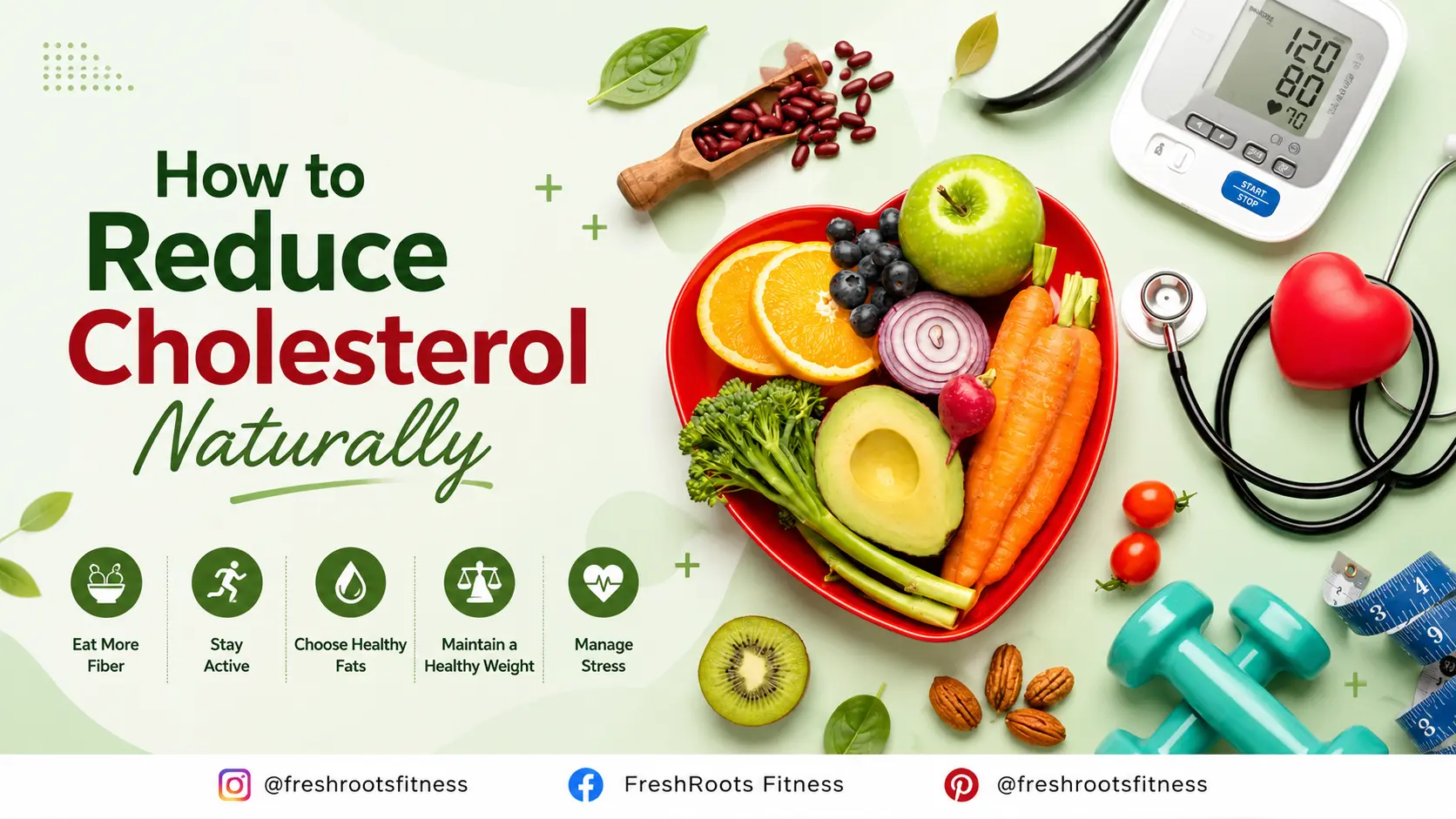
High cholesterol is one of those things that sneaks up on you. There are no obvious symptoms, no pain, no dramatic warning signs. You feel perfectly fine until a routine blood test tells a different story.
If you’ve recently found out your cholesterol is higher than it should be, the first thing to know is that this food is one of your most powerful tools. Learning how to reduce cholesterol naturally doesn’t mean overhauling your entire life overnight or surviving on bland, joyless meals. It means making a few smart, consistent changes to what’s already on your plate.
The connection between diet and cholesterol is well-established and well-researched. What you eat directly influences how much LDL (the “bad” cholesterol) your liver produces and how efficiently your body clears it from the blood. The right foods can genuinely shift those numbers sometimes more than people expect.
This guide walks you through what high cholesterol actually means, what drives it and most importantly, which food habits make the biggest difference. Simple, realistic and built for the long term.
Understanding How to Reduce Cholesterol Naturally Through Diet
Before diving into specific foods, it’s worth understanding why diet matters so much when it comes to cholesterol.
Your body produces cholesterol on its own it’s actually necessary for building cells and producing hormones. The problem arises when there’s too much LDL cholesterol circulating in the blood. Over time, LDL can deposit itself along the walls of your arteries, contributing to plaque buildup, reduced blood flow and increased risk of heart disease.
HDL cholesterol, on the other hand, does the opposite it carries excess cholesterol back to the liver for disposal. So the goal isn’t just to lower total cholesterol, but to shift the balance lower LDL, raise HDL and keep triglycerides in check.
Here’s where food comes in. Certain foods directly increase LDL. Others actively help clear it. Knowing the difference is the foundation of knowing how to reduce cholesterol naturally without medication and without extreme dietary changes.
Research suggests that dietary changes alone can reduce LDL cholesterol by 20-30% in some people. That’s a significant shift that can change your health trajectory meaningfully, especially when caught early.
What Causes Cholesterol to Rise in the First Place
Understanding the root causes helps you make changes that actually stick. High cholesterol is rarely caused by just one thing, it’s usually a combination of factors.
Too Much Saturated and Trans Fat
Saturated fat found in red meat, full-fat dairy, butter and coconut oil triggers your liver to produce more LDL cholesterol. Trans fats, which are found in some processed and fried foods, do double damage, they raise LDL and simultaneously lower HDL.
Studies indicate that even small, consistent reductions in saturated fat intake can lead to measurable improvements in cholesterol levels over time.
Low Fiber Intake
Dietary fiber, especially soluble fiber, plays a direct role in cholesterol management. When you don’t eat enough fiber, your body misses out on a natural mechanism that helps remove cholesterol from the body. Many people eating a modern diet fall well short of the recommended 25-38 grams of fiber per day.
Sedentary Lifestyle
Physical inactivity is a well-documented contributor to lower HDL and higher LDL levels. Your body needs regular movement to support efficient lipid metabolism. Experts believe that consistent aerobic activity is one of the most reliable ways to raise HDL even when the diet is imperfect.
Excess Sugar and Refined Carbohydrates
Excess sugar in the diet gets converted to triglycerides in the liver. High triglycerides are closely linked to lower HDL and elevated LDL. Many people are surprised to find that cutting sugar has a significant effect on their cholesterol panel, not just their blood sugar.
Genetics
Some people are genetically predisposed to produce more cholesterol than their body needs, regardless of diet. This condition, familial hypercholesterolemia, means lifestyle changes alone may not be sufficient and medication may be needed alongside dietary habits. That said, even in these cases, food choices still play a meaningful supporting role.
Signs That Your Cholesterol May Be Off
High cholesterol itself is famously silent. Most people have no symptoms at all, which is why it’s often called a “silent” risk factor. However, there are indirect signs and risk indicators worth being aware of.
Xanthomas, fatty deposits under the skin, often around the eyes, elbows or knees, can sometimes appear in people with significantly elevated cholesterol, though this is more common in severe or genetic cases.
Family history is one of the strongest predictors. If a parent or sibling has high cholesterol or has had a heart attack at a young age, your risk is higher.
Feeling sluggish or heavy after meals that are high in fat isn’t a direct cholesterol symptom, but it’s a sign worth noting, as it often reflects how your body is processing the food.
The most reliable way to know where your cholesterol stands is through a blood test called a lipid panel. Adults should typically have this checked every four to six years or more often if there are risk factors.
These articles you must read
Early Signs of High Blood Sugar
How to Boost Immunity Naturally
What Is a Normal Body Temperature
The Best Foods That Help Reduce Cholesterol Naturally
This is the core of it. These are the foods that consistently show up in the research as effective tools for managing cholesterol and none of them require eating things you hate.
Oats and oat-based foods
Oats contain a type of soluble fiber called beta-glucan, which forms a thick gel in your digestive system and binds to cholesterol before it can be absorbed into the blood. Starting your day with oatmeal is one of the most accessible and effective ways to begin working on cholesterol. Even small daily servings make a measurable difference over time.
Legumes
Legumes are rich in soluble fiber and plant protein, both of which support lower LDL levels. Replacing even one or two meat-based meals per week with a bean or lentil dish is a practical and sustainable swap that adds up quickly.
Nuts
A small daily handful of nuts has been shown to reduce LDL cholesterol meaningfully. Walnuts are particularly notable because they’re rich in omega-3 fatty acids, which also support heart health. The key is portion size, nuts are calorie-dense, so around 30 grams per day is the sweet spot.
Fatty fish
These fish are high in omega-3 fatty acids, which lower triglycerides and raise HDL cholesterol. Eating fatty fish two to three times per week is one of the more impactful dietary swaps you can make for your lipid panel.
Olive oil
Replacing butter or refined vegetable oils with extra-virgin olive oil is a simple swap with real benefits. Olive oil is rich in monounsaturated fats that help lower LDL while preserving HDL. It’s also anti-inflammatory, which adds a layer of cardiovascular protection.
Avocados
Avocados are one of the few fruits that provide substantial amounts of monounsaturated fat and soluble fiber in one package. Many people report improvements in their HDL levels after adding avocado regularly to their diet. Half an avocado a day is both practical and effective.
Fruits rich in pectin
Pectin is a type of soluble fiber found naturally in these fruits. It works similarly to beta-glucan, binding to cholesterol in the gut and helping remove it before it enters circulation. Eating the whole fruit rather than juice ensures you get the fiber benefit.
Dark leafy greens
These vegetables contain compounds that bind to bile acids in your digestive system. Since bile acids are made from cholesterol, this prompts your liver to pull more cholesterol from the blood to make new bile, effectively lowering LDL.
Garlic
Studies indicate that regular garlic consumption can modestly but consistently reduce LDL cholesterol. Adding fresh garlic to cooking is a low-effort habit with meaningful cumulative benefits.
Foods to Reduce or Avoid
Knowing what to eat more of is only half the equation. These are the foods most worth cutting back on if you’re working on how to reduce cholesterol naturally.
- Red and processed meats are high in saturated fat even small reductions help.
- Full-fat dairy switching to lower-fat options or plant-based alternatives reduces saturated fat intake significantly.
- Fried and fast food are often high in trans fats and refined carbohydrates.
- Packaged baked goods, cookies, pastries and crackers often contain partially hydrogenated oils.
- Sugary beverages, such as sodas, juices, and energy drinks, raise triglycerides.
- Refined white carbohydrates, such as white bread, white rice and pasta, have a similar triglyceride-raising effect as sugar.
None of these needs to be eliminated. Significant improvements come from reducing frequency and portion size, not from perfect restriction.
Daily Lifestyle Habits That Complement Your Diet
Diet is the foundation, but a few daily habits amplify the results significantly.
- Exercise regularly: 30 minutes of moderate aerobic activity most days (walking, cycling, swimming) raises HDL and improves overall lipid metabolism.
- Quit or reduce smoking: Smoking lowers HDL cholesterol quitting shows measurable improvements in HDL within weeks.
- Limit alcohol: Moderate consumption may raise HDL slightly, but excess alcohol raises triglycerides significantly.
- Manage stress: Chronic stress contributes to inflammation and unhealthy eating patterns that indirectly affect cholesterol.
- Maintain a healthy weight: Losing even 5-10% of body weight can produce meaningful improvements in your lipid panel.
- Cook at home more often: Restaurant meals tend to be higher in saturated fat and sodium home cooking gives you control.
These habits work together. No single one is a silver bullet, but combined with smart food choices, they create a strong foundation for long-term improvement.
When to See a Doctor
Food and lifestyle changes are powerful, but there are situations where professional medical guidance is essential.
See a doctor if:
- Your LDL is above 160 mg/dL, especially combined with other risk factors like high blood pressure or family history.
- You’ve made dietary changes for 3-6 months with no measurable improvement in your lipid panel.
- You have a personal or family history of heart disease or stroke.
- Your triglycerides are significantly elevated (above 200 mg/dL).
- You’ve been told you have familial hypercholesterolemia.
Medication, particularly statins, is sometimes the right call, especially your most powerful toolsed with dietary changes. This isn’t a failure of lifestyle efforts. For some people, genetics make medication necessary regardless of how well they eat.
What to Realistically Expect From Dietary Changes
One of the most common questions people ask is how long will this take?
The honest answer is that meaningful improvements in LDL cholesterol from dietary changes typically show up within 4-8 weeks. Some people see faster shifts, particularly if they make significant cuts to saturated fat and add substantial amounts of soluble fiber at the same time.
For triglycerides, changes can appear even faster, sometimes within 2-4 weeks, especially when sugary drinks and refined carbs are reduced quickly.
Raising HDL through diet alone tends to be slower. Exercise tends to have a stronger and faster effect on HDL than food does. This is why a combination approach, diet plus regular physical activity, consistently produces better results than either alone.
The key is consistency over time, not perfection. Small daily changes that you can sustain for months and years will always outperform dramatic short-term efforts that you can’t maintain.
According to MayoClinic- Top 5 lifestyle changes to improve your cholesterol
Conclusion
High cholesterol doesn’t have to become a long-term problem and figuring out how to reduce cholesterol naturally doesn’t have to feel overwhelming.
It starts with what’s on your plate. More oats, more legumes, more fatty fish, more vegetables, more healthy fats and less saturated fat, less sugar, less processed food. These aren’t radical changes. They’re consistent, practical shifts that your body responds to over time.
Pair those food choices with regular movement, better sleep and stress management and the results become even more meaningful.
You don’t have to do everything at once. Pick one or two things from this guide and start there. Build the habit. Then add another. That’s how real, lasting change happens, not in dramatic leaps, but in steady, daily decisions.
Your next blood test can tell a different story. The work starts now.
FAQs
-
What is the single best food to lower cholesterol naturally?
Oats are consistently ranked among the most effective. Their soluble fiber (beta-glucan) binds to cholesterol in the gut and helps remove it before it enters the bloodstream. Daily oatmeal is a simple, well-researched starting point.
-
Can stress cause high cholesterol?
Chronic stress doesn’t directly raise cholesterol, but it drives behaviors, such as poor eating, less exercise and more alcohol, that do. Some research also links stress hormones to inflammation that indirectly affects lipid levels.
-
Does eating eggs raise cholesterol?
For most healthy people, moderate egg consumption (up to one per day) has minimal impact on LDL cholesterol. Dietary cholesterol from eggs affects people differently. Saturated fat is a stronger driver of LDL for most individuals than dietary cholesterol itself.
-
Is olive oil good for cholesterol?
Yes. Extra-virgin olive oil is rich in monounsaturated fats that help lower LDL while supporting HDL levels. Replacing butter or refined oils with olive oil in cooking is a practical, effective swap.
-
Can I reduce cholesterol naturally without medication?
Many people can, especially if their levels are mildly to moderately elevated. Dietary changes, regular exercise and healthy weight management can reduce LDL by 20-30% in some cases. However, those with genetic conditions or very high levels may still need medication alongside lifestyle changes.
-
How long does it take to reduce cholesterol naturally through diet?
Most people see noticeable improvement in LDL levels within 4-8 weeks of consistent dietary changes. Triglycerides can drop faster sometimes within 2-4 weeks, especially when sugar and refined carbs are cut back.

- How to Reduce Cholesterol Naturally With Simple Food Habits - July 4, 2026
- Early Signs of High Blood Sugar Most People Miss Daily - June 25, 2026
- How to Boost Immunity Naturally: Simple Daily Habits - June 23, 2026