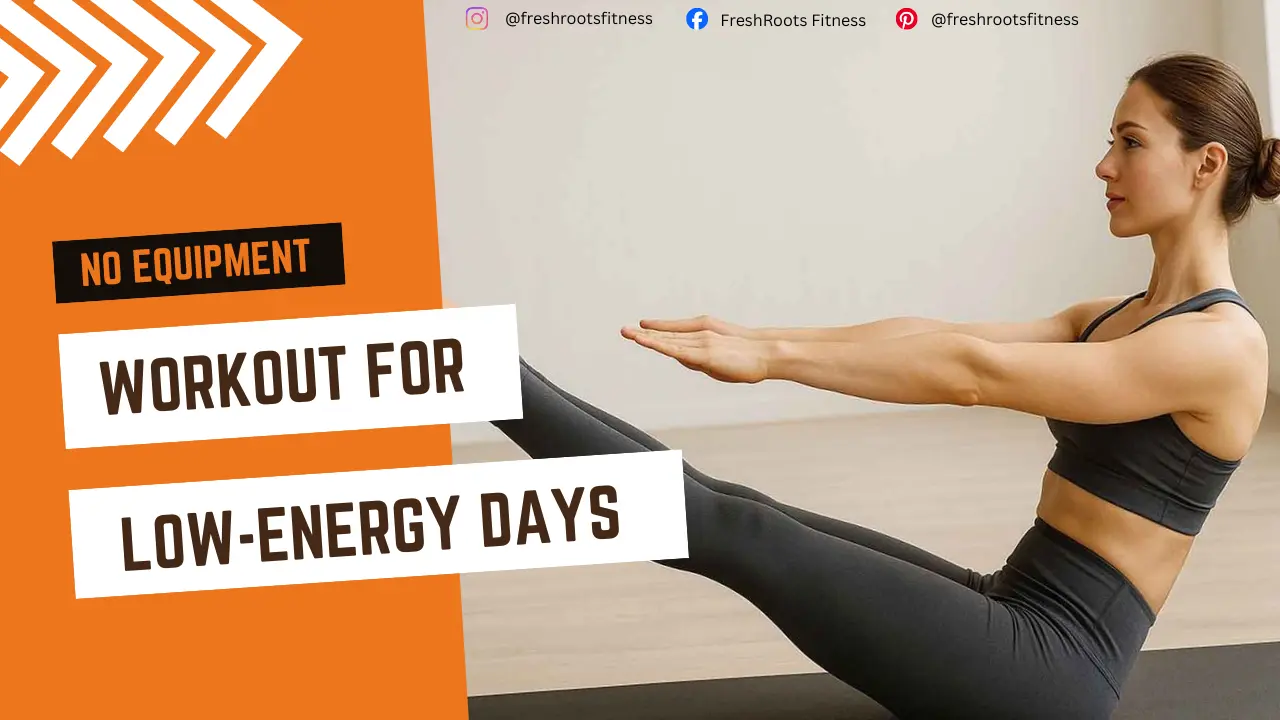
Not every day feels like a “workout day.” Some days, your body feels heavy, your mind is tired and even the thought of exercise feels overwhelming. But skipping movement completely can leave you feeling even more sluggish. That’s where a workout for low-energy days comes in.
Instead of pushing yourself too hard, you can choose a gentle routine that keeps your body moving without draining your energy. Many people report that even light movement helps them feel more refreshed and mentally clear.
The goal isn’t to push limits, it’s to stay consistent in a way that feels manageable.
Why You Still Need Movement on Low-Energy Days
It might feel natural to rest completely when you’re tired, but light movement can actually help you feel better.
Research suggests that gentle activity improves blood circulation and supports energy levels. It also helps reduce mental fatigue.
A low-energy exercise routine works because it activates your body without stressing it. Experts believe that on tired days, doing less, but still doing something, is the smartest approach.
When Should You Choose a Low-Energy Workout?
There are certain days when your body clearly signals the need for a lighter routine. These include days when you feel physically tired, mentally drained or overwhelmed with work.
It’s also useful when you’re recovering from a previous intense workout or dealing with poor sleep. Many people find that having tired day workout ideas helps them avoid skipping workouts completely.
Workout for Low-Energy Days
This routine is designed to be simple, calming and easy to follow. Focus on slow movements and steady breathing.
1. Slow Walking in Place (2 Minutes)
Start by gently walking in place.
Keep your movements slow and relaxed. Swing your arms naturally and focus on your breathing. This helps wake up your body without putting stress on it.
2. Shoulder Rolls and Neck Stretch (2 Minutes)
Gently roll your shoulders forward and backward.
Slowly stretch your neck from side to side. This helps release tension, especially if you’ve been sitting for long hours.
3. Gentle Squats (2 Minutes)
Stand comfortably and perform slow squats.
Don’t go too deep, just enough to activate your legs. This keeps your lower body engaged without causing fatigue.
4. Wall Push-Ups (2 Minutes)
Stand facing a wall and place your hands on it.
Slowly bend your elbows and push back. This is a light upper-body exercise that’s easy and effective.
5. Light Stretching (4-5 Minutes)
Finish your routine with gentle stretches.
Focus on your arms, legs and back. Move slowly and breathe deeply. This step is important for relaxing your body and completing your workout on low-energy days.
Why This Routine Works
This routine focuses on movement without intensity. A workout for low-energy days helps maintain your fitness habit without exhausting your body.
Studies indicate that light activity supports recovery and improves overall well-being. Many users notice that after starting a gentle workout, their energy levels actually improve.
You Must Read These Articles
No Jumping Workout for a Small Space
15-Minute Fat-Burning Workout for Busy People
Best Morning Workout Routine for Weight Loss at Home
15-Minute Low-Impact Workout at Home for Beginners
Benefits of Gentle Workouts
Even though the effort is low, the benefits are real.
People who follow a gentle workout at home regularly often experience improved mood and reduced stress. Light exercise can help reduce stiffness and improve flexibility. It also supports better sleep and mental clarity.
Experts believe that consistency, even with low-intensity workouts, is key to long-term fitness.
How to Stay Consistent on Tired Days
The biggest challenge on low-energy days is getting started.
One helpful approach is to lower your expectations. Instead of aiming for a full workout, commit to just a few minutes. Once you begin, you may feel motivated to continue.
Creating a simple routine, like a low-energy exercise routine, makes it easier to stay consistent without pressure.
Common Mistakes to Avoid
One mistake is skipping movement entirely. While rest is important, complete inactivity can sometimes make you feel more tired.
Another mistake is pushing yourself too hard on low-energy days. This can lead to burnout or injury. Ignoring your body’s signals is also something to avoid. If you feel pain or discomfort, it’s okay to rest.
Remember, the goal is to support your body, not exhaust it.
When Will You Feel the Difference?
The effects of a workout on low-energy days can be felt quickly. Many people notice improved mood and energy after just one session.
No Energy to Work Out ( can external link)
Over time, regular gentle workouts can help:
- Reduce fatigue
- Improve flexibility
- Increase daily energy levels
- Maintain fitness consistency
Studies suggest that even light daily activity contributes to overall health.
Conclusion
Low-energy days are normal and it’s okay to take things slow.
A simple workout for low-energy days helps you stay active without feeling overwhelmed. It keeps your body moving, your mind refreshed and your routine consistent.
You don’t need to push hard every day. Sometimes, gentle movement is exactly what your body needs.
FAQs
-
Should I workout when I feel tired?
Yes, but choose a light and gentle routine instead of intense exercise.
-
What is the best workout for low-energy days?
A simple routine with slow movements, stretching and light exercises works best.
-
Can gentle workouts improve energy?
Yes, light activity can boost circulation and improve energy levels.
-
How long should a low-energy workout be?
10-15 minutes is usually enough.
-
Is it okay to skip workouts on tired days?
Occasional rest is fine, but light movement is often more beneficial.

- How to Reduce Cholesterol Naturally With Simple Food Habits - July 4, 2026
- Early Signs of High Blood Sugar Most People Miss Daily - June 25, 2026
- How to Boost Immunity Naturally: Simple Daily Habits - June 23, 2026