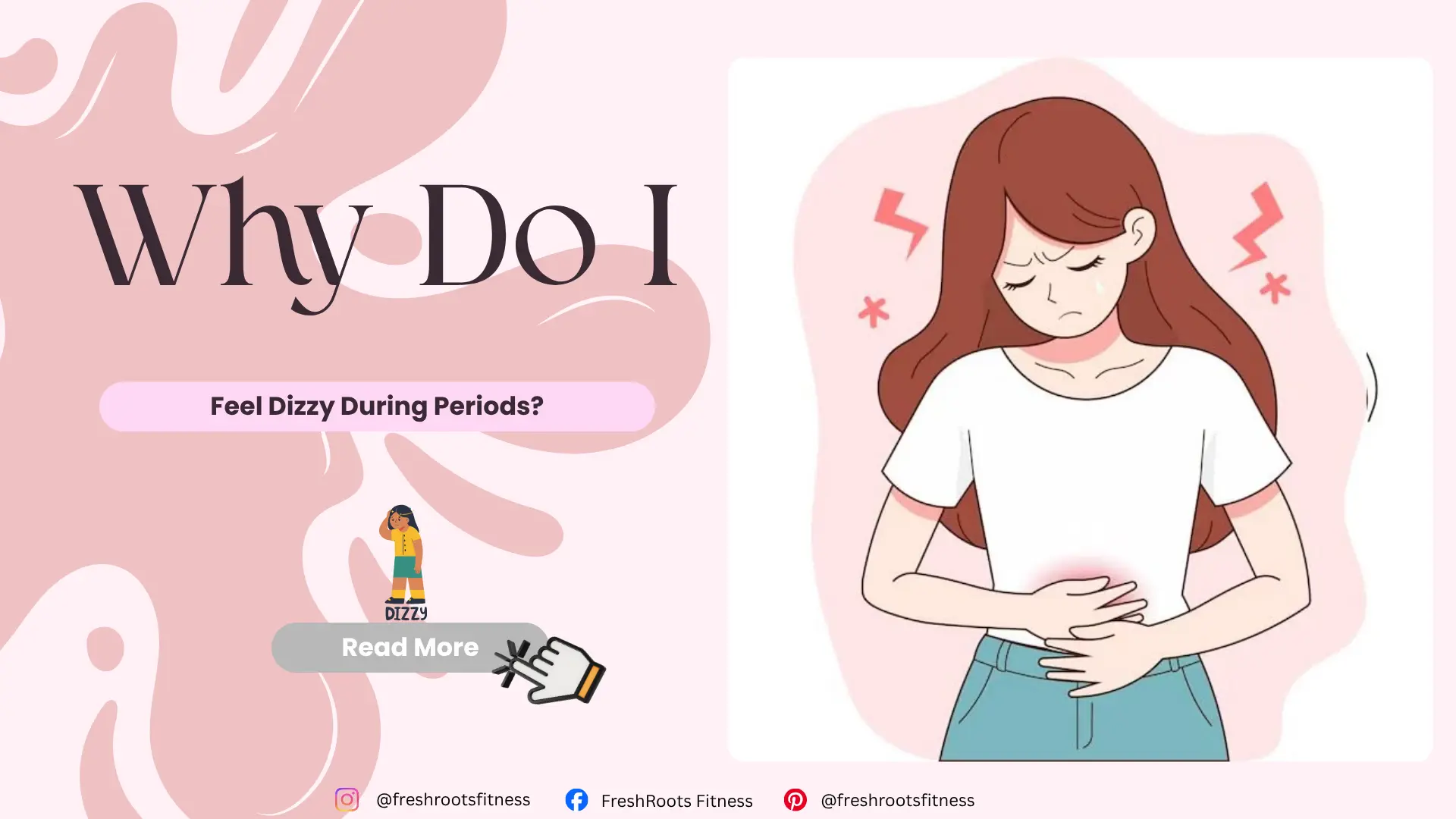
You’re going about your morning, maybe getting ready for work, stepping out of bed or just standing in the kitchen making tea and suddenly the room tilts. Your head feels heavy, your legs feel unsteady and you grip the nearest surface just to hold yourself upright. Sound familiar?
If you’ve ever found yourself asking why do I feel dizzy during periods, you’re far from alone. It’s one of those symptoms that doesn’t get talked about nearly as much as cramps or bloating, but for many women, it’s just as disruptive. Sometimes it’s a brief wave of lightheadedness. Other times, it’s the kind of dizziness that makes you sit down on the bathroom floor and wait for it to pass.
The frustrating part is that dizziness feels alarming in a way that other period symptoms don’t. A cramp, you recognise. Mood swings, you’ve learned to expect. But your head is spinning while you’re just trying to get through a Tuesday morning? That’s unsettling.
Here’s the thing in most cases, period-related dizziness has a clear, explainable cause. And once you understand what’s actually happening in your body, you have real options for managing it. This guide breaks it all down in plain language, so you know what’s going on and exactly what to do about it.
Why Do I Feel Dizzy During Periods?
The short answer your body is going through a significant hormonal and physiological shift in a very short window of time and dizziness is one of the ways it signals that the load is heavy.
When you ask why do I feel dizzy during periods, the answer almost always traces back to one or more of these core changes hormone fluctuations, blood loss, shifts in blood pressure and changes in energy and hydration. These aren’t isolated events. They happen simultaneously, they interact with each other and together they can leave your circulatory system, nervous system and energy stores all stretched at once.
Research consistently shows that hormonal changes, particularly drops in estrogen and progesterone in the days leading up to and during menstruation, can directly affect how your body regulates blood flow and maintains stable circulation. When that regulation wobbles, dizziness follows.
The good news is that this is your body doing something completely natural. That doesn’t make it comfortable, but it does mean it’s manageable.
Common Causes of Dizziness During Periods
Understanding exactly what is causing your dizziness makes it far easier to address. Here are the six most common culprits.
1. Hormonal Changes
Your menstrual cycle is driven by hormones and those hormones don’t just affect your uterus, they affect your entire body, including your cardiovascular system.
In the days before your period starts, estrogen and progesterone levels drop sharply. Estrogen plays a role in maintaining healthy blood vessel function and circulation. When it falls, blood vessels can dilate slightly, reducing blood pressure and making it harder for your body to deliver steady blood flow to your brain. The result? Lightheadedness, that floaty-unsteady feeling or sudden dizziness when you move.
What most people overlook is that this hormonal drop also affects your nervous system’s ability to regulate itself. It’s not just about blood, it’s about how your whole body is communicating during those first few days.
Many women notice dizziness peaks right at the start of their period, which maps directly onto this hormonal shift. If that pattern sounds familiar, hormonal fluctuation is likely your primary driver.
2. Blood Loss
This one is straightforward but significant. When you menstruate, your body loses blood. For women with heavier flows, that blood loss can be considerable and it directly reduces the amount of oxygen your blood is carrying to your brain and muscles.
Heavy blood loss leads to a drop in haemoglobin, which is the protein in red blood cells responsible for transporting oxygen. Less haemoglobin means less oxygen reaching your brain. And when your brain isn’t getting optimal oxygen, dizziness, weakness and fatigue follow almost immediately.
If your periods have always been heavy and dizziness has always been part of your experience, iron deficiency anaemia may be playing a significant role. It’s one of the most common and most overlooked answers to why I feel dizzy during periods and it’s also one of the most fixable.
3. Low Blood Pressure
Some women experience a measurable drop in blood pressure during their period. This is sometimes called orthostatic hypotension — a pressure drop that happens specifically when you change position, like standing up from sitting or getting out of bed.
Think about the last time you stood up quickly during your period and felt that sudden head rush. That’s low blood pressure at work. Your heart doesn’t quite compensate fast enough for the positional change and for a moment, your brain gets slightly less blood than it needs.
This is more pronounced during menstruation because of the hormonal effects on blood vessel tone and the reduced blood volume from bleeding.
4. Dehydration
Your body’s fluid needs actually increase slightly during menstruation, but many women find themselves drinking less water during their period, not more, especially when cramps and discomfort make them less active or less attentive to hunger and thirst cues.
Dehydration compounds almost every other cause of dizziness on this list. It lowers blood pressure further, reduces blood volume and makes your cardiovascular system work harder to maintain circulation. If your dizziness tends to be worse in the morning or later in the afternoon, dehydration is very often a contributing factor.
And honestly, the fix for this one is beautifully simple, but it requires being intentional about it, especially during the days when your body needs water most.
5. Low Blood Sugar
Here’s something that doesn’t come up often enough in conversations about period symptoms, many women unconsciously eat less or skip meals during their period because nausea, cramps or general discomfort suppresses their appetite. The result is blood sugar dips throughout the day and low blood sugar is a very direct cause of dizziness, shakiness and weakness.
Progesterone fluctuations also affect insulin sensitivity, which means your body’s blood sugar regulation is already less stable during this time. Add missed meals or long gaps between eating and you have a reliable recipe for lightheadedness.
If your dizziness tends to come in the late morning before lunch or mid-afternoon, this is almost certainly part of the picture.
6. Pain and Cramps
This one surprises people, but severe menstrual cramps can genuinely trigger dizziness. When your body experiences significant pain, your nervous system activates a stress response. Blood pressure shifts, heart rate can change and in some cases, the vasovagal response, your body’s “fainting reflex” kicks in, causing a sudden drop in blood pressure and heart rate that leads to lightheadedness or near-fainting.
Women who experience very intense cramping, particularly early in their period, sometimes describe a wave of dizziness or faintness that comes directly alongside or just after a severe cramp. This is the pain-dizziness connection in action.
Signs That Your Dizziness Is Period-Related
If you’re wondering why I feel dizzy during periods and whether it’s actually connected to your cycle, a few patterns are telling.
Period-related dizziness typically appears during the first one to three days of your cycle when hormonal drops, blood loss and cramping are at their most intense. It usually improves as your flow lightens. It often arrives alongside other familiar period symptoms fatigue, cramps, bloating or mood changes.
Consider someone who experiences this she feels completely fine the week before her period, then wakes up on day one feeling unsteady every time she gets up from bed. By day three or four, as the flow slows, the dizziness fades. It returns at the same point every month like clockwork. That pattern, cyclical, predictable, tied directly to the heaviest days, is a strong signal that the dizziness is menstrual in origin, not something separate.
If your dizziness doesn’t follow that pattern or if it’s present throughout the month, it’s worth discussing with a doctor to rule out other causes.
What to Do When You Feel Dizzy During Periods
Here are the practical steps that actually make a difference.
Sit or Lie Down Immediately
The moment dizziness hits, stop moving. Sit down slowly or if possible, lie down with your feet slightly elevated. This helps your blood redistribute and reach your brain more easily and it prevents the very real risk of falling if the dizziness intensifies.
Don’t push through it, hoping it’ll pass faster. Give your body a moment.
Stay Hydrated
Aim to drink water consistently throughout the day, not just when you feel thirsty. Many women find that setting a reminder on their phone to drink a glass of water every couple of hours during their period makes a genuinely noticeable difference in how they feel. Electrolyte drinks or coconut water can also help, especially if cramps or nausea have made it hard to keep up with fluids.
Eat Balanced, Regular Meals
Don’t skip meals during your period, even if your appetite is reduced. Keep something light and nourishing nearby, a handful of nuts, fruit, yoghurt or whole-grain crackers, so you can eat something even when a full meal doesn’t feel appealing. Eating every 3-4 hours helps keep blood sugar stable, which directly reduces dizziness risk.
Include foods rich in iron, protein and complex carbohydrates. Think lentils, leafy greens, eggs, beans and whole grains. Your body needs the building blocks.
Increase Iron Intake
If your periods are consistently heavy and dizziness is a recurring pattern, low iron should be taken seriously. Foods like spinach, chickpeas, tofu, lean red meat and seeds are all good dietary sources. Pairing iron-rich foods with vitamin C (like a squeeze of lemon on spinach) increases how much iron your body actually absorbs.
If dietary changes aren’t enough, a blood test can confirm whether supplementation is needed. This is worth discussing with your doctor. Iron deficiency is extremely common and very treatable.
Move Slowly, Especially When Getting Up
Avoid jumping out of bed or standing up quickly. When you wake up, sit at the edge of the bed for a moment before standing. Take a breath. Let your body adjust before you’re upright. This single habit can dramatically reduce the frequency of that dizzy head-rush during your period.
Rest When Needed
Your body is doing significant work during menstruation and rest is not laziness, it’s support. Allow yourself to slow down, especially on the heaviest days. Even 15-20 minutes of lying down with your feet elevated can reset your blood pressure and reduce dizziness.
How to Prevent Dizziness During Periods
Prevention is easier than recovery and a few consistent habits make a real difference across cycles.
Start hydrating well in the days before your period begins, don’t wait until the dizziness hits to start drinking water. Keep iron-rich foods as regulars in your weekly diet, not just as a response to symptoms. Light movement, like walking or gentle yoga, can actually improve circulation during your period and reduce symptom severity.
The surprising part is how much stress management plays into this. Chronic stress elevates cortisol, which disrupts hormonal balance and can worsen period-related symptoms, including dizziness. Even simple practices, such as 10 minutes of quiet breathing before bed, reducing screen time on difficult days or protecting sleep, can shift how your body handles menstruation over time.
One insight that rarely appears in standard period health advice magnesium deficiency has been linked to both menstrual cramping and dizziness. Many women are mildly deficient in magnesium without knowing it, and the deficiency can worsen during the luteal phase. Foods like dark chocolate, pumpkin seeds, almonds and leafy greens are rich in magnesium and worth including regularly.
When Should You Be Concerned?
Most period-related dizziness is manageable and resolves as the cycle progresses. But there are situations where why do I feel dizzy during periods needs a medical answer rather than a home remedy.
Seek professional evaluation if you experience:
- Very heavy bleeding. (soaking through a pad or tampon every hour or more)
- Severe dizziness, prolonged or doesn’t improve after your period.
- Fainting or near-fainting episodes.
- Extreme weakness or difficulty standing.
- Dizziness that persists between periods.
These symptoms can sometimes point to conditions like iron deficiency anaemia, thyroid issues or hormonal imbalances that deserve proper assessment and treatment.
How Long Does Period-Related Dizziness Last?
For most women, dizziness is most pronounced during the first one to three days of the period, the days of heaviest flow and most intense hormonal shift. As the flow lightens and hormone levels begin to stabilise, dizziness typically fades.
Consistent self-care, hydration, regular eating, adequate rest and slow movement tend to shorten both the intensity and duration of symptoms over time. Women who build these habits around their cycle often report that symptoms improve meaningfully within a few months.
By HealthLine- 10 Causes of Dizziness.
Conclusion
If you’ve been asking yourself why do I feel dizzy during periods, you now have real answers, not vague reassurances, but actual explanations for what’s happening in your body and why.
Your hormones shift. Your body loses blood. Your blood pressure can dip. Your blood sugar fluctuates. And all of this happens in the same few days, while you’re still expected to show up and function. Of course, your body sometimes struggles with the load.
The steps that help aren’t complicated drink water, eat consistently, move slowly, rest when you need to. But they work best when you’re intentional about them, especially in the days leading up to and during your heaviest flow.
If something feels more intense than what this article describes or if dizziness is becoming a pattern that’s genuinely disrupting your life, please don’t dismiss it. Getting a blood test or talking to your doctor is always the right call and it’s always worth it.
You deserve to feel steady, clear-headed and comfortable. With the right knowledge and a little extra care during those days, that’s entirely within reach.
FAQs
-
Can dehydration make dizziness worse?
Yes, dehydration lowers blood pressure and reduces blood volume, both of which amplify period-related dizziness significantly.
-
Can low iron cause dizziness during periods?
Yes. Heavy periods deplete iron levels, which reduces haemoglobin and limits oxygen delivery to the brain, directly causing weakness and dizziness.
-
When should I worry about dizziness?
If dizziness is severe, persistent, leads to fainting or comes with very heavy bleeding, consult a doctor to rule out anaemia or other underlying conditions.
-
How can I stop dizziness during periods?
Staying well-hydrated, eating regular, balanced meals, standing up slowly and getting adequate rest are the most effective immediate strategies.
-
Is it normal to feel dizzy during periods?
Yes, many women experience mild to moderate dizziness due to hormonal changes, blood loss and shifts in blood pressure during their cycle.

- How to Reduce Cholesterol Naturally With Simple Food Habits - July 4, 2026
- Early Signs of High Blood Sugar Most People Miss Daily - June 25, 2026
- How to Boost Immunity Naturally: Simple Daily Habits - June 23, 2026