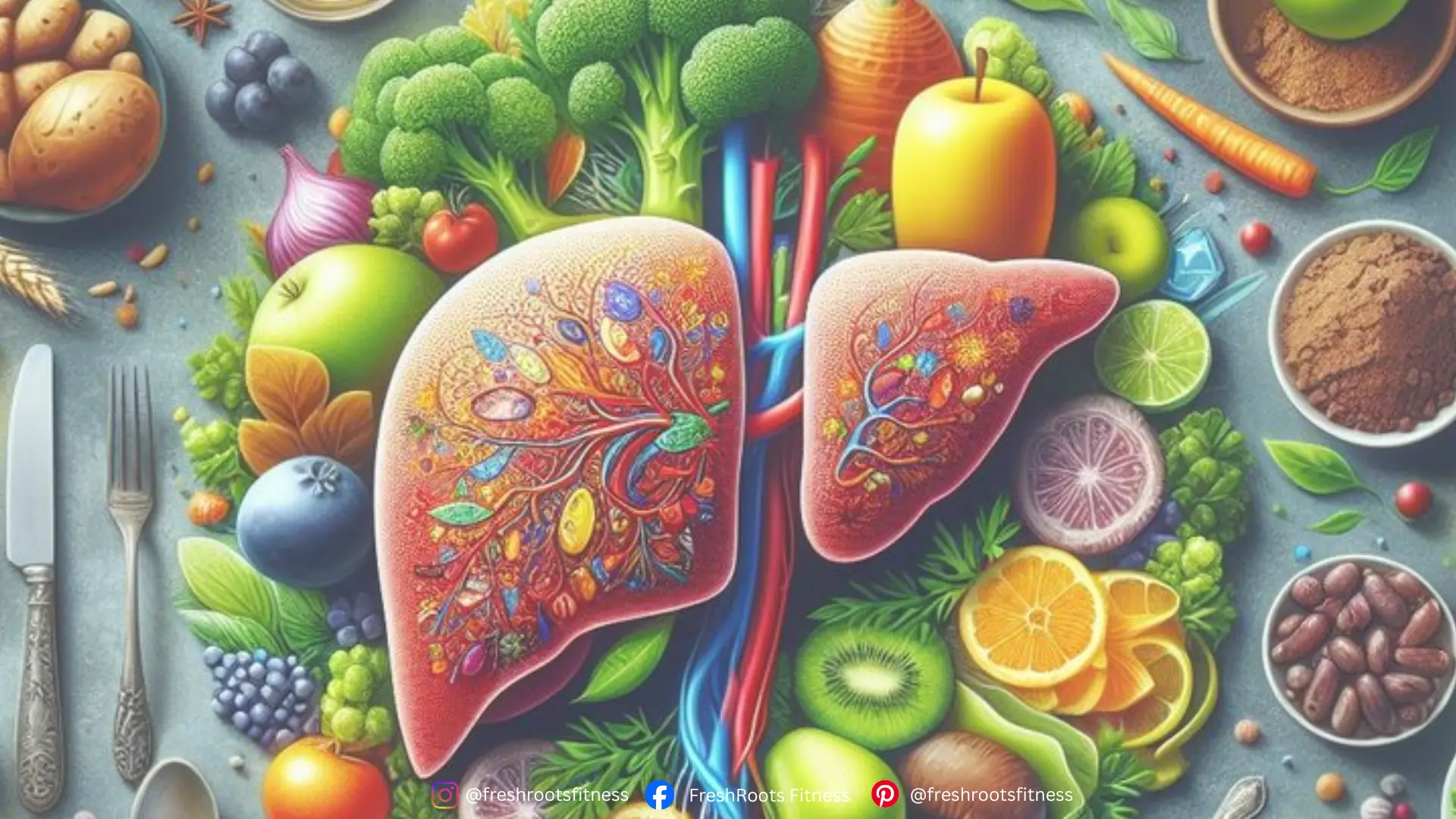
Your liver is doing something extraordinary right now and you probably haven’t thought about it once today. It’s filtering your blood, producing bile to break down fat, metabolizing medications, converting nutrients into usable energy and neutralizing toxins all simultaneously, all without you asking it to.
The liver is one of the hardest-working organs in the human body. It performs over 500 known functions and is the only internal organ capable of regenerating itself. Yet most people only think about their liver when something goes wrong, such as fatty liver disease, elevated enzymes or something more serious, discovered on a routine blood test.
If you’ve been wondering how to improve liver health naturally, the good news is that this organ responds remarkably well to the right lifestyle inputs. You don’t need expensive detox kits, trendy supplements or extreme cleanses. What the liver actually needs is far more straightforward and far more within your control.
This guide covers everything that quietly damages your liver over time, what genuinely helps, what to eat, which daily habits make a real difference, and when to get medical support. Let’s get into it.
What the Liver Does And Why It Deserves Your Attention
Before diving into solutions, it’s worth understanding why this organ matters so deeply. The liver sits in the upper right portion of your abdomen and performs functions that no other organ can replicate:
- Detoxification – Filters every drop of blood that passes through your digestive tract before it reaches the rest of your body, neutralizing alcohol, medications and environmental toxins.
- Metabolism – Converts carbohydrates, proteins and fats into forms the body can use or store.
- Bile production – Produces bile that travels to the small intestine and assists with fat digestion and the absorption of fat-soluble vitamins (K, A, D, E).
Vitamin K
Vitamin A
Vitamin D
Vitamin E
- Protein synthesis – Produces proteins essential for blood clotting and immune function.
- Glycogen storage – Stores glucose as glycogen and releases it when blood sugar drops.
- Hormone regulation – Breaks down and removes excess hormones, including estrogen and insulin.
Research suggests that because the liver has such a significant reserve capacity, damage often progresses silently for years before symptoms appear. By the time fatigue, jaundice or abdominal discomfort show up, liver function may already be meaningfully compromised. This is why proactive, daily attention to liver health matters and why learning how to improve liver health naturally is worth your time now, before problems develop.
What Quietly Damages the Liver Over Time
Understanding the causes of liver damage helps you make smarter choices. Most liver disease develops gradually from consistent daily exposures, not a single dramatic event.
Excess Alcohol Consumption
Alcohol is processed almost entirely by the liver and in large amounts it overwhelms the organ’s capacity. Over time, alcohol causes inflammation, fat accumulation (alcoholic fatty liver disease) and eventually scarring (cirrhosis). Studies indicate that even regular moderate-to-heavy drinking, not just binge drinking, causes progressive liver damage that takes years to become visible.
Poor Diet and Excess Sugar
Non-alcoholic fatty liver disease (NAFLD) is now the most common liver condition globally and it’s driven primarily by diet. Diets high in refined carbohydrates, fructose, saturated fat and ultra-processed foods cause fat to accumulate in liver cells even in people who don’t drink alcohol.
Research suggests that excess fructose found in high quantities in sugary drinks, fruit juices and packaged sweets is particularly problematic because the liver metabolizes fructose differently from glucose, converting much of it directly into fat.
Excess Body Weight
Obesity, especially abdominal obesity, is strongly linked to fatty liver disease. Excess fat tissue, particularly visceral fat around the organs, promotes liver inflammation and insulin resistance that worsens fat accumulation in liver cells.
Medication Overuse
The liver metabolizes virtually every medication you take. Chronic overuse of common over-the-counter drugs, particularly acetaminophen (paracetamol), is a leading cause of liver damage. Even at recommended doses, daily use over long periods puts consistent metabolic pressure on the liver.
Environmental Toxins
Pesticides, industrial chemicals and certain compounds in personal care products and plastics (like BPA) place an additional burden on the liver’s detoxification pathways. Chronic low-level exposure, accumulated over years, contributes to liver stress in ways that are difficult to quantify but increasingly well-documented.
Chronic Stress and Poor Sleep
Many people overlook the liver-stress connection. Chronic stress elevates cortisol, promotes inflammation and is linked to increased fat storage, including in the liver. Poor sleep independently disrupts liver metabolism and impairs the liver’s natural repair cycles, which are most active during rest.
How to Improve Liver Health Naturally
These are not quick fixes or trendy interventions. These are lifestyle habits with genuine research support, the kind of changes that compound over weeks and months into meaningful liver health improvements.
1. Prioritize Water
The liver produces bile and filters blood, both processes require adequate hydration to function efficiently. When the body is consistently dehydrated, the liver has to work harder to concentrate bile and flush metabolic waste.
Drinking adequate water throughout the day, roughly 8-10 glasses for most adults, more if you’re physically active or in a hot climate, is one of the simplest and most impactful things you can do for liver health. Warm water in particular has been traditionally associated with improved bile flow and digestion.
Many people report that consistent hydration alone improves digestion, reduces bloating and supports the energy levels that are often compromised when the liver is under stress.
2. Reduce Alcohol Or Eliminate It Entirely
For anyone serious about how to improve liver health naturally, alcohol reduction is non-negotiable. Alcohol is a direct hepatotoxin, meaning it is toxic to liver cells at sufficient quantities. The liver can process roughly one standard drink per hour, but consistently exceeding this over days, months and years causes cumulative damage.
Even if you don’t drink heavily, reducing intake meaningfully or taking regular alcohol-free weeks gives the liver genuine recovery time. Research suggests the liver begins repairing alcohol-related inflammation relatively quickly once alcohol is removed, particularly in the earlier stages of damage. If you currently drink daily, cutting back progressively and tracking your intake honestly is a meaningful first step.
3. Eat Liver-Supportive Foods Consistently
What you eat is the primary lever you have over liver health. Certain foods actively support liver function, reduce inflammation and help prevent or reverse fat accumulation in liver cells.
Leafy Greens
A Liver’s Best Friend Spinach, kale, arugula and other leafy greens contain compounds that activate liver detoxification enzymes and help neutralize toxins. They’re also rich in folate, which supports cellular repair and chlorophyll, which some research suggests helps the liver process environmental chemicals.
Coffee
One of the Most Studied Liver Protectors. This may surprise you, but coffee is one of the most consistently researched foods for liver health. Studies indicate that regular coffee consumption, two to three cups per day, is associated with significantly lower risk of liver cirrhosis, liver fibrosis and even liver cancer. The protective compounds appear to include both caffeine and polyphenol antioxidants that reduce liver inflammation and fibrosis markers.
Many experts believe coffee is one of the most evidence-backed daily habits for liver protection available to the general public.
Cruciferous Vegetables
Broccoli, cauliflower, Brussels sprouts and cabbage are rich in glucosinolate compounds that stimulate liver detoxification enzymes and support the liver’s Phase II detox pathways. Research suggests that regular cruciferous vegetable consumption is associated with reduced liver fat and improved enzyme levels.
Fatty Fish and Omega-3s
Salmon, sardines, mackerel and trout are rich in omega-3 fatty acids, which reduce liver inflammation and have been shown to lower liver enzyme levels in people with NAFLD. Studies indicate that omega-3 supplementation or dietary omega-3 intake can meaningfully reduce liver fat in people with fatty liver disease.
Olive Oil
Extra-virgin olive oil contains oleocanthal, a compound with anti-inflammatory properties and monounsaturated fats that support healthy liver enzyme levels. Research suggests that substituting olive oil for other cooking fats is associated with reduced liver fat accumulation.
Garlic
Garlic contains allicin and selenium compounds that activate liver detoxification enzymes and have antioxidant properties. Some users notice improved digestion and reduced bloating when they add raw or lightly cooked garlic to their diet regularly.
Beets
Beetroot contains betalain pigment compounds with significant antioxidant and anti-inflammatory properties, along with nitrates that support liver blood flow. Research suggests that beet consumption can reduce oxidative stress in the liver and improve certain liver enzyme markers.
Green Tea
Rich in catechins, a type of antioxidant studied for liver-protective effects, green tea has shown promise in research for reducing liver fat, lowering liver enzyme levels and protecting against liver cell damage. Two to three cups per day appears to be the range associated with benefit.
Walnuts
High in omega-3 fatty acids, glutathione and arginine, all of which support liver detoxification and reduce ammonia accumulation. Studies indicate that walnut consumption is associated with improved liver function markers in people with NAFLD.
4. Cut Back on Sugar and Refined Carbohydrates
This is arguably the most impactful dietary change for the liver and the hardest for most people to sustain. Excess sugar, particularly fructose, is metabolized primarily in the liver and converted into triglycerides that accumulate as liver fat.
Reducing sugary drinks, cutting back on packaged sweets and processed foods and replacing refined carbohydrates (white bread, white rice, pastries) with whole food alternatives (oats, brown rice, legumes, sweet potato) can meaningfully reduce liver fat over weeks to months.
Some users notice improved energy, reduced bloating and better digestion within two to three weeks of significantly cutting sugar intake, partly because the liver is no longer processing large fructose loads multiple times daily.
5. Exercise Regularly
Regular physical activity is one of the most powerful interventions for liver health and its benefits go beyond weight management. Exercise directly reduces liver fat, improves insulin sensitivity (which drives fat accumulation in the liver) and lowers inflammation.
Research suggests that 150 minutes of moderate aerobic exercise per week, even just brisk walking, can meaningfully reduce liver fat in people with NAFLD, independent of weight loss. The liver responds to exercise relatively quickly. Some studies show measurable reductions in liver fat within eight to twelve weeks of consistent aerobic training.
Resistance training provides complementary benefits by improving insulin sensitivity and reducing visceral fat, both of which are closely linked to liver health. A combination of aerobic activity and two weekly strength sessions is an excellent target for liver health, specifically.
6. Maintain a Healthy Weight
Since excess body fat, particularly visceral fat, is one of the primary drivers of fatty liver disease, sustainable weight management is central to long-term liver health. Even modest weight loss of 5-10% of body weight has been shown in clinical research to meaningfully reduce liver fat and improve liver enzyme levels in people with NAFLD.
The dietary and exercise changes in this guide will naturally support healthy weight management without requiring a restrictive crash diet, which, ironically, can itself stress the liver through rapid fat mobilization and nutrient restriction.
7. Be Thoughtful With Medications and Supplements
The liver processes every medication and supplement you consume. Taking more than directed, combining multiple medications without medical guidance or using herbal supplements without understanding their liver burden can quietly stress the liver over time.
A few specific cautions:
- Acetaminophen (paracetamol) – Safe at recommended doses but damaging at higher doses. Avoid alcohol while taking it, as the combination is particularly harsh on the liver.
- Herbal supplements – Some widely used herbs (kava, comfrey, green tea extract in high doses, certain Ayurvedic preparations) have documented hepatotoxic effects. More is not always better with supplements.
- Statins – While generally safe, they can occasionally elevate liver enzymes. Regular monitoring is appropriate for anyone on long-term statin therapy.
When in doubt, ask your doctor before adding any supplement to your routine, particularly if you already have elevated liver enzymes or a diagnosed liver condition.
8. Limit Exposure to Environmental Toxins
While you can’t control all environmental exposures, you can make meaningful reductions in daily toxin burden:
- Choose organic produce for the “dirty dozen,” the fruits and vegetables with consistently the highest pesticide residues.
- Filter your drinking water, particularly if you live in an area with known water quality concerns.
- Choose BPA-free food storage containers and avoid heating food in plastic.
- Ventilate your home regularly to reduce indoor chemical accumulation from cleaning products and synthetic materials.
- Choose natural or low-chemical personal care and cleaning products where possible.
Every toxin your body doesn’t absorb is one less thing your liver has to process.
9. Prioritize Sleep
The liver is most metabolically active during deep sleep. This is when it processes the day’s metabolic waste, repairs damaged cells and restores glycogen stores. Consistently poor sleep disrupts these cycles and contributes to liver inflammation over time.
Research suggests that people with chronic sleep deprivation have higher rates of fatty liver disease independent of other lifestyle factors. Targeting seven to nine hours of quality sleep per night, with a consistent sleep schedule, supports the liver’s natural overnight repair process.
Signs Your Liver May Need Attention
Because the liver operates silently, symptoms of early dysfunction are often vague and easy to dismiss. Watch for:
- Persistent fatigue and low energy one of the earliest and most common signs of liver stress.
- Bloating, gas or digestive discomfort, particularly after fatty meals.
- Unexplained weight gain, especially around the abdomen.
- Skin issues include itching, yellowing (jaundice) or spider-like blood vessels near the surface.
- Dark urine or pale, greasy stools.
- Nausea or loss of appetite.
- Brain fog and difficulty concentrating.
- Elevated liver enzymes (AST, ALT) on routine blood work.
Many users notice these signs for months or even years before connecting them to liver health. If several of these resonate, bringing them to your doctor’s attention along with a request for a liver function panel is a sensible and proactive step.
When to See a Doctor
Natural lifestyle changes are genuinely powerful for liver health, but certain situations require medical assessment without delay:
- Jaundice, yellowing of the skin or whites of the eyes, at any severity.
- Severe right-sided abdominal pain or tenderness.
- A swollen abdomen (ascites) is fluid accumulation in the abdominal cavity.
- Consistently elevated liver enzymes on blood tests despite lifestyle changes.
- Known liver conditions (hepatitis B or C, cirrhosis) require specialist monitoring.
- A history of heavy, long-term alcohol use may cause liver damage from this cause that needs medical management.
- Unexplained dramatic weight loss alongside fatigue and abdominal discomfort.
If you’ve been told your liver enzymes are elevated and haven’t received a clear explanation or follow-up plan, it is entirely appropriate to ask for further investigation. Catching liver issues early, before scarring develops, dramatically improves outcomes.
How Long Does It Take to See Liver Health Improvements?
Realistic expectations support sustainable habit change:
- Dietary changes – Reduced sugar and processed food intake can show measurable improvements in liver enzyme levels within four to eight weeks.
- Exercise – Consistent aerobic activity shows measurable reductions in liver fat within eight to twelve weeks.
- Alcohol reduction – Early stages of alcohol-related inflammation begin to recover relatively quickly once intake is reduced.
- Weight loss – Even 3-5% body weight reduction shows liver fat reductions and 5-10% shows significant clinical improvements in liver health markers.
- Hydration and sleep – Improvements in energy and digestion often appear within one to two weeks.
The liver’s regenerative capacity is genuine with the right inputs, meaningful recovery is possible. But it requires consistency over weeks and months, not days.
By American Liver Foundation: 13 Ways to a Healthy Liver
Conclusion
The liver is one of the most forgiving organs in the human body. It can regenerate, it can recover and it responds meaningfully to the habits you build around it. But it can only do so much when consistently hit with poor diet, excess alcohol, inadequate sleep and chronic stress.
Understanding how to improve liver health naturally isn’t about following a rigid detox protocol or buying an expensive supplement stack. It’s about consistent daily choices, drinking more water, eating more whole foods, moving your body regularly, sleeping properly and reducing what burdens the liver unnecessarily.
Start with one or two changes that feel genuinely manageable. Build from there. The liver doesn’t need perfection, it needs consistency. And given even half a chance, it will reward you with better energy, clearer thinking, improved digestion and a foundation of health that carries through everything else you do.
FAQs
-
How do I know if my liver is struggling?
Common signs include persistent fatigue, bloating after fatty meals, unexplained weight gain, skin itching, brain fog and dark urine. Elevated liver enzymes (ALT, AST) on blood tests are the most reliable early indicator.
-
Is coffee actually good for the liver?
Yes, research consistently links two to three daily cups of coffee with a lower risk of liver cirrhosis, fibrosis and liver disease. Both caffeinated and decaffeinated versions appear to offer some protective benefit.
-
Can a damaged liver repair itself naturally?
Yes, the liver has remarkable regenerative ability. In early-stage damage, lifestyle changes like reducing alcohol, improving diet and exercising regularly can support significant natural repair and recovery.
-
What is the fastest way to improve liver health naturally?
Cutting sugar and processed foods, drinking more water and exercising regularly show the fastest measurable results, often within four to eight weeks of consistent effort.
-
Does exercise really help the liver?
Yes, studies show 150 minutes of moderate weekly exercise reduces liver fat meaningfully, even without weight loss. Both aerobic activity and resistance training independently benefit liver health markers.
-
What foods are the worst for liver health?
Sugary drinks, fried and ultra-processed foods, alcohol and refined carbohydrates are the biggest dietary threats. Excess fructose from packaged foods is particularly harmful as it converts directly to liver fat.

- How to Reduce Cholesterol Naturally With Simple Food Habits - July 4, 2026
- Early Signs of High Blood Sugar Most People Miss Daily - June 25, 2026
- How to Boost Immunity Naturally: Simple Daily Habits - June 23, 2026