Your gut is home to trillions of microorganisms, bacteria, fungi and viruses that collectively form what scientists call the gut microbiome. And while that might sound alarming at first, here’s the truth most of these microorganisms are not only harmless, they’re essential. They help digest food, produce vitamins, regulate immunity, protect against harmful pathogens and even influence how you think and feel.
The balance of this microbial community matters enormously. When the ratio of beneficial to harmful bacteria tips in the wrong direction from antibiotics, poor diet, chronic stress or illness, the consequences ripple far beyond just an upset stomach. Bloating, irregular digestion, weakened immunity, mood swings, skin flare-ups and fatigue can all trace their roots back to a disrupted gut microbiome.
This is exactly where probiotics come in. Probiotics are live beneficial bacteria and yeasts that, when consumed in adequate amounts, actively support and restore healthy gut microbial balance. Understanding the full scope of probiotics’ benefits for gut health goes well beyond just fixing diarrhea or reducing bloating. The research connecting gut health to overall well-being is among the most exciting in modern medicine.
In this guide, we’ll walk through what probiotics actually are, how they work, the specific and evidence-supported ways they benefit your gut and broader health, the best food and supplement sources and who stands to benefit most from making probiotics a consistent part of their daily routine.
What Are Probiotics and How Do They Work?
The word “probiotic” comes from the Latin and Greek roots meaning “for life.” In scientific terms, probiotics are live microorganisms that, when consumed in sufficient quantities, confer a health benefit on the host.
The most well-studied probiotic strains belong to two primary genera, Lactobacillus and Bifidobacterium. Different strains within these genera have different effects on the body, which is why the specific strain matters more than the general category when evaluating probiotic products.
Here’s how they work in practice.
When you consume probiotic-rich food or a supplement, the live bacteria travel through the digestive tract. Some are destroyed by stomach acid before reaching the intestines, which is why dosage and strain resilience matter. Those that survive colonize temporarily in the gut, where they compete with harmful bacteria for space and resources, produce antimicrobial substances that suppress pathogen growth, strengthen the intestinal barrier that prevents harmful particles from leaking into the bloodstream and interact directly with immune cells lining the gut wall.
Experts believe probiotics don’t permanently recolonize the gut in most cases, their benefits are largely dependent on consistent, ongoing intake. This is why regularity matters more than an occasional large dose.
The gut microbiome is now understood to be so central to overall health that researchers sometimes call it the body’s “second brain” and “second immune system.” Supporting it with probiotics is one of the most direct and practical nutritional interventions available.
Proven Probiotics Benefits for Gut Health
Let’s get into the evidence. Here is what research consistently supports when it comes to probiotics’ benefits for gut health.
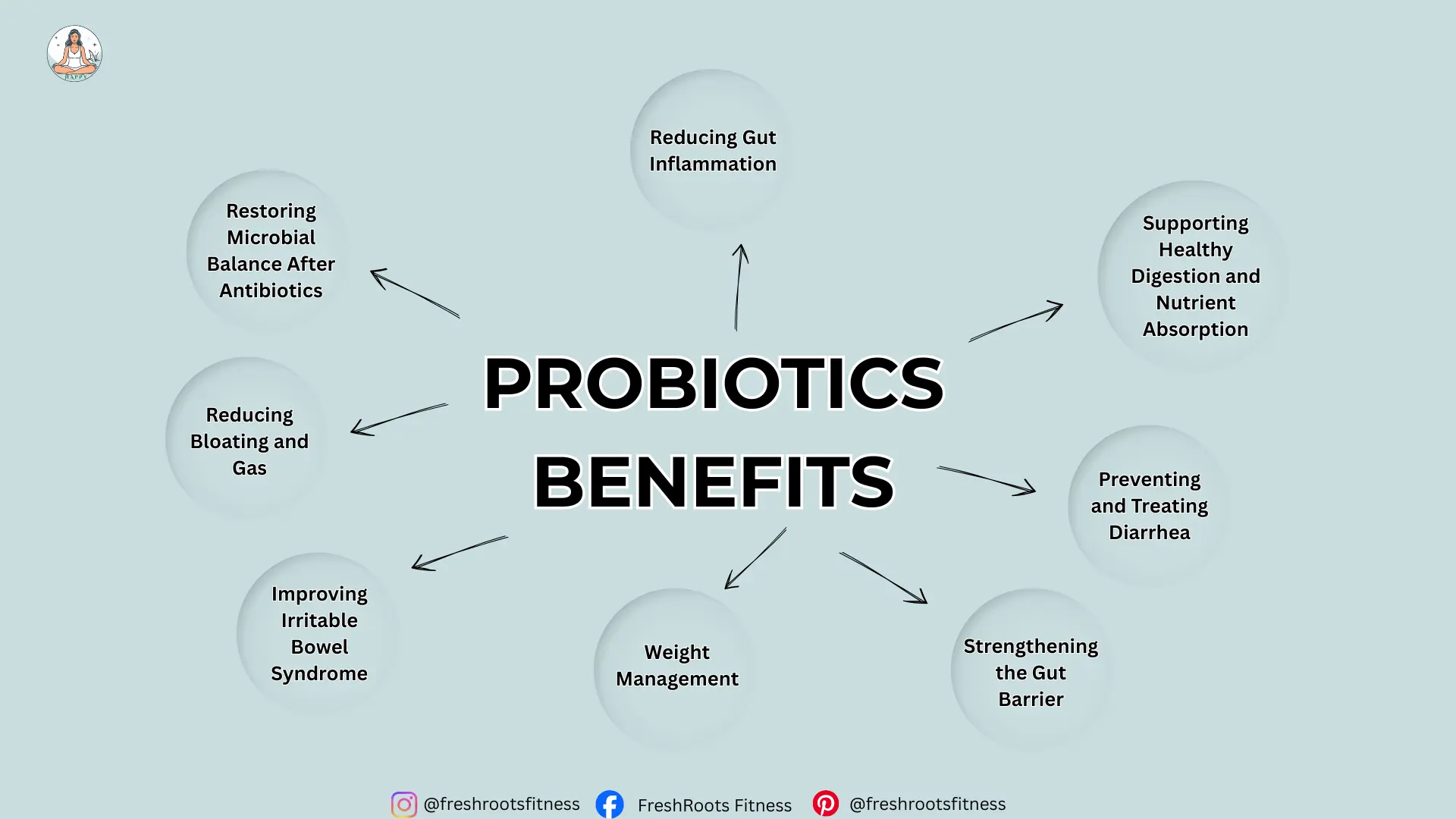
Restoring Microbial Balance After Antibiotics
This is one of the most well-established and practical benefits of probiotics. Antibiotics work by killing bacteria, but they don’t discriminate between harmful pathogens and beneficial gut microorganisms. A single course of antibiotics can significantly disrupt gut microbial diversity, sometimes for months after the medication has finished.
Studies indicate that taking probiotics during and after antibiotic treatment significantly reduces the duration and severity of antibiotic-associated diarrhea and helps restore microbial balance more quickly. Strains of Lactobacillus rhamnosus GG and Saccharomyces boulardii are among the most well-researched for this purpose.
Many healthcare providers now routinely recommend probiotics alongside antibiotic prescriptions, a shift that reflects growing recognition of how important post-antibiotic gut recovery is for overall health.
Reducing Bloating and Gas
For anyone who deals with regular bloating, uncomfortable gas and a distended stomach, probiotics are one of the most consistently helpful interventions available. Bloating often results from an overgrowth of gas-producing bacteria in the digestive tract or from imbalanced fermentation of food in the colon.
Probiotics, particularly Lactobacillus acidophilus and Bifidobacterium longum strains, help correct this imbalance by competing with gas-producing organisms and improving the efficiency of food fermentation. Many people report a noticeable reduction in daily bloating within two to four weeks of consistent probiotic intake.
Improving Irritable Bowel Syndrome (IBS) Symptoms
Irritable bowel syndrome affects a significant portion of the adult population and is characterized by recurring abdominal pain, bloating, constipation, diarrhea or alternating between the two. Research suggests that gut dysbiosis, an imbalance in the microbiome, plays a central role in IBS, making probiotics a logical therapeutic target.
Multiple clinical trials have found that specific probiotic strains meaningfully reduce IBS symptom severity, including abdominal pain, bloating and bowel irregularity. While probiotics are not a cure for IBS, they are increasingly considered a valuable part of symptom management, particularly when used consistently and with strains matched to the individual’s symptom pattern.
Supporting Healthy Digestion and Nutrient Absorption
The gut microbiome plays an active role in breaking down food components that human digestive enzymes can’t handle alone, particularly dietary fiber. Beneficial bacteria ferment fiber into short-chain fatty acids (SCFAs), including butyrate, which serves as the primary fuel source for the cells lining the colon.
Butyrate supports gut barrier integrity, reduces inflammation in the gut wall and has been linked to a lower risk of colorectal cancer in long-term research. Probiotics also support the absorption of certain minerals, particularly calcium, magnesium, and iron, by improving the gut environment in which absorption occurs.
Preventing and Treating Diarrhea
Both acute infectious diarrhea and chronic diarrhea from various causes respond meaningfully to probiotic intervention. Studies indicate that probiotics, particularly Lactobacillus rhamnosus GG, can reduce the duration of acute diarrhea in adults and decrease its severity significantly.
For traveler’s diarrhea, one of the most common travel health complaints, taking probiotics before and during travel to high-risk regions has been shown to reduce the likelihood of developing the condition. For those dealing with chronic loose stools from gut dysbiosis, sustained probiotic use helps reestablish the bacterial balance needed for normal stool consistency.
Strengthening the Gut Barrier
The gut lining is a single-cell-layer barrier that separates the intestinal contents, including bacteria, food particles and toxins, from the bloodstream. When this barrier becomes compromised, unwanted substances can pass through and trigger systemic inflammation.
Probiotics, particularly Lactobacillus strains, have been shown to strengthen tight junctions between gut lining cells, the structures that physically seal the barrier. Research suggests that a stronger gut barrier reduces systemic inflammation, supports immune function and may have downstream benefits for conditions ranging from skin health to mood regulation.
Reducing Gut Inflammation
Chronic low-grade gut inflammation underlies many digestive conditions, including inflammatory bowel disease (IBD), Crohn’s disease and ulcerative colitis. While probiotics are not a replacement for medical treatment in serious inflammatory conditions, research suggests they can meaningfully reduce inflammatory markers in the gut when used as part of a comprehensive management plan.
Probiotics Benefits for Gut Health That Reach Beyond Digestion
One of the most exciting developments in microbiome science is the realization that the benefits of a healthy gut extend far beyond digestion itself. The gut communicates with virtually every system in the body through the gut-brain axis, the immune system, the endocrine system and the circulatory system.
These Articles You Must Read
Home Remedies for Constipation in Adults
Home Remedies for Bloating and Gas After Eating
Immune System Support
Roughly 70% of the immune system resides in and around the gut wall. The gut microbiome interacts constantly with immune cells, training them to distinguish between harmful pathogens and harmless food particles or beneficial bacteria. Probiotics support this process by maintaining microbial diversity, stimulating protective antibody production and reducing inflammatory signaling.
Many people report fewer colds and infections after establishing a consistent probiotic routine and research suggests that certain strains do measurably reduce the incidence and duration of upper respiratory infections.
Mental Health and the Gut-Brain Axis
Around 90% of the body’s serotonin, the neurotransmitter most closely associated with mood and wellbeing, is produced in the gut. The composition of the gut microbiome directly influences how much serotonin is produced and how effectively it functions.
Research suggests that certain probiotic strains, sometimes called psychobiotics, can measurably reduce anxiety, depression scores and perceived stress. While this is still an emerging field, the gut-brain axis is now recognized as a genuine pathway through which probiotic supplementation can support mental health alongside conventional care.
Skin Health
The gut-skin axis describes the connection between gut microbiome health and skin conditions, including acne, eczema, rosacea and psoriasis. Studies indicate that gut dysbiosis and increased intestinal permeability are associated with more severe inflammatory skin conditions and that restoring microbiome balance through probiotics can reduce skin inflammation.
Some users report noticeable improvements in skin clarity and reduction in flare-ups after several weeks of consistent probiotic use, though results vary significantly by individual and condition.
Weight Management
The gut microbiome influences metabolism, appetite signaling, fat storage and the extraction of calories from food. Research suggests the composition of gut bacteria differs meaningfully between lean and obese individuals and that certain probiotic strains can support a healthier body weight by improving insulin sensitivity and influencing appetite hormones.
Probiotics are not a weight loss solution on their own, but as part of a broader healthy lifestyle, supporting the microbiome is increasingly understood to be a relevant component of sustainable weight management.
Best Food Sources of Probiotics
For most people, food-based probiotics are the most natural, accessible and enjoyable way to support gut health consistently.
Yogurt
Plain yogurt with live and active cultures is the most widely consumed probiotic food. Look for the “live and active cultures” label. Heat-treated yogurt does not retain viable bacteria. Plain, unsweetened yogurt is preferable to wide-flavored varieties, which contain enough added sugar to feed less desirable bacterial populations.
Kefir
A fermented milk drink that typically contains a significantly more diverse range of probiotic strains than yogurt, sometimes 12 or more different species. Research suggests kefir is also effective for people with mild lactose intolerance, as fermentation partially breaks down lactose.
Kimchi
A traditional Korean fermented vegetable dish rich in Lactobacillus bacteria, fiber, vitamins C and K and antioxidants. Regular kimchi consumption has been associated with improved gut microbial diversity in research studies.
Sauerkraut
Fermented cabbage rich in Lactobacillus bacteria. Choose unpasteurized sauerkraut pasteurization kills the live cultures that make it beneficial. Most supermarket varieties are pasteurized look for refrigerated options.
Miso
A fermented soybean paste that delivers beneficial bacteria alongside a rich umami flavor. Miso soup, miso-glazed vegetables and miso-based dressings are all easy ways to incorporate it regularly.
Tempeh
Fermented soybeans pressed into a firm, nutty-flavored cake, tempeh is both a probiotic food and an excellent plant-based protein source, providing iron, calcium and B vitamins alongside live cultures.
Kombucha
A fermented tea beverage containing live bacteria and yeasts. Look for raw, unpasteurized versions with low sugar content for the most probiotic benefit.
Fermented Pickles
Cucumbers fermented in salt water not vinegar, contain live Lactobacillus cultures. Traditional brine-fermented pickles are the ones that carry genuine probiotic value, not the vinegar-pickled variety found in most supermarkets.
Should You Take a Probiotic Supplement?
For many people, food sources alone provide adequate probiotic support. But certain situations make supplementation a useful additional tool.
Supplements are particularly worth considering when recovering from antibiotics, managing IBS or chronic digestive conditions, traveling to regions with high infection risk or when the diet is consistently low in fermented foods.
When choosing a supplement, look for strain specificity matched to your concern, a CFU count between 10 and 50 billion, survivability through stomach acid (enteric-coated capsules help) and proper storage some strains require refrigeration.
Always consult a healthcare provider before starting probiotics if you are immunocompromised, have a serious digestive condition or are pregnant.
Who Benefits Most From Probiotics?
While most healthy adults benefit from consistent probiotic intake, these groups tend to see the most meaningful results:
- People recovering from antibiotics the most evidence-backed use case.
- Adults with IBS or functional digestive disorders.
- Anyone with a diet low in fiber and fermented foods.
- People under chronic stress, which depletes microbial diversity over time.
- Frequent travelers to regions with different bacterial environments.
- People with inflammatory skin conditions like eczema or acne.
- Older adults’ microbial diversity naturally decreases with age.
Lifestyle Habits That Support Gut Health Alongside Probiotics
Probiotics are most effective when supported by habits that nourish the microbiome more broadly.
- Eat prebiotic-rich foods such as garlic, onions, leeks, asparagus, oats and bananas, which feed beneficial bacteria. Probiotics and prebiotics work as a team.
- Eat a diverse, plant-rich diet. Greater dietary variety links directly to greater gut microbial diversity.
- Minimizing ultra-processed food, artificial additives and excess sugar disrupts microbial balance.
- Manage stress actively, chronic stress alters gut motility and reduces microbial diversity.
- Exercise regularly, physical activity independently supports gut microbial diversity and SCFA production.
- Stay hydrated. Water supports gut motility and the environment where beneficial bacteria thrive.
- Prioritize sleep, gut bacteria follow circadian rhythms and disrupted sleep disrupts microbial balance.
When to See a Doctor About Gut Health
Probiotics support a healthy gut, but they don’t replace medical care when something more serious is happening. See a doctor if you experience:
- Blood in the stool or significant rectal bleeding.
- Severe or worsening abdominal pain.
- Unexplained significant weight loss alongside digestive changes.
- Diarrhea that lasts more than two weeks without improvement.
- No improvement after several weeks of consistent probiotic use and dietary changes.
How Long Before You Notice Probiotic Benefits?
- Bloating and gas: Improvement often within 1-2 weeks of consistent use.
- Bowel regularity: Usually noticeable within 2-4 weeks.
- IBS symptom reduction: Most studies show meaningful results after 4-8 weeks.
- Immune and mood benefits: Typically noticed gradually over 2-3 months.
- Post-antibiotic recovery: Measurable microbiome recovery typically takes 4-8 weeks with probiotic support.
Consistency is more important than dose. A small daily probiotic habit maintained over months produces better outcomes than sporadic large doses.
By Source HealthLine- 5 Health Benefits of Probiotics
Conclusion
The research is no longer ambiguous. A healthy gut microbiome is foundational to immunity, mental health, metabolic function, skin health and long-term disease prevention. And probiotics’ benefits for gut health are real, they’re broad and they’re available to most people through the simple act of eating more fermented foods and supporting the lifestyle habits that nourish the microbial community living inside them.
Start with yogurt at breakfast. Add some kimchi or sauerkraut to lunch. Choose whole, fiber-rich foods that feed what you’re trying to grow. These are not dramatic changes, but over weeks and months, they build something remarkable.
The trillions of organisms living inside you are waiting to support you. Give them what they need.
FAQs
-
Can probiotics cause side effects?
Mild bloating or gas is common in the first one to two weeks as the gut adjusts. These effects usually resolve quickly. Immunocompromised individuals should always consult a doctor before starting probiotics.
-
What foods are the richest natural sources of probiotics?
Plain yogurt with live cultures, kefir, kimchi, unpasteurized sauerkraut, miso, tempeh, kombucha and naturally brine-fermented pickles are the most reliable and accessible natural probiotic sources.
-
Do probiotics help with mental health?
Emerging gut-brain axis research shows certain strains reduce anxiety and depression scores. Around 90% of serotonin is made in the gut, making microbiome health directly relevant to mood and emotional regulation.
-
How long does it take for probiotics to improve gut health?
Most people notice bloating and bowel improvements within two to four weeks. IBS symptom relief and broader immune or mood benefits typically take four to eight weeks of consistent intake.
-
Are probiotic foods better than supplements?
Food sources provide probiotics alongside fiber and nutrients preferable for daily use. Supplements are more targeted and useful during antibiotic recovery or when managing specific chronic digestive conditions consistently.
-
What are the main probiotics benefits for gut health in adults?
Key benefits include reduced bloating, improved digestion, restored balance after antibiotics, stronger gut barrier function, better bowel regularity and meaningfully reduced IBS symptoms with consistent daily intake.

- How to Reduce Cholesterol Naturally With Simple Food Habits - July 4, 2026
- Early Signs of High Blood Sugar Most People Miss Daily - June 25, 2026
- How to Boost Immunity Naturally: Simple Daily Habits - June 23, 2026