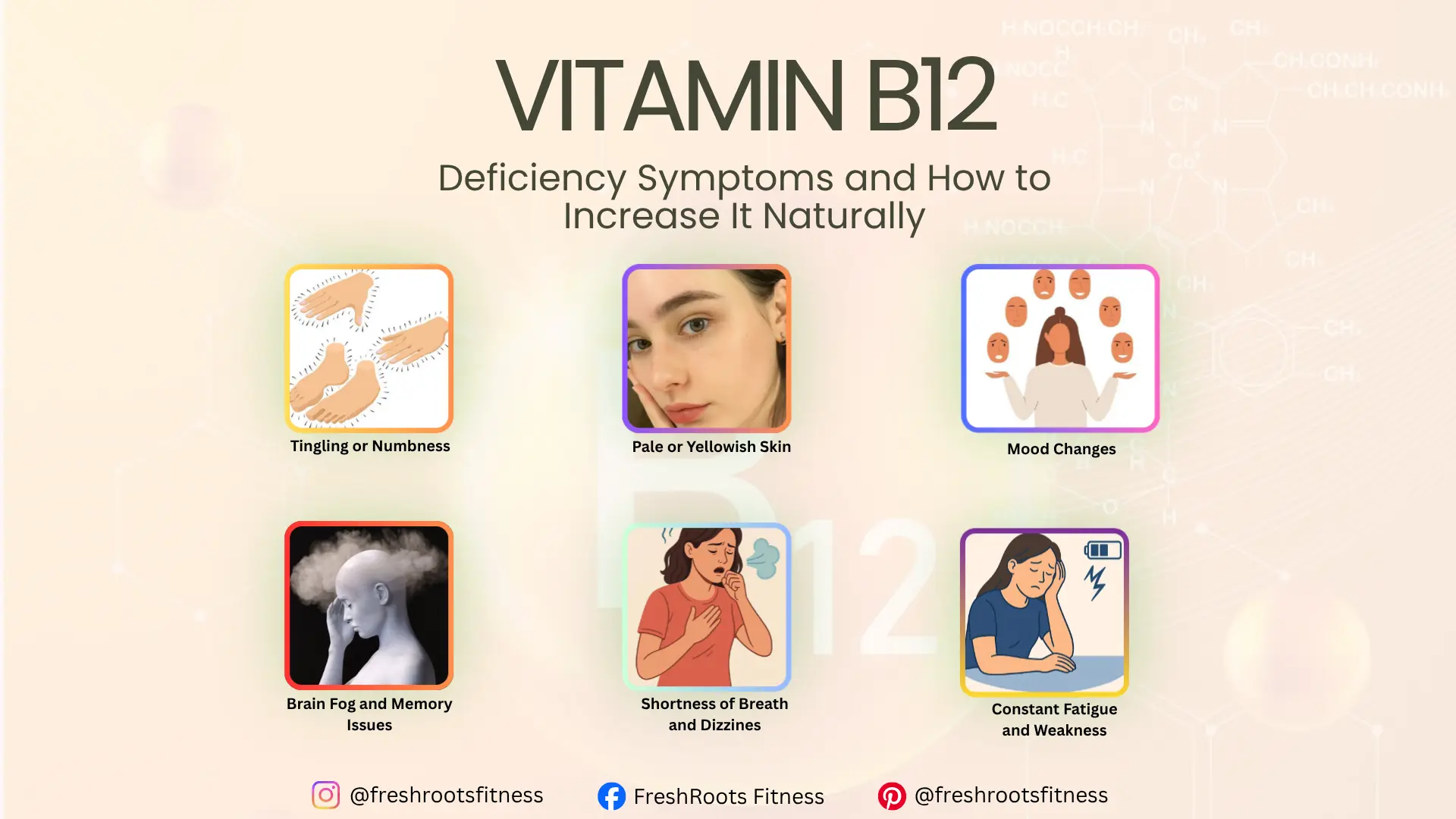
Do you often feel unusually tired, experience tingling in your hands or feet or struggle with focus and memory? These may seem like everyday issues, but sometimes they are signs your body is missing something essential. One of the most common yet often overlooked issues is Vitamin B12 Deficiency Symptoms. This vital nutrient plays a major role in your energy levels, brain function and nerve health. When your body lacks Vitamin B12, it can affect both your physical and mental well-being.
Many people report feeling more energetic, mentally clear and overall healthier once their B12 levels improve. The key is recognizing the early signs and taking simple, natural steps to correct them. Let’s explore everything you need to know.
What Is Vitamin B12 and Why Is It Important?
Vitamin B12, also known as cobalamin, is a water-soluble vitamin that is essential for several important functions in your body.
It helps:
- Produce red blood cells
- Support nerve function
- Maintain brain health
- Convert food into energy
Experts believe that Vitamin B12 plays a crucial role in DNA synthesis and nerve signaling. Without enough of it, your body may struggle to perform basic functions efficiently.
Since your body cannot produce Vitamin B12 on its own, you must get it through diet or supplements. This is why understanding Vitamin B12 Deficiency Symptoms is important for maintaining overall health.
How Vitamin B12 Affects Your Body
Vitamin B12 impacts multiple systems in your body.
It supports red blood cell production, which helps carry oxygen to your tissues. When levels are low, oxygen delivery decreases, leading to fatigue and weakness.
It also protects your nervous system. Research suggests that Vitamin B12 helps maintain the protective covering around nerves, which ensures proper signal transmission. When deficiency occurs, both energy levels and nerve health can be affected.
Common Vitamin B12 Deficiency Symptoms
The symptoms can develop slowly and are often mistaken for general tiredness or stress.
1. Constant Fatigue and Weakness
One of the earliest and most common signs.
You may feel:
- Tired even after rest
- Low on energy throughout the day
- Physically weak
Many people report noticeable improvement in energy after correcting the deficiency.
2. Tingling or Numbness
You may experience:
- Pins and needles sensation
- Numbness in hands or feet
Experts believe this happens due to nerve involvement.
3. Brain Fog and Memory Issues
Vitamin B12 plays a role in brain health.
Low levels may lead to:
- Difficulty concentrating
- Forgetfulness
- Mental confusion
Studies indicate that proper nutrient levels support cognitive function.
4. Pale or Yellowish Skin
A lack of healthy red blood cells may affect skin tone.
You may notice:
- Pale appearance
- Slight yellow tint
5. Mood Changes
Emotional health can also be affected.
You might feel:
- Irritable
- Low or anxious
- Mentally drained
Experts believe that Vitamin B12 supports neurotransmitter balance.
6. Shortness of Breath and Dizziness
Due to reduced oxygen supply, you may feel:
- Breathless during simple activities
- Lightheaded
What Causes Vitamin B12 Deficiency?
Understanding the causes helps in prevention.
Common reasons include:
- Vegetarian or vegan diet
- Poor absorption in the gut
- Aging
- Certain medications
- Digestive disorders
Vitamin B1 Deficiency
Vitamin B9 Benefits
Vitamin B7 Benefits
Vitamin B3 Benefits
Experts believe that dietary patterns are a major reason behind the increasing Vitamin B12 Deficiency Symptoms, especially in populations with limited animal-based food intake.
Natural Ways to Increase Vitamin B12
Improving your levels can often be done through simple dietary changes.
1. Include Animal-Based Foods
Vitamin B12 is naturally found in:
- Milk and dairy products
- Eggs
- Fish
- Chicken
These sources are easily absorbed by the body.
2. Fortified Foods for Vegetarians
For those who don’t consume animal products:
- Fortified cereals
- Plant-based milk alternatives
These can help provide Vitamin B12.
3. Improve Gut Health
Absorption is just as important as intake. Maintaining a healthy digestive system supports better nutrient absorption.
4. Get Sunlight and Stay Active
While sunlight does not provide B12, overall lifestyle affects metabolism and health. Experts believe that an active routine supports better nutrient utilization.
Can You Take Vitamin B12 Supplements?
Yes, supplements are often recommended when levels are low.
They may be necessary if:
- There is a diagnosed deficiency
- Diet alone is not sufficient
- Absorption is poor
Many people report improved energy and reduced symptoms after supplementation. However, it’s important to take them under proper guidance.
How Long Does It Take to Recover?
Recovery depends on the severity of the deficiency. Some people notice improved energy within a few weeks. Nerve-related symptoms may take longer to improve. Studies suggest that early detection leads to faster recovery.
Consistency is key.
According to the Cleveland Clinic – Vitamin B12 Deficiency
Lifestyle Tips to Prevent Deficiency
Simple habits can help maintain healthy levels.
- Eat a balanced diet
- Avoid skipping meals
- Stay hydrated
- Manage stress
- Get regular check-ups
Experts believe that a proactive approach helps prevent long-term issues.
Common Mistakes to Avoid
Ignoring early symptoms is a common mistake. Relying only on supplements without improving diet can also limit results.
Expecting instant recovery may lead to frustration. Keeping your approach simple and consistent works best.
Conclusion
Your body depends on essential nutrients to function properly and Vitamin B12 is one of the most important among them. Ignoring Vitamin B12 Deficiency Symptoms can affect your energy, brain function and overall health.
The good news is that with simple dietary changes and proper care, you can restore your levels and feel better over time. Listen to your body, act early and stay consistent. Small steps can lead to big improvements in your health and daily life.
FAQs
-
What are the main Vitamin B12 Deficiency Symptoms?
Fatigue, numbness, brain fog and mood changes are common signs.
-
Who is at risk of Vitamin B12 deficiency?
Vegetarians, older adults and people with digestive issues.
-
Which foods are rich in Vitamin B12?
Milk, eggs, fish and fortified foods are good sources.
-
How long does it take to recover from a deficiency?
It may take a few weeks to months, depending on severity.
-
Is it safe to take Vitamin B12 supplements daily?
Yes, but it’s best to follow proper guidance.

- How to Reduce Cholesterol Naturally With Simple Food Habits - July 4, 2026
- Early Signs of High Blood Sugar Most People Miss Daily - June 25, 2026
- How to Boost Immunity Naturally: Simple Daily Habits - June 23, 2026