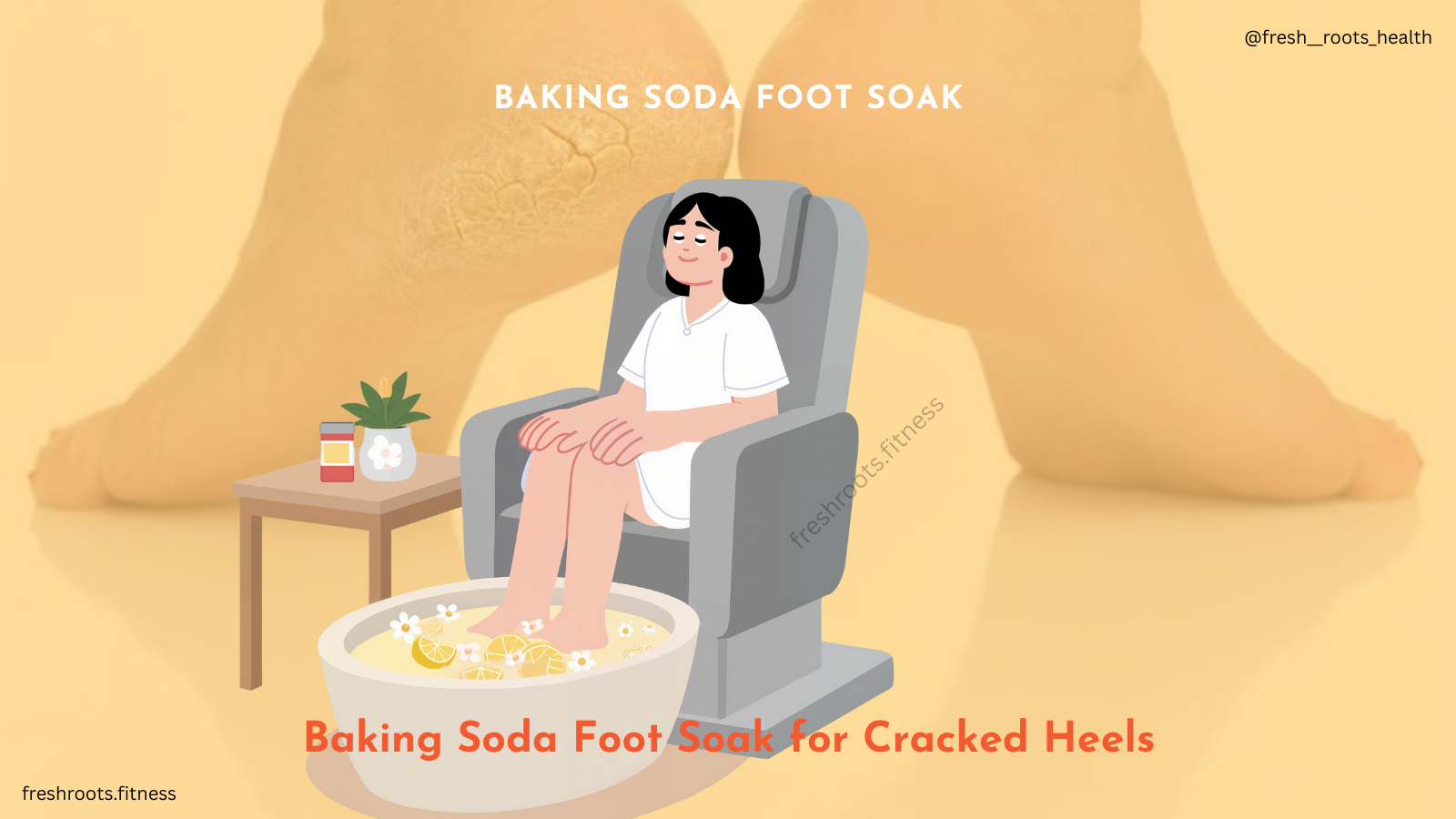
You’ve probably walked past it a hundred times without thinking twice. It’s been sitting in your kitchen cupboard, quietly minding its business next to the baking powder and the salt. And yet that humble orange box of baking soda might be the most effective foot care product you’ve never properly tried.
Cracked heels. Persistent odour that no amount of foot spray seems to fix. Dry, rough skin that’s been building up for months, maybe years. If you’ve spent real money on foot scrubs, heel balms and spa treatments and still find yourself hiding your feet in shoes at every opportunity, you’re not alone. And the answer was probably in your kitchen the whole time.
A baking soda foot soak is one of those remedies that sounds almost too simple to work. But there’s genuine science behind it, a long tradition of use and more than a few people who discovered it almost by accident and never went back to their expensive alternatives. This guide covers exactly why it works, how to do it properly, what to add for better results and the small extra steps that take it from “nice soak” to genuinely transformative for cracked, tired feet.
Why Baking Soda Works for Foot Care
Before we get into the how, it’s worth understanding the why because once you know what baking soda is actually doing to your skin, you’ll understand why it works so well for feet specifically.
1. Natural Exfoliator
Baking soda is a mild abrasive. Its fine crystalline texture helps loosen and lift dead skin cells from the surface, the built-up layers of dry, hardened skin that create the rough texture and deep cracks in heels. Unlike harsh chemical exfoliants, it does this gently enough that it doesn’t damage healthy skin underneath when used correctly.
The accumulation of dead skin cells is actually the main mechanical cause of cracked heels. Skin builds up faster than it sheds, hardens, loses elasticity and eventually splits under the pressure of walking. Regular, gentle exfoliation is the most direct way to interrupt that cycle and a baking soda soak softens the skin first, making removal much easier.
2. Odour Neutraliser
Foot odour isn’t just about sweat, it’s about bacteria. The warm, enclosed environment inside shoes is ideal for bacterial growth and those bacteria metabolise sweat to produce the acidic compounds responsible for that characteristic smell.
Baking soda is alkaline. When it comes into contact with the acidic compounds produced by bacteria, it neutralises them chemically, eliminating the odour at its source rather than masking it with fragrance. This is the same principle behind keeping an open box of baking soda in a refrigerator to absorb food smells. Applied to the feet, it works with remarkable effectiveness.
3. Antifungal and Antibacterial Properties
A 2012 study published in Mycopathologia confirmed that sodium bicarbonate, the scientific name for baking soda, has measurable antifungal activity. This makes a baking soda foot soak particularly useful for people prone to athlete’s foot or fungal nail infections, where the warm, moist environment between toes creates ideal conditions for fungal growth.
While it’s not a substitute for medical antifungal treatment in established infections, regular baking soda soaks create an inhospitable environment for both bacteria and fungi, a genuine preventive measure.
4. Soothes Itching and Inflammation
Baking soda’s alkalinity also helps balance the skin’s pH. When the skin’s natural pH is disrupted by sweat, friction or irritants in footwear, itching, redness and inflammation can follow. The alkaline environment of a baking soda soak helps calm that irritation and restore a more balanced skin environment.
This is why people who soak their feet after a long day on hard floors often report that the itching and burning sensation eases remarkably quickly. It’s not a placebo, it’s chemistry.
These Remedies Must Be Read
Honey for Tooth Pain
6 Remedy for Salty Taste in the Mouth
Remedies for Puffy Eyes and Dark Circles
The Science Behind the Soak
What most people overlook is that baking soda’s benefits for skin are well-supported beyond folk wisdom. The Mycopathologia study referenced above specifically found that sodium bicarbonate inhibited fungal growth in laboratory conditions. Meanwhile, the American Academy of Dermatology has noted that regular exfoliation with gentle agents can prevent the skin buildup that leads to cracked heels, addressing the structural problem rather than just treating the symptoms.
The surprising part is how effective such a low-cost, low-effort intervention can be. Most expensive heel treatments are trying to do exactly what baking soda does soften, exfoliate and reduce bacterial load, but wrapped in a more sophisticated package and a significantly higher price tag.
How to Make a Baking Soda Foot Soak at Home
Getting the most from your soak comes down to a few small details that make a real difference.
Ingredients:
- 3 tablespoons of baking soda.
- A large basin or tub of warm water. (enough to cover your ankles comfortably)
- Optional: a few drops of lavender or tea tree essential oil.
- Optional: ½ cup of Epsom salt for additional muscle relief.
Directions:
- Fill your basin with comfortably warm water, not hot. Water that’s too hot can dry out the skin further and irritate it.
- Add 3 tablespoons of baking soda and stir until fully dissolved.
- If using essential oils, add them now. Tea tree oil has its own antifungal and antibacterial properties that work synergistically with the baking soda. Lavender adds a calming, anti-inflammatory effect and makes the whole experience noticeably more relaxing.
- Soak for 15-20 minutes. This is the window where the skin softens enough for effective exfoliation without over-drying.
- While feet are still damp, gently work a pumice stone or soft foot brush over the heels and any rough areas. The softened dead skin will lift away far more easily than it would on dry feet.
- Rinse thoroughly with clean water and pat dry. Don’t rub, as damp post-soak skin is more delicate.
- Apply moisturiser immediately, while skin is still slightly damp. This step is non-negotiable.
Pro Tip for Cracked Heels
If your heels are significantly cracked or very dry, take the moisture-locking step further. After applying a thick moisturiser, petroleum jelly or a dedicated urea heel cream, work particularly well, pull on a pair of clean cotton socks and sleep in them. The socks create a warm, occlusive barrier that drives the moisturiser deeper into cracked skin rather than letting it evaporate overnight. People who do this consistently for a week almost always see a dramatic difference.
Baking Soda Foot Scrub
For days when you don’t have time for a full soak, a quick DIY baking soda foot scrub delivers targeted exfoliation in just a few minutes.
Ingredients:
- 2 tablespoons baking soda.
- 1 tablespoon coconut oil or olive oil.
- 1 teaspoon lemon juice.
How to use: Mix into a paste and massage gently into your heels and the soles of your feet for 2-3 minutes before rinsing. The oil adds moisture as you exfoliate and the lemon juice contributes mild antibacterial properties alongside a gentle brightening effect on discoloured or stained heel skin.
This scrub works best as a standalone treatment between soaks or as a finishing step right before a soak when you want an extra level of exfoliation.
Benefits of Regular Use
Here’s what consistent, twice or three-times weekly baking soda foot soaks actually deliver over time:
Visibly softer heels, the progressive removal of dead skin buildup reveals the smoother layers underneath. Most people notice a difference within the first two weeks.
Significantly reduced foot odour, regular neutralisation of odour-causing bacteria means the effect compounds over time. The smell doesn’t return as quickly between soaks and eventually, many people find it barely returns at all.
Less cracking and peeling when dead skin is managed before it reaches the hardened, inflexible stage, as it never accumulates enough to crack. Prevention, rather than repair.
Relaxation after long days, this one doesn’t get mentioned in clinical studies, but it matters. After hours of standing, walking or being on your feet, a warm baking soda soak is genuinely restorative. The warmth eases muscle tension, the alkaline water soothes irritated skin and the ritual itself, sitting quietly for 20 minutes, is a form of intentional rest that many people quietly come to look forward to.
And honestly, feet that you’re not self-conscious about change small things. You don’t avoid sandals. You don’t apologise before a pedicure. You don’t think twice about slipping off your shoes. That’s not trivial.
Safety Tips Before You Start
A baking soda foot soak is safe for most people, but a few important precautions apply:
- Avoid soaking if you have open cuts, wounds, or ulcers. Baking soda’s alkalinity can irritate broken skin and delay healing.
- Diabetics should consult a doctor before trying any home foot soak. Diabetes affects circulation and nerve sensitivity in the feet, meaning damage from water that’s too hot or prolonged soaking may not be immediately felt.
- Don’t exceed 3 times per week. Over-soaking can strip the skin’s natural oils and paradoxically cause more dryness over time.
- Always moisturise after every soak, skipping this step means the skin dries out faster after the water evaporates, undoing some of the benefit.
- Keep water comfortably warm, not hot. Hot water is more drying and can irritate, particularly for sensitive or already-cracked skin.
Who Will Benefit Most From a Baking Soda Foot Soak?
While almost anyone can benefit from the ritual, a baking soda soak is especially useful for:
- People who stand or walk for long periods at work, such as teachers, nurses, retail workers and construction workers.
- Anyone dealing with persistent heel cracking that hasn’t responded well to creams alone.
- People are prone to foot odour, particularly those who wear enclosed shoes for most of the day.
- Those dealing with mild athlete’s foot symptoms or a tendency toward fungal skin conditions.
- Anyone who simply wants an effective, affordable, low-effort foot care routine that they’ll actually stick to.
Conclusion
There’s something quietly satisfying about discovering that a remedy as simple and inexpensive as a baking soda foot soak genuinely delivers what expensive alternatives promise. No complex ingredients, no difficult preparation, no weekly salon appointments.
Just warm water, a few tablespoons of something you already own, twenty minutes of your time and consistent moisturising after. That’s it. Done two or three times a week, it’s enough to transform the condition of your feet over weeks, softening heels, eliminating odour, preventing cracks before they form and giving you 20 minutes of quiet that your body probably needed anyway.
Healthline also recommends- 7 Ways to Remove Dead Skin from Your Feet
Start this weekend. Your feet have been carrying you everywhere, every single day. Twenty minutes and a spoonful of baking soda is a very small return on that investment.
FAQs
-
Can I use lemon juice with baking soda?
Yes, lemon juice adds mild antibacterial benefits and a gentle exfoliating effect. Use it in the foot scrub recipe rather than adding it directly to the soak, as the combination can neutralise some of the baking soda’s alkalinity in large amounts.
-
Should I moisturise after a soak?
Always and immediately, while the skin is still slightly damp. Moisturiser applied to damp skin absorbs far more effectively than on dry skin. Skipping this step allows the skin to dry out quickly after the water evaporates, reducing the overall benefit of the soak.
-
How often should I do a baking soda foot soak?
Two to three times a week is ideal for dry or cracked feet. This frequency is enough to see consistent improvement without over-drying the skin.
-
Can I use this soak for smelly feet?
Absolutely. Baking soda neutralises the acidic compounds produced by odour-causing bacteria rather than just masking the smell, making it one of the most effective natural solutions for persistent foot odour.
-
Does baking soda help with athlete’s foot?
It may help relieve mild symptoms and create an environment that’s inhospitable to fungal growth. However, for an established or recurring infection, consult a doctor for appropriate antifungal treatment.

- How to Reduce Cholesterol Naturally With Simple Food Habits - July 4, 2026
- Early Signs of High Blood Sugar Most People Miss Daily - June 25, 2026
- How to Boost Immunity Naturally: Simple Daily Habits - June 23, 2026