There’s a good chance your body is running low on one of its most essential minerals right now and you have absolutely no idea.
Magnesium is involved in over 300 biochemical reactions in the human body. It supports muscle function, nerve signaling, energy production, blood sugar regulation, bone strength and even the quality of your sleep. It is, without exaggeration, one of the most critical minerals your body depends on every single day.
And yet, magnesium deficiency is one of the most widespread nutritional shortfalls in the modern world. Research suggests that a significant portion of adults in the US and globally don’t get enough magnesium from their diet, yet most of them would never know it from a standard blood test, because only about 1% of the body’s magnesium is stored in the blood. The rest lives in your bones and soft tissues, making deficiency surprisingly difficult to detect through routine testing.
What makes magnesium deficiency signs particularly tricky is that they’re so common and so easy to blame on other things. Muscle cramps? Must be dehydration. Poor sleep? Probably stress. Anxiety for no clear reason? Just life. Headaches? Too much screen time.
But what if magnesium has been the missing piece all along?
In this guide, we’re going to cover the most overlooked magnesium deficiency signs, what causes levels to drop, how to replenish them naturally and when it’s time to get professional support.
What Magnesium Does in Your Body
Before we get into the warning signs, it’s worth appreciating just how fundamental this mineral actually is.
Magnesium acts as a cofactor, a helper molecule, for hundreds of enzymes involved in protein synthesis, DNA repair, energy metabolism and muscle contraction. Every cell in your body needs it to function properly.
Some of its most critical roles include:
- Regulating the nervous system and reducing excitability in nerve cells.
- Supporting the production of ATP, the molecule your cells use for energy.
- Maintaining healthy blood pressure by relaxing blood vessel walls.
- Activating vitamin D in the body means even good vitamin D levels can underperform without adequate magnesium.
- Regulating blood sugar by improving insulin sensitivity.
- Supporting the synthesis of serotonin and melatonin neurotransmitters tied to mood and sleep.
Experts believe that when magnesium is consistently low, the effects ripple across multiple body systems simultaneously, which is exactly why the signs of deficiency are so varied and so frequently mistaken for something else entirely.
Common Magnesium Deficiency Signs Most People Ignore
This is where most people have their “aha” moment. Take a look at how many of these you recognize in yourself.
Muscle Cramps and Spasms
This is one of the most commonly reported and most recognized magnesium deficiency signs. Magnesium plays a direct role in muscle relaxation, it works alongside calcium, which triggers muscle contraction. When magnesium is low, muscles can’t fully relax, leading to involuntary cramps and spasms.
Nighttime leg cramps that sudden, painful tightening in the calf that jolts you awake, are particularly associated with low magnesium. Many people also experience eye twitching, facial muscle spasms or persistent tension in the shoulders and neck.
While dehydration and overexertion can also cause cramps, frequent or unexplained muscle spasms in multiple areas of the body are a strong signal worth paying attention to.
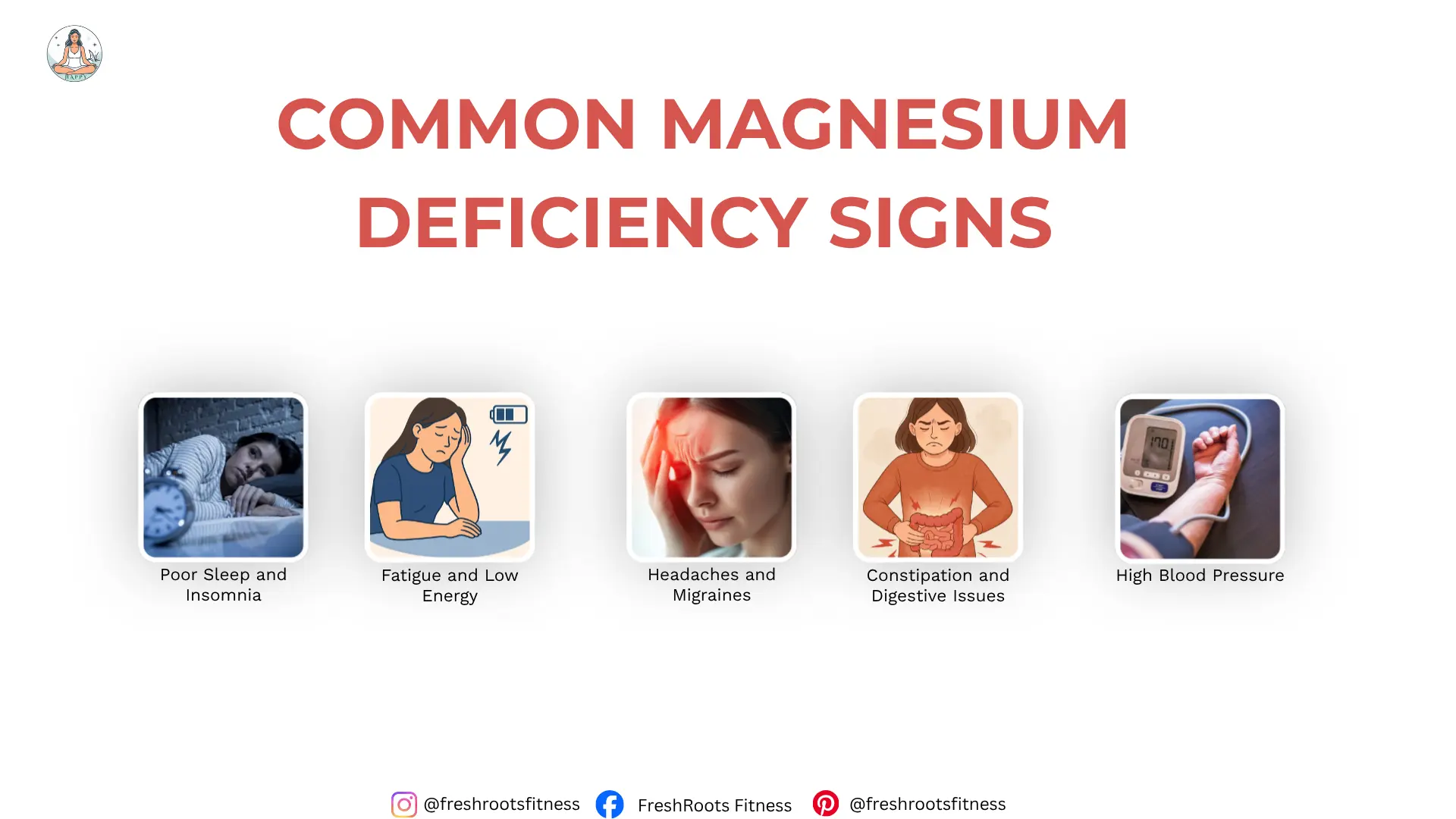
Poor Sleep and Insomnia
If you lie awake longer than you should, wake up frequently or never feel fully rested, no matter how many hours you clock, magnesium deficiency could be a significant contributing factor.
Magnesium activates the parasympathetic nervous system, the system responsible for calming the body and preparing it for rest. It also regulates melatonin, the hormone that controls sleep-wake cycles and binds to GABA receptors in the brain, which promote relaxation and reduce neural excitability.
Studies indicate that low magnesium levels are associated with poor sleep quality and increased nighttime arousal. Many people report a noticeable improvement in sleep depth and ease of falling asleep after addressing their magnesium intake.
Anxiety and Mood Disturbances
Feeling anxious, on edge or emotionally reactive without a clear external cause? Magnesium has a profound effect on the nervous system and its deficiency is closely linked to increased anxiety and stress sensitivity.
When magnesium is low, the nervous system becomes more excitable, meaning it reacts more strongly and more quickly to stimuli. This heightened nervous system activity can manifest as generalized anxiety, irritability, mood swings and even panic-like responses to everyday stressors.
Research suggests that magnesium helps regulate the HPA axis, the body’s central stress response system and that low levels make the stress response harder to switch off. Many people living in a state of chronic low-level anxiety are never told that nutritional factors, including magnesium, might be playing a role.
Fatigue and Low Energy
Persistent tiredness that doesn’t resolve with rest is one of the subtler but very common magnesium deficiency signs. Magnesium is directly involved in the production of ATP, the molecule your body uses to power every cellular process. Without enough magnesium, energy production at the cellular level is compromised.
This isn’t the tiredness that comes from a late night. It’s a deeper, more chronic fatigue, the kind where even after adequate sleep and a relatively calm day, you still feel like you’re running at 70% capacity. Some users notice difficulty sustaining mental focus and a sense of physical heaviness that they can’t quite explain.
Headaches and Migraines
Magnesium plays a role in regulating blood vessel tone and neurotransmitter release, two factors closely involved in the development of headaches and migraines. Research suggests that people who experience frequent migraines tend to have measurably lower magnesium levels than those who don’t.
Low magnesium can trigger cortical spreading depression, a wave of electrical activity in the brain associated with migraine aura and can increase sensitivity to the triggers that set migraines off. Magnesium supplementation is actually used clinically in some settings as part of migraine prevention protocols.
If you deal with recurrent headaches or migraines and haven’t explored magnesium, it’s worth raising with your healthcare provider.
Irregular Heartbeat (Heart Palpitations)
Magnesium is essential for maintaining the electrical stability of heart muscle cells. It regulates the movement of potassium and calcium in and out of cardiac cells, the process that controls the heart’s rhythmic contractions.
When magnesium is low, this electrical balance can be disrupted, leading to palpitations, a fluttering, skipping or pounding sensation in the chest. Experts believe that mild hypomagnesemia (low serum magnesium) is an underappreciated contributor to benign arrhythmias in otherwise healthy adults.
Any persistent or severe palpitations should always be evaluated medically, but mild and occasional fluttering alongside other magnesium deficiency signs is a pattern worth discussing with your doctor.
Constipation and Digestive Issues
Magnesium helps draw water into the intestines and supports the muscular contractions that move food through the digestive tract. When levels are low, the gut can become sluggish, resulting in constipation, bloating and irregular bowel movements.
This connection is so well established that magnesium-based supplements like magnesium citrate and magnesium oxide are commonly used as gentle, osmotic laxatives. Many people report significant improvement in digestive regularity when they increase their dietary magnesium intake.
Bone Weakness and Low Vitamin D Effectiveness
Most people focus on calcium when they think about bone health, but magnesium is equally essential. Roughly 60% of the body’s magnesium is stored in the bones and it’s involved in converting vitamin D into its active form, regulating calcium transport and stimulating the hormones that build bone tissue.
Studies indicate that inadequate magnesium is associated with lower bone mineral density and increased fracture risk even in people who are taking calcium and vitamin D supplements. If your vitamin D levels aren’t improving despite supplementation, low magnesium could be blocking the activation process.
Numbness and Tingling
Persistent numbness, tingling or a “crawling” sensation in the hands, feet or face can be a neurological sign of magnesium deficiency. Magnesium is critical for proper nerve signal transmission and when levels fall, nerve function becomes disrupted.
These sensations are sometimes mistaken for circulation problems or B12 deficiency and while those causes should absolutely be ruled out, low magnesium is a frequently overlooked contributor to peripheral neuropathy-like symptoms, especially when other deficiency signs are also present.
High Blood Pressure
Magnesium acts as a natural calcium channel blocker, it helps relax and dilate blood vessel walls, which directly reduces blood pressure. When magnesium is chronically low, blood vessels are more likely to remain constricted and blood pressure rises as a result.
Research suggests a meaningful association between low dietary magnesium intake and elevated blood pressure. For people with borderline or mildly elevated blood pressure, increasing magnesium intake through diet is often one of the first lifestyle recommendations.
What Causes Magnesium Deficiency?
Understanding why magnesium levels drop helps you address the root cause rather than just the symptoms.
Poor Dietary Intake
The most common cause. Modern diets tend to be high in processed and refined foods, which are stripped of most naturally occurring magnesium. Even people who eat relatively well often fall short because magnesium-rich foods, such as dark leafy greens, nuts, seeds, legumes and whole grains, are underrepresented in typical daily meals.
Soil Depletion
Here’s something most people never think about the magnesium content of plant foods has declined significantly over the past several decades due to intensive farming practices that deplete soil mineral content. This means that even people eating fruits and vegetables regularly may be getting less magnesium from those foods than previous generations did.
Digestive Disorders
Conditions that affect nutrient absorption, like Crohn’s disease, celiac disease and irritable bowel syndrome, can significantly impair magnesium absorption in the gut, even when dietary intake is adequate.
Excess Sugar, Alcohol and Caffeine
All three increase magnesium excretion through the kidneys. A diet high in refined sugar and regular alcohol or caffeine consumption creates a steady outflow of magnesium from the body that dietary intake often can’t keep pace with.
Chronic Stress
Stress hormones, particularly cortisol and adrenaline, promote magnesium excretion. Chronic stress creates a vicious cycle. Low magnesium makes the stress response more intense and a more intense stress response depletes magnesium further.
Certain Medications
Proton pump inhibitors (used for acid reflux), diuretics, antibiotics and some diabetes medications are known to reduce magnesium absorption or increase its excretion. People on long-term medication regimens are at notably higher risk of deficiency.
Type 2 Diabetes
High blood sugar increases urinary magnesium loss. Studies indicate that people with type 2 diabetes are significantly more likely to have low magnesium levels and that the deficiency in turn worsens insulin resistance, creating another self-reinforcing loop.
How to Restore Magnesium Levels Naturally
The good news for most people, magnesium levels are very responsive to dietary and lifestyle changes.
Eat More Magnesium-Rich Foods
The most sustainable way to address the deficiency is through food first. The richest dietary sources of magnesium include:
- Dark leafy greens: Spinach, Swiss chard and kale. Spinach, in particular is one of the highest sources per serving.
- Nuts and seeds: Pumpkin seeds, almonds, cashews and sunflower seeds. A small handful delivers a meaningful dose.
- Legumes: Black beans, lentils, chickpeas and edamame.
- Whole grains: Brown rice, quinoa, oats and whole wheat.
- Dark chocolate: A genuine source of 70%+ cocoa content provides a notable amount of magnesium per serving.
- Avocado: One medium avocado provides around 15% of the recommended daily intake.
- Bananas and figs: Among the better fruit sources.
Variety matters. Rotating through these food groups regularly gives your body a consistent magnesium supply.
Consider a Magnesium Supplement
When diet alone isn’t enough or during periods of high stress, illness or recovery, supplementation can be effective. Different forms of magnesium have different absorption rates and uses:
- Magnesium glycinate: Highly bioavailable, gentle on the stomach and particularly well-suited for sleep and anxiety support.
- Magnesium citrate: Good absorption, commonly used for digestive regularity.
- Magnesium malate: Often recommended for energy and muscle fatigue.
- Magnesium oxide: Lower absorption rate, more effective as a laxative than for raising blood levels.
Always consult a healthcare provider before starting supplementation, particularly if you have kidney issues or are on medications.
Reduce What Depletes It
Cutting back on refined sugar and alcohol, moderating caffeine and actively managing chronic stress all reduce the rate at which magnesium leaves the body. These changes compound the benefit of increasing intake.
Transdermal Magnesium
Some people find benefit in Epsom salt baths (magnesium sulfate) or topical magnesium oil applied to the skin. While the research on transdermal absorption is still developing, many users report reduced muscle tension and improved sleep when using these methods regularly.
Lifestyle Habits That Support Healthy Magnesium Levels
Making magnesium-supportive habits part of your daily routine is the most reliable long-term strategy.
- Cooking with magnesium-rich ingredients daily, adding spinach, beans or seeds to meals, doesn’t require a complete dietary overhaul.
- Swap refined grains for whole grains, a simple swap that meaningfully increases magnesium intake over time.
- Manage stress consistently with yoga, meditation, time in nature, adequate sleep, and anything that reduces cortisol and preserves magnesium.
- Limit carbonated soft drinks, phosphoric acid found in many sodas, interferes with magnesium absorption.
- Stay hydrated, adequate fluid intake supports the kidney’s efficient handling of electrolytes, including magnesium.
- Get regular blood panels, ask your doctor to include magnesium and ideally red blood cell (RBC) magnesium levels, which are more accurate than standard serum testing.
When Should You See a Doctor?
Many mild cases of low magnesium respond well to dietary changes. But certain situations warrant professional evaluation:
- Frequent or severe muscle cramps that aren’t improving.
- Persistent heart palpitations or irregular heartbeat.
- Chronic insomnia that doesn’t respond to sleep hygiene improvements.
- Ongoing anxiety or mood disturbances without a clear psychological cause.
- Numbness and tingling in multiple areas of the body.
- Blood pressure that remains elevated despite lifestyle changes.
- If you have diabetes, kidney disease or a chronic digestive disorder.
Your doctor can order a serum magnesium test as a starting point. For a more accurate picture, request an RBC magnesium test, which measures magnesium stored within red blood cells rather than the small amount circulating in the blood, giving a far more meaningful assessment of your actual magnesium status.
How Long Does It Take to Restore Magnesium Levels?
Recovery time depends on how depleted your levels are and how consistently you address the cause.
- Dietary changes alone: Many people notice improvements in sleep and muscle cramps within 2-4 weeks of consistently eating more magnesium-rich foods.
- Supplementation: Measurable increases in blood levels can occur within 4-8 weeks of consistent supplementation
- Full tissue replenishment: Since most magnesium is stored in bones and soft tissue, full restoration can take 3-6 months of consistent effort.
Patience and consistency are key. It’s also important not to stop once you start feeling better, continue the habits that got you there to prevent levels from dropping again.
Conclusion
Magnesium doesn’t make headlines the way iron or vitamin D does. It doesn’t have an obvious deficiency disease named after it. And it doesn’t show up in most standard blood tests unless you specifically ask. Yet it sits quietly at the center of hundreds of processes that determine how you feel every single day.
The magnesium deficiency signs covered in this guide, the cramps, the poor sleep, the anxiety, the fatigue, the headaches, are so common that they’ve become normalized. People accept them as inevitable parts of modern life. But they don’t have to be.
According to Healthline- Low Magnesium
Start with your food. Add some dark leafy greens, a handful of pumpkin seeds and a serving of black beans. Manage your stress. Cut back on the things that flush it out of your system. These are small changes, but they speak directly to what your body has been quietly asking for.
Give your cells the mineral they need. The difference it makes might surprise you.
FAQs
-
How much magnesium do adults need per day?
General guidelines recommend 310-420 mg daily for adults, varying by age and sex. Most people fall significantly short of this through diet alone, especially those eating primarily processed or refined foods.
-
What foods are highest in magnesium?
Pumpkin seeds, spinach, black beans, almonds, dark chocolate, quinoa and avocado are among the richest dietary sources. Eating a variety of these regularly is the most reliable way to maintain healthy magnesium levels naturally.
-
Is a blood test accurate for detecting magnesium deficiency signs?
Standard serum magnesium tests only reflect 1% of body stores and can appear normal even when a deficiency exists. An RBC magnesium test is more accurate and provides a better picture of your true magnesium status.
-
Can you get too much magnesium from food?
Excess magnesium from food is rare, healthy kidneys excrete what isn’t needed. However, very high doses from supplements can cause diarrhea, nausea and in rare cases, more serious effects. Always follow dosage guidance when supplementing.
-
What are the most common magnesium deficiency signs in adults?
The most common signs include muscle cramps, poor sleep, anxiety, persistent fatigue, frequent headaches, heart palpitations, constipation and tingling in the hands or feet. Many people experience several of these simultaneously without realizing the connection.
-
Can low magnesium cause anxiety and poor sleep?
Yes. Magnesium regulates the nervous system and GABA receptors that calm brain activity. Low levels increase neural excitability, making anxiety and restless, shallow sleep significantly more likely in affected adults.

- How to Reduce Cholesterol Naturally With Simple Food Habits - July 4, 2026
- Early Signs of High Blood Sugar Most People Miss Daily - June 25, 2026
- How to Boost Immunity Naturally: Simple Daily Habits - June 23, 2026